
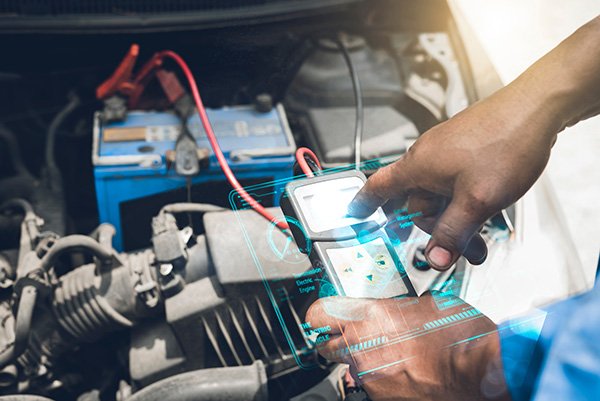
Modern vehicles are more technologically advanced than ever before. Today’s cars rely on complex electrical systems to control nearly every aspect of vehicle operation, from engine management and fuel delivery to safety systems, climate control, infotainment, and electronic driver assistance features. While these advancements improve convenience, performance, and efficiency, they have also made electrical problems significantly more difficult to diagnose and repair.
Years ago, many automotive issues were mechanical and easier to isolate visually. Modern vehicles, however, depend heavily on sensors, wiring networks, modules, relays, and computer-controlled systems all communicating constantly. A single electrical fault can sometimes trigger multiple unrelated symptoms, making troubleshooting far more complicated than many drivers realize.
Electrical issues also tend to develop gradually. Small wiring damage, loose connections, failing switches, or deteriorating insulation may not create immediate breakdowns. Instead, intermittent problems often appear first, causing occasional warning lights, random starting issues, or inconsistent electrical behavior that becomes harder to track over time.
The challenge is that many drivers ignore smaller electrical symptoms until larger failures occur. Flickering lights, intermittent power loss, random dashboard warnings, or accessories malfunctioning occasionally may seem minor initially, but these issues can quickly spread throughout connected systems if left unresolved.
As modern vehicles continue integrating more advanced technology, understanding common electrical failures has become increasingly important for both preventative maintenance and long-term vehicle reliability.
The Wiring Components That Often Fail First
One of the most common causes of automotive electrical issues is damaged wiring. Vehicle wiring systems operate in harsh conditions involving heat, vibration, moisture, and constant movement. Over time, insulation can crack, wires may become exposed, and electrical resistance can increase throughout the system.
Protective components such as wire loom help shield wiring harnesses from heat, abrasion, and physical damage. Without proper protection, exposed wiring can eventually short out, corrode, or create intermittent electrical failures throughout the vehicle.
Engine compartments are especially hard on electrical systems because of constant heat cycles and vibration. Wiring routed near exhaust systems, moving components, or sharp metal edges is particularly vulnerable to wear over time.
Corrosion is another major issue affecting electrical reliability. Moisture intrusion can gradually damage connectors, terminals, and grounding points, leading to weak electrical connections or inconsistent communication between vehicle systems.
Power distribution components also commonly fail. A fusible link acts as a protective safety device designed to prevent excessive electrical current from damaging major wiring circuits. If a fusible link becomes damaged or overloaded, certain vehicle systems may suddenly lose power or stop functioning entirely.
Battery connections are another overlooked source of electrical problems. Loose terminals, corrosion buildup, or weak grounds can create voltage drops that affect starting systems, charging systems, and electronic control modules.
Ignition system components also experience wear over time. The ignition lock cylinder plays an important role in allowing the vehicle to start and communicate properly with the ignition system. Worn ignition components may eventually create intermittent starting problems or accessory power issues.
Modern vehicles also rely heavily on communication networks between modules. If one damaged wire or poor connection disrupts communication, multiple systems may display warning lights or behave unpredictably even though the root issue is relatively small.
Another challenge is that electrical problems are not always constant. Heat expansion, vibration, or humidity changes may cause symptoms to appear and disappear intermittently, making diagnosis far more difficult.
Small electrical failures often begin with wiring deterioration or weak connections long before major system failures occur. Catching these issues early can help prevent much larger and more expensive repairs later.
How Small Electrical Issues Become Bigger Repairs
Electrical problems rarely stay isolated for long in modern vehicles. Because today’s automotive systems are interconnected, a single failing component can eventually affect multiple systems if not repaired quickly.
One common example is poor grounding. Weak or corroded ground connections can create unstable voltage throughout the vehicle, causing sensors, modules, lighting systems, and starting systems to behave unpredictably. Drivers may initially experience only occasional symptoms, but over time these issues often become more severe.
Voltage fluctuations can also damage sensitive electronic components. Modern vehicles contain multiple control modules that depend on stable electrical signals to operate correctly. Repeated electrical interruptions may eventually shorten the lifespan of expensive electronic systems.
Small wiring damage can spread as well. Exposed wiring may create short circuits, melted insulation, or increased electrical resistance that affects surrounding circuits. Left unresolved, small damaged sections can eventually require much larger wiring repairs later.
Intermittent starting problems are another common example. A weak ignition connection or failing electrical component may initially create occasional starting hesitation. However, continued wear often leads to complete no-start conditions if ignored too long.
Electrical problems also affect vehicle reliability and safety systems. Modern braking systems, airbags, traction control systems, and steering assist features all rely heavily on stable electrical communication. Minor electrical faults can sometimes interfere with these systems unexpectedly.
Another reason electrical issues become expensive is diagnostic complexity. Smaller problems are usually easier to isolate early. Once multiple systems become affected, diagnosis often becomes far more time-consuming and labor-intensive.
Battery and charging system strain also increase when electrical faults exist. Poor wiring connections or excessive resistance can force alternators and batteries to work harder, eventually reducing the lifespan of charging components.
Preventative inspections help identify many electrical issues before they spread. Checking wiring harnesses, connectors, battery terminals, and protective coverings regularly can help drivers catch small problems before larger failures occur.
Drivers should also avoid ignoring warning lights or intermittent electrical symptoms simply because the vehicle still seems drivable. Many electrical problems worsen gradually until complete failure eventually occurs.
Modern vehicles depend more heavily on electronics than ever before, making electrical system health a critical part of long-term reliability and performance.
Conclusion
Electrical problems in modern vehicles are becoming increasingly difficult to diagnose because today’s cars rely on highly interconnected wiring systems, sensors, modules, and electronic controls.
Small issues such as damaged wiring, weak connections, worn ignition components, or failing protective circuits often begin gradually before spreading into larger system failures over time. Components such as wire loom, fusible links, and ignition system hardware all play important roles in maintaining electrical stability and reliability.
At the same time, modern vehicles depend heavily on consistent electrical communication to support engine performance, safety systems, and overall drivability.
Drivers who address electrical warning signs early often prevent much larger repairs while improving long-term vehicle reliability and reducing the risk of unexpected breakdowns later on.
