
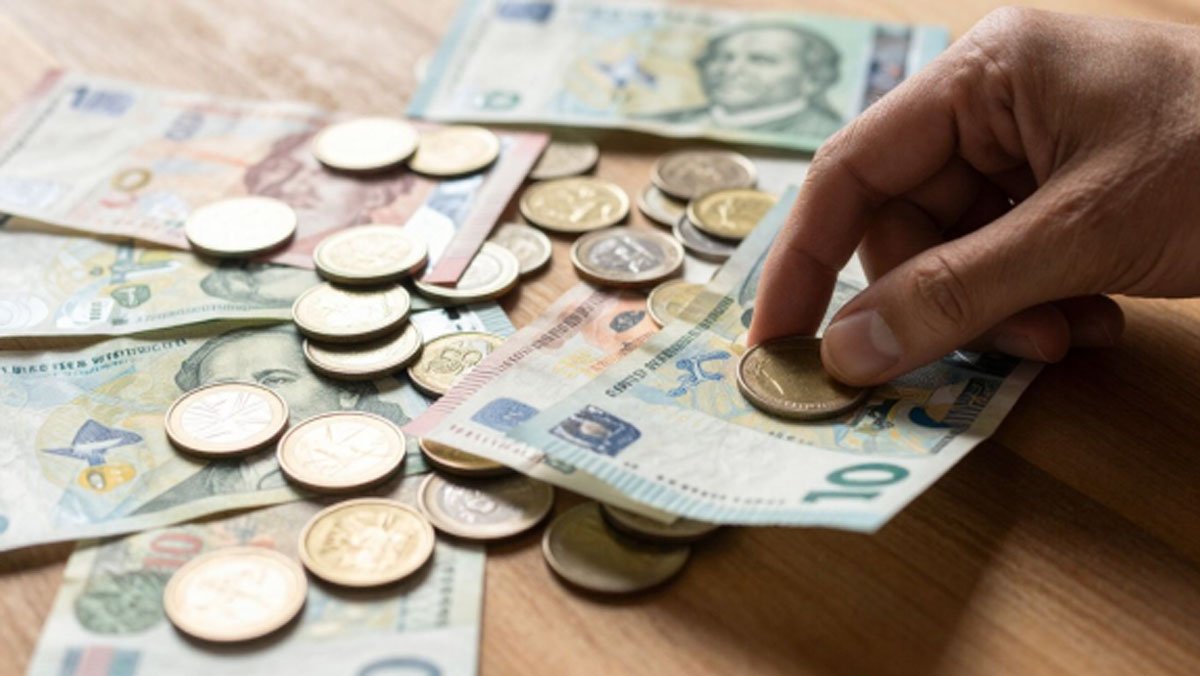
What Are Exchange Rates?
An exchange rate is basically the price of one currency when you measure it against another. Think of it like this: it tells you how much of currency B you can get for one unit of currency A. This is why you always see exchange rates listed as pairs, like EUR/USD or GBP/JPY. For example, if the rate for USD/CAD is 1.35, it means you get 1.35 Canadian dollars for every 1 US dollar you exchange. It’s a simple concept, but it makes a big difference in how much money you actually end up with.
These rates aren’t static; they move all the time. The value of a currency goes up or down based on how much people want it compared to other currencies. This demand can be driven by many things, like wanting to buy goods and services in another country or seeing a currency as a good investment. The foreign exchange (FX) market is where all this trading happens, 24/7, across the globe.
The exchange rate dictates how much foreign currency you receive for your home currency. This is a key point for anyone planning international travel or business. Understanding this basic relationship is the first step to managing your money effectively when dealing with different currencies. It’s the foundation for all foreign exchange transactions.
How Exchange Rates Work
Exchange rates work through supply and demand in the foreign exchange market. When a currency is in high demand, its value tends to rise against other currencies. Conversely, if demand falls, the value typically drops. This market is huge and operates around the clock, with banks, businesses, and investors constantly trading currencies.
Several factors influence these supply and demand dynamics. Economic data, like a country’s GDP or unemployment figures, can signal its economic health and affect currency demand. Central bank decisions, such as changes in interest rates, also play a significant role. For instance, a country raising its interest rates might attract foreign investment, increasing demand for its currency.
Market expectations are a powerful force. Even if economic data is stable, if traders expect a currency to strengthen or weaken, they will act on those expectations, influencing the exchange rate. This sentiment can sometimes cause more significant shifts than the underlying economic news itself.
The Role Of Currency Pairs
Currency pairs are the standard way exchange rates are quoted. They show the value of one currency in relation to another. The most common format is listing the base currency first, followed by the quote currency. For example, in the pair EUR/USD, the Euro is the base currency and the US Dollar is the quote currency.
If the EUR/USD exchange rate is 1.10, it means that one Euro can buy 1.10 US Dollars. This tells you how much of the second currency (the quote currency) you get for one unit of the first currency (the base currency). It’s a direct comparison that helps traders and travelers understand the relative value between two specific currencies at any given moment.
Understanding currency pairs is vital because it’s how all foreign exchange transactions are priced. Whether you’re buying Euros for a trip to Italy or selling Japanese Yen after a visit to Tokyo, you’ll be dealing with a specific currency pair. The rate for that pair directly impacts how much money you receive or pay. For example, if you’re converting USD to JPY, you’ll look at the USD/JPY rate to see how many Japanese Yen you’ll get for your US Dollars.
Why Exchange Rates Matter For Your Travel Needs
Impact On Holiday Budgets
When planning a vacation abroad, the exchange rate can significantly alter your spending power. A stronger home currency means your money goes further, allowing for more activities, better accommodation, or simply more souvenirs. Conversely, a weaker currency can quickly eat into your budget, making everyday expenses feel much pricier than anticipated. Understanding how exchange rates affect your travel budget is key to a stress-free trip.
For example, if you’re traveling to Europe and your home currency is the US dollar, a rate of 1 EUR = 1.10 USD means you get $1.10 for every euro you spend. If that rate shifts to 1 EUR = 1.05 USD, your dollars are suddenly worth less, and your European holiday becomes more expensive. This fluctuation in exchange rates directly impacts how much you can afford to do and buy.
It’s not just about the big purchases either. Even small things like coffee, local transport, or snacks add up. Being aware of the current exchange rate and how it might change can help you set a realistic budget and avoid unwelcome surprises during your travels. This makes planning your holiday finances much more straightforward.
Funding International Education
For students pursuing education overseas, exchange rates play a critical role in managing tuition fees and living expenses. Fluctuations can mean the difference between comfortably affording your studies and facing unexpected financial strain. The cost of international education is directly tied to the value of the currency you’re paying in versus the currency you’re earning or saving in.
Imagine a student paying tuition in British Pounds (GBP) while their family earns income in US Dollars (USD). If the USD weakens against the GBP, the cost of tuition effectively increases for the family. This means they might need to allocate more of their savings or income to meet the fee requirements. The exchange rate is a constant factor in this financial equation.
Careful monitoring of currency markets and strategic timing of payments can help mitigate these risks. Some institutions might even offer options to pay in your home currency, though this often comes with its own set of fees or less favorable rates. Planning ahead and understanding the potential impact of exchange rate movements is vital for any student or family funding international studies.
Preparing For Overseas Retirement
Retiring abroad offers many attractions, but it also introduces complexities related to currency exchange. If your retirement savings are in one currency and your living expenses will be in another, the exchange rate becomes a daily concern. A favorable rate can stretch your retirement funds further, while an unfavorable one can quickly deplete savings.
Consider someone retiring in a country with a strong currency, while their pension and savings are held in a weaker one. Each month, when they convert their savings to pay for living costs, they will receive less of the local currency. This can lead to a reduced standard of living or the need to dip into savings more quickly than planned. The exchange rate directly affects the purchasing power of their retirement income.
It’s wise for prospective retirees to research the historical performance of relevant exchange rates and consider strategies for managing currency risk. This might include diversifying savings across currencies, using financial products designed to hedge against currency fluctuations, or choosing a retirement destination with a more stable or favorable currency alignment with their savings. Proactive planning is key to a secure retirement abroad.
Factors Influencing Travel Rates
Interest Rates And Inflation
Interest rates and inflation are big players in how currency values move. When a country’s central bank decides to raise interest rates, it generally makes that country’s currency more appealing. Think of it like a savings account – higher rates mean a better return on your money. This increased demand can push the currency’s value up. On the flip side, high inflation can really hurt a currency. It means your money buys less over time, and this erosion of value often makes investors nervous, leading them to sell, which drives the currency down. Keeping inflation in check is key for a stable exchange rate.
It’s a bit of a balancing act. If one country has much higher interest rates than another, money tends to flow there, increasing demand for its currency. But if that same country also has sky-high inflation, the benefit of higher rates might be wiped out by the loss of purchasing power. So, while interest rates can attract investment, persistent inflation can scare it away. This dynamic is constantly at play, influencing the exchange rate you see when you’re planning your trip.
For travelers, this means keeping an eye on economic news from your destination. A sudden change in interest rate policy or a spike in inflation could mean your travel money buys more or less than you expected. It’s not just about the numbers; it’s about how those numbers affect the real value of your holiday budget.
Economic Growth And Stability
A country’s economic health and how stable it is politically really matter for its currency. When an economy is growing steadily and looks stable, it tends to attract foreign investment. People and companies want to put their money where they see good opportunities and safety. This influx of investment means more demand for the local currency, which can strengthen its value. It’s a positive feedback loop: good economy attracts money, more money strengthens the currency.
Conversely, if a country is facing economic slowdowns, recessions, or political uncertainty, investors often get spooked. They might pull their money out and move it to safer places. This selling pressure can cause the currency to weaken significantly. Think about it – would you invest your savings in a place that seems unstable? Probably not. This is why economic growth and stability are so important for currency values.
For anyone buying foreign currency, understanding the economic outlook of the destination country is smart. A country with a strong, stable economy is generally a safer bet for your money, and its currency is less likely to experience wild swings that could impact your travel budget unexpectedly.
Trade Balances And Government Debt
How much a country buys from and sells to other countries, known as its trade balance, has a direct impact on its currency. When a country exports more than it imports, foreigners need to buy that country’s currency to pay for its goods. This consistent demand helps keep the currency strong. It’s like a steady stream of buyers in a marketplace.
On the other hand, if a country imports much more than it exports, it has to sell its own currency to buy foreign currencies to pay for those imports. This can put downward pressure on its currency. Persistent trade deficits can signal underlying economic issues that investors might worry about. Also, a country’s government debt levels are watched closely. High or rapidly increasing debt can make investors nervous about the government’s ability to manage its finances, potentially leading to inflation or default fears. This can weaken the currency as investors seek more secure places for their money.
These factors, trade balances and government debt, are key indicators that currency traders and investors watch. They help shape expectations about a currency’s future strength. For travelers, a country with a healthy trade surplus and manageable debt might offer a more predictable exchange rate, making financial planning for a trip a bit easier.
Navigating The Travel Market
Market Expectations And Sentiment
Exchange rates don’t just change based on what’s happening right now. A lot of it comes down to what people think will happen. If traders expect a country’s economy to do well, its currency might get stronger even before any good news actually shows up. This is all about market expectations. It’s like betting on a horse based on its past performance and the jockey’s reputation.
This anticipation can cause rates to move quite a bit. For example, if a central bank hints at raising interest rates soon, the currency might climb in value. Conversely, if there’s worry about political instability, the currency could weaken. Understanding these market expectations is key to getting a better deal when you exchange money for your travels.
It’s a bit like a guessing game, but with real money involved. The collective mood, or sentiment, of traders and investors plays a huge role. This sentiment can shift quickly based on news, rumors, or even just general feelings about the global economy. Keeping an eye on this sentiment can help you make smarter decisions about when and where to exchange your currency.
Global Risk Appetite
Think about how people feel about taking risks. When things seem stable and the economy is doing well globally, people are usually more willing to invest in currencies that offer higher returns, even if they’re a bit riskier. This is what we call ‘risk appetite’. During these times, currencies from developing economies might become more popular.
However, when there’s uncertainty – maybe a big political event or an economic downturn – people tend to get nervous. They pull their money out of riskier assets and put it into what they see as ‘safe havens’. Currencies like the US dollar or Swiss franc often do well during these periods of low risk appetite. This shift directly impacts the exchange rates you’ll see.
So, when you’re planning your travel currency exchange, consider the global mood. Is the world feeling confident and ready to invest, or is it a bit scared and looking for safety? This ‘global risk appetite’ can significantly influence which currencies are strong and which are weak at any given moment, affecting how much foreign currency you get for your money.
Central Bank Communication
What central banks say can be just as important as what they actually do. When the heads of major central banks, like the Federal Reserve or the European Central Bank, give speeches or release statements, the financial markets listen very closely. They’re looking for clues about future interest rate changes or other economic policies.
These communications, often called ‘forward guidance’, can move exchange rates before any official policy change even happens. If a central bank governor sounds hawkish, suggesting they might raise interest rates to fight inflation, their currency could strengthen. If they sound dovish, hinting at lower rates to stimulate the economy, the currency might weaken.
Paying attention to central bank communication is a smart move for anyone dealing with foreign exchange. It’s a way to get ahead of the curve and understand potential shifts in currency values. This insight can help you decide the best time to exchange your money, potentially saving you money on your travel expenses. The FX market reacts strongly to these signals.
Managing Your Currency Exchange For Travel
When To Exchange Your Money
Exchange rates are always on the move. They change daily, sometimes even by the hour. Because of this, keeping an eye on the market before you travel can really help. If you need a specific amount of foreign currency, watching the trends might let you snag a better rate. It’s not about predicting the future, but about being aware of the present.
Timing your currency exchange can make a noticeable difference to your travel budget. Waiting for a favorable shift, even a small one, can mean more spending money in your pocket. This is especially true if you’re dealing with larger sums for extended trips or family vacations. Don’t just exchange money the day before you leave; give yourself some time to observe.
Think about your travel dates and how much currency you’ll need. If you have flexibility, you can afford to wait for a better exchange rate. If your travel is fixed, then understanding the current rate is your best bet. It’s a balancing act between need and opportunity.
Understanding Bid, Ask, And Midmarket Rates
When you look at currency exchange, you’ll often see three types of rates: the midmarket, the bid, and the ask. The midmarket rate is pretty much the midpoint between the bid and ask prices. It’s what you see on Google or in financial news, and it’s a good baseline.
However, you rarely get the midmarket rate when you actually exchange money. The bid rate is what a buyer is willing to pay for a currency, and the ask rate is what a seller is willing to accept. The difference between these two is called the spread. This spread is how currency providers make their money.
So, when you’re exchanging money, you’ll be selling your home currency at the bid rate (which is lower) and buying the foreign currency at the ask rate (which is higher). Understanding this difference helps you see why the rate you get might not match the one you saw online. It’s a key part of managing your travel exchange rate.
The Impact Of Spreads On Your Exchange
Spreads are a big deal when you’re exchanging currency for travel. They’re the difference between the buying and selling prices of a currency pair, and they directly affect how much foreign money you end up with. A wider spread means you’re paying more for the currency you want.
Imagine you need to exchange $1,000. If the spread is wide, the provider takes a larger cut, leaving you with less foreign currency. Over time, and especially with larger amounts, these seemingly small differences add up. It’s like a hidden fee that eats into your budget.
Always check the spread. A provider might advertise ‘no commission,’ but their spread could be so wide that it costs you more than a competitor with a small commission and a tighter spread. This is where smart money management comes into play for your travel funds.
Practical Considerations For Travel
Fees and Charges for Exchange
When you exchange money, there are often fees involved. These can be flat charges or a percentage of the amount you’re exchanging. It’s important to know these costs upfront. Some places might advertise a good exchange rate, but then add hefty fees that eat into your savings. Always ask about the total cost before you commit to an exchange. This applies whether you’re getting cash at a physical bureau or using a card abroad.
Banks and currency exchange kiosks often have different fee structures. Sometimes, using an ATM in a foreign country can also incur charges from both your bank and the local ATM operator. Understanding these fees is key to managing your travel money effectively. Don’t let hidden charges surprise you when you need your funds the most.
Utilizing FX Limit Orders
An FX limit order is a tool that lets you set a specific exchange rate you want to achieve. You place the order, and it only executes when the market reaches your desired rate. This can be really useful if you’re planning a trip far in advance and want to lock in a favorable exchange rate. It takes the guesswork out of trying to time the market perfectly.
This method is particularly helpful for larger sums, like paying for international education or a significant overseas purchase. It protects you from adverse rate movements. You can monitor the market and set your target, letting the order do the work for you. It’s a smart way to manage currency exchange for specific financial goals.
Choosing the Right Currency Provider
Selecting the right place to exchange your currency can make a big difference. Compare rates and fees from different providers, including banks, online services, and airport kiosks. Airport exchanges often have the worst rates and highest fees, so try to avoid them if possible. Look for providers that offer competitive exchange rates and transparent fee structures. For travelers comparing options before they exchange money, Travel FX provides online travel money services alongside currency buybacks, international transfers, and Rate Watch alerts to help them track a target exchange rate.
Consider convenience too. Do you need cash immediately, or can you order it online for pickup? Some providers specialize in travel money and might offer better deals. Always do a quick comparison before you exchange your money. A little research can save you a noticeable amount on your travel budget.
Conclusion
Exchange rates might seem like a small detail, but they really do matter when you’re dealing with money across borders. Whether you’re planning a vacation, sending kids to school abroad, or thinking about retirement in another country, keeping an eye on the exchange rate can save you money. It’s not just about the big economic news; even small fees or the timing of your exchange can add up. By understanding how these rates work and what affects them, you can make smarter decisions about your Travel, making your international plans a little smoother and your money go a bit further.
