

A Practical Guide to PCB Assembly for UK Electronics Projects

The Crucial Role of Circuit Assembly Circuit assembly is where your electronic design truly comes to life. It's the process of attaching all the necessary components to the bare printed circuit board (PCB). This step is absolutely vital; without proper circuit assembly, your board is just a piece of plastic with copper traces. Think of it as the heart of your electronic device, where all the individual parts are connected to work together. Getting this part right means your product will function as intended, reliably and for a long time. Mistakes here, however, can lead to products that don't work, fail prematurely, or require costly rework. The quality of the assembly directly impacts the final product's performance and your company's reputation. It's a stage that demands precision and attention to detail. What Constitutes PCB Assembly? PCB assembly, often shortened to PCBA, involves placing and soldering components onto a printed circuit board. This includes everything from tiny surface-mount resistors and capacitors to larger through-hole connectors and integrated circuits. The process uses specialized equipment and techniques to ensure each component is correctly positioned and securely attached. This isn't just about sticking parts on; it's a carefully controlled process. It involves steps like applying solder paste, placing components using automated pick-and-place machines, and then soldering them using reflow ovens or wave soldering machines. After assembly, inspection and testing are performed to verify everything is working correctly. This entire sequence is what constitutes PCB assembly. Significance of Assembly Strategy Having a clear assembly strategy from the outset is incredibly important for any electronics project. It's the plan that guides how your PCBs will be manufactured and assembled, influencing everything from component choice to the final testing procedures. A well-thought-out strategy can prevent production headaches down the line. This strategy considers factors like the volume of production needed, the complexity of the board, and the budget. It also dictates choices about assembly methods, such as surface mount versus through-hole, and the types of quality checks that will be implemented. A good assembly strategy helps ensure your project stays on track, within budget, and meets quality expectations. A solid PCB assembly strategy is the blueprint for turning your electronic design into a functional, reliable product efficiently and cost-effectively. It's about making smart choices early to avoid problems later. Key Considerations for UK PCB Assembly Design for Manufacture (DFM) Importance Getting your design right from the start is a big deal. It's called Design for Manufacture, or DFM. This isn't just about making the board look good; it's about making sure it can actually be built without a ton of problems. When a PCB is designed with DFM in mind, it usually means fewer mistakes during assembly, better yields, and getting your product out the door faster. It's a proactive step that saves headaches later. Think of it like building something with LEGOs. If the pieces don't fit together easily, you're going to struggle. DFM is about making sure all the 'LEGO bricks' of your PCB design are compatible with the assembly process. This means checking things like trace widths, component spacing, and drill hole sizes. A good DFM review can catch potential issues before they even hit the assembly line, saving time and money. Paying attention to DFM early on is a smart move for any electronics project. It helps avoid costly rework and ensures a smoother production run. It's a core part of a solid PCB assembly strategy, making sure the board can be produced reliably and at a controlled cost. This focus on manufacturability is key for success. Component Selection and Sourcing Choosing the right parts and knowing where to get them is pretty important. It affects not just the cost but also the reliability of your final product. You've got to think about availability, lead times, and whether the components will actually work well together on the board. Sometimes, a cheaper part might seem good, but if it's hard to get or causes issues, it's not a good deal. Sourcing components can be a bit of a maze. You'll want to work with suppliers you trust. For UK PCB assembly, it's often beneficial to use local distributors or manufacturers who can provide clear documentation and support. This can simplify things, especially if you need specific certifications or have questions about RoHS compliance. It's about building a reliable supply chain. The right components, sourced wisely, form the backbone of a dependable electronic device. Don't underestimate this step; it impacts everything from performance to your bottom line. Assembly Cost Influences Several things can push your PCB assembly costs up or down. The complexity of the board itself is a big one – more layers, smaller traces, and tiny components usually mean higher costs. The number of components on the board also plays a role, as does the type of assembly needed, like surface mount versus through-hole. Production volume is another major factor; making a lot of boards often brings the per-unit cost down. Beyond the board itself, things like the inspection methods you choose and any special testing required will add to the price. If you need things like conformal coating or potting for environmental protection, that's an extra cost too. Even how the boards are panelised and shipped can have a small impact. It's a mix of design choices and production requirements. Here's a quick look at some cost drivers: Board Complexity:Number of layers, trace width, spacing. Component Density:How many parts are on the board. Assembly Type:Surface Mount (SMT) vs. Through-Hole (THT). Production Volume:Higher quantities generally mean lower per-unit cost. Testing & Inspection:AOI, X-ray, functional testing. Special Processes:Conformal coating, potting, cleaning. Understanding these factors helps in budgeting and making informed decisions during the design and planning phases. It's all part of a good PCB assembly strategy. Advanced Assembly Techniques and Technologies Surface Mount vs. Through-Hole Assembly Choosing between Surface Mount Technology (SMT) and Through-Hole Technology (THT) is a foundational decision in PCB assembly. SMT places components directly onto the board's surface, allowing for smaller components and denser circuitry. This method is highly automated and cost-effective for mass production. THT, on the other hand, uses components with leads that are inserted through drilled holes and soldered on the opposite side. While generally more robust and suitable for high-stress applications or larger components, THT assembly is typically slower and more expensive. The trend leans heavily towards SMT for most modern electronics due to its efficiency and miniaturization capabilities. However, THT still holds its place for specific needs. A hybrid approach, combining both SMT and THT on the same board, is also common to leverage the strengths of each. Understanding the physical requirements and electrical performance needed for your project will guide this critical choice. Automated Optical Inspection (AOI) for Quality Automated Optical Inspection (AOI) is a cornerstone of modern PCB assembly quality control. These systems use cameras and advanced algorithms to scan assembled boards, identifying defects that might be missed by human inspectors. AOI can detect issues like solder bridging, missing components, incorrect component placement, and solder joint anomalies. Implementing AOI significantly reduces the likelihood of faulty products reaching the end-user. AOI systems work by comparing the inspected board against a known good reference image or design rules. The speed and accuracy of AOI make it indispensable for high-volume production, helping to catch errors early in the process. This proactive approach minimizes rework and scrap, contributing to overall cost savings and faster turnaround times. The effectiveness of AOI relies on proper setup and calibration. Soldering Methods and Fluxes Soldering is the process that creates the electrical and mechanical connection between components and the PCB. Several methods exist, each with its own advantages. Reflow soldering is standard for SMT components, where solder paste is applied to pads, components are placed, and the entire board is heated in an oven to melt the solder. Wave soldering is often used for THT components, where the bottom of the board passes over a wave of molten solder. Flux is a critical chemical agent used in soldering. Its primary role is to clean the metal surfaces by removing oxides, which prevents oxidation during the heating process. Flux also improves the wetting of the solder, allowing it to flow smoothly and form strong joints. Different types of fluxes exist, such as no-clean, water-soluble, and ROL0 (rosin-based, low-activity, no-wash), each suited to different assembly processes and cleaning requirements. Choosing the right soldering method and flux is vital for creating reliable solder joints. Soldering Method Primary Use Case Key Advantages Reflow Soldering SMT Components High throughput, precise control, suitable for fine-pitch components Wave Soldering THT Components Robust joints, cost-effective for high volume THT Selective Soldering Mixed Technology, specific THT joints Precise application, reduced thermal stress Hand Soldering Rework, prototypes Flexibility, accessibility for complex areas Ensuring Reliability and Durability Environmental Protection: Conformal Coating and Potting Electronics often face tough conditions. Moisture, dust, and chemicals can cause real problems, leading to shorts or corrosion. Conformal coating acts like a shield, forming a protective layer over the circuit board. This barrier helps keep out unwanted contaminants and moisture, which is key for long-term operation. The type of coating and how it's applied really matters for its effectiveness. For situations with more extreme stress, like heavy vibration or impacts, potting might be the better choice. This involves encasing the assembly in a solid compound. It adds mechanical strength and better seals against the environment. However, potting can affect heat dissipation and make repairs harder. Choosing between coating and potting depends heavily on the product's intended use and operating environment. Quality Assurance and Testing Processes Getting the assembly right is just the start. Quality assurance and testing are vital steps to make sure the product works as it should and keeps working. This isn't just about catching obvious mistakes; it's about finding hidden weaknesses that could cause trouble later. Inspection methods like Automated Optical Inspection (AOI) check for correct component placement and solder joint quality. Beyond visual checks, functional testing confirms the board performs its intended tasks. This might involve simulating real-world inputs and outputs. Thorough testing reduces the chance of field failures, saving costs and customer headaches down the line. Achieving Production Readiness Moving from a single prototype to mass production requires a solid plan for reliability. This means looking at the whole lifecycle of the product, not just the initial build. What happens when the product is out in the field? How will it hold up over time? Considering the operating environment early on helps make better design choices. This includes selecting appropriate materials and protection methods. A well-planned approach to reliability means fewer returns, less warranty work, and a better reputation for the product. It's about building a product that lasts. Choosing Your PCB Assembly Partner in the UK Benefits of UK-Based Manufacturing When you're looking for a PCB assembly partner, especially for projects in the UK, sticking with local manufacturers can simplify things. You avoid the headaches of international shipping, customs paperwork, and potential import VAT surprises. This means clearer timelines and fewer unexpected costs. UK-based manufacturing often provides better communication channels, making it easier to discuss project details and resolve issues quickly. It's about having a partner who's geographically close and understands your local market needs. Working with a UK-based company also means you can often get more direct access to their technical teams. If you have questions or need to make adjustments, you're more likely to speak directly with an engineer rather than going through multiple layers of customer service. This direct line can be a lifesaver when you're trying to keep a project on schedule. Plus, for many, there's a certain peace of mind knowing your PCBs are being made domestically, with potentially tighter oversight on quality and intellectual property. Evaluating Partner Capabilities When you're evaluating potential PCB assembly partners, look beyond just the price tag. Check their certifications, like ISO 9001, which shows they follow established quality management systems. Ask about their experience with the specific types of components and technologies your project requires. Do they handle fine-pitch components or complex multi-layer boards? It's also smart to inquire about their inspection processes. Do they use Automated Optical Inspection (AOI)? What's their process for testing finished boards? A partner with transparent capabilities and a solid quality record is key. For teams comparing suppliers, Arkle’s PCB assembly services UK provide a useful reference point for SMT, through-hole assembly, inspection, traceability, and quality-controlled production. Consider their approach to Design for Manufacture (DFM). A good partner will offer feedback on your design to make it easier and more cost-effective to produce. Ask for examples of how they've helped other clients improve their designs for better manufacturability. Also, think about their revision control. How do they track changes and manage different versions of your design files? This discipline is important for avoiding errors and ensuring consistency, especially if you plan on multiple production runs. A reliable PCB assembly partner will have clear, documented processes for these areas. Here's a quick checklist to consider: Quality Certifications:Look for ISO 9001 or similar. Technical Capabilities:Can they handle your component types and board complexity? DFM Feedback:Do they actively provide design for manufacture suggestions? Inspection & Testing:What methods do they use (e.g., AOI, functional testing)? Revision Control:How do they manage design changes? Communication:Is it easy to reach their technical staff? Transitioning from Prototype to Volume Production Moving from a few prototype boards to larger production runs requires a partner who can scale with you. Discuss their capabilities for handling increased volumes. Do they have the equipment and processes in place to maintain quality and efficiency as your order size grows? It’s important to understand their minimum order quantities (MOQs) and how their pricing changes with volume. A partner who can smoothly transition your project from a handful of units to hundreds or thousands is invaluable. Ask about their production planning and lead times for larger batches. Can they provide realistic estimates and meet your delivery schedules? A good partner will work with you to optimize the production process, perhaps through panelisation or efficient component sourcing, to keep costs down and speed up delivery. They should also have robust quality assurance processes that are applied consistently, whether you're ordering 5 boards or 500. This consistency is what builds trust and ensures your product performs reliably. A well-chosen PCB assembly partner in the UK can significantly streamline your product development cycle, offering both quality assurance and logistical advantages. Their ability to adapt from small-batch prototypes to larger production volumes is a key indicator of their suitability for your project's long-term success. Optimizing Your PCB Assembly Workflow Process Optimisation for Efficiency Getting your PCB assembly right from the start saves a lot of headaches later. It's not just about having fancy machines; it's about making the board easy for those machines to work with. Think about how components are spaced and how pads are designed. These small layout choices can really affect how well solder sticks and how components sit during the heating process. If these things aren't thought about early, you can end up with solder bridges, components that stand up like little tombstones, or joints that just don't connect right. A good design process makes the PCB easier to build, easier to check, and easier to make the same way every single time. Modern assembly lines rely a lot on automation. Machines print solder paste, pick and place components, do the reflow soldering, and then inspect everything. For this automation to work smoothly, the PCB needs to give the machines clear signals and be physically stable. This means having accurate markers for alignment, making sure the boards are set up in panels that can be handled easily, and following design rules that help place components reliably. If a board is hard to find, support, or move, even a well-designed circuit can become a production bottleneck. Good PCB layout can help with panelisation, handling, and reducing board movement, which all lead to better results. Streamlining the assembly process is key to reducing costs and speeding up production. This involves looking at every step, from how the solder paste is applied to how components are placed and soldered. It's about making sure that each stage is as efficient and error-free as possible. The goal is to minimize manual intervention and maximize the use of automated systems. This approach not only improves throughput but also leads to more consistent quality across all manufactured units. A well-optimized workflow means fewer delays and a more predictable production schedule. Panelisation and Fiducial Placement Panelisation is basically grouping multiple PCBs onto a larger board, called a panel. This makes handling them easier for automated machines on the assembly line. It helps keep things stable as they move through different stages, like solder paste printing and component placement. When boards are in a panel, machines can process them more efficiently, leading to higher throughput. It also helps reduce waste and can make the overall manufacturing process more cost-effective. The way you group the boards and how they are connected within the panel are important design considerations. Fiducial markers are small targets placed on the PCB or panel. Automated machines use these markers to precisely locate the board and align components. Think of them as visual cues for the machines. Accurate placement of fiducials is critical for pick-and-place machines to position components correctly. Without good fiducials, machines can misplace components, leading to assembly errors and potential failures. The size, shape, and placement of fiducials need to be carefully considered to ensure they are easily detectable by machine vision systems, even on complex or densely populated boards. Proper panelisation and fiducial placement are not just technical details; they are fundamental to enabling efficient automated assembly and ensuring high manufacturing yields. These elements directly impact the speed and accuracy of machine operations, reducing the likelihood of errors and the need for costly rework. Supply Chain Management Strategies Managing your supply chain effectively is a big part of successful PCB assembly. This means having a clear plan for where your components will come from and how they will get to the assembly house. It involves building good relationships with suppliers to ensure you get the parts you need on time and at a good price. A strong supply chain strategy helps avoid delays that can halt production. It also means having backup plans in case a primary supplier runs into issues. This proactive approach is vital for keeping your projects on schedule. When choosing suppliers, it's important to consider more than just cost. Reliability, quality, and lead times are also key factors. For UK electronics projects, using local suppliers can sometimes offer benefits like faster delivery and easier communication. However, global sourcing might provide cost advantages. The best strategy often involves a mix of both, depending on the specific components and project requirements. Careful planning and regular communication with your supply chain partners are essential for smooth operations. Supply chain management is an ongoing process. It requires constant monitoring and adjustment. Keeping track of inventory, forecasting demand, and managing logistics are all part of this. A well-managed supply chain can significantly reduce risks, improve efficiency, and contribute to the overall success of your electronics project. It's about making sure the right parts are in the right place at the right time, every time. This careful coordination is what makes the whole assembly workflow function smoothly. Conclusion Getting your circuit boards put together is a big step in making any electronic gadget. It's not just about sticking parts on a board; it's about making sure everything works right, lasts a long time, and doesn't cost a fortune. Whether you're starting small with a prototype or aiming for big production runs, paying attention to how the board is assembled is key. Thinking about things like how easy the design is to make, where you get your parts from, and how you'll check the quality all add up. Working with a good assembly partner in the UK can really make a difference, helping you avoid headaches and get a solid product out the door.

The Crucial Role of Circuit Assembly

Circuit assembly is where your electronic design truly comes to life. It’s the process of attaching all the necessary components to the bare printed circuit board (PCB). This step is absolutely vital; without proper circuit assembly, your board is just a piece of plastic with copper traces. Think of it as the heart of your electronic device, where all the individual parts are connected to work together.

Getting this part right means your product will function as intended, reliably and for a long time. Mistakes here, however, can lead to products that don’t work, fail prematurely, or require costly rework. The quality of the assembly directly impacts the final product’s performance and your company’s reputation. It’s a stage that demands precision and attention to detail.

What Constitutes PCB Assembly?

PCB assembly, often shortened to PCBA, involves placing and soldering components onto a printed circuit board. This includes everything from tiny surface-mount resistors and capacitors to larger through-hole connectors and integrated circuits. The process uses specialized equipment and techniques to ensure each component is correctly positioned and securely attached.

This isn’t just about sticking parts on; it’s a carefully controlled process. It involves steps like applying solder paste, placing components using automated pick-and-place machines, and then soldering them using reflow ovens or wave soldering machines. After assembly, inspection and testing are performed to verify everything is working correctly. This entire sequence is what constitutes PCB assembly.

Significance of Assembly Strategy

Having a clear assembly strategy from the outset is incredibly important for any electronics project. It’s the plan that guides how your PCBs will be manufactured and assembled, influencing everything from component choice to the final testing procedures. A well-thought-out strategy can prevent production headaches down the line.

This strategy considers factors like the volume of production needed, the complexity of the board, and the budget. It also dictates choices about assembly methods, such as surface mount versus through-hole, and the types of quality checks that will be implemented. A good assembly strategy helps ensure your project stays on track, within budget, and meets quality expectations.

A solid PCB assembly strategy is the blueprint for turning your electronic design into a functional, reliable product efficiently and cost-effectively. It’s about making smart choices early to avoid problems later.

Key Considerations for UK PCB Assembly
Design for Manufacture (DFM) Importance

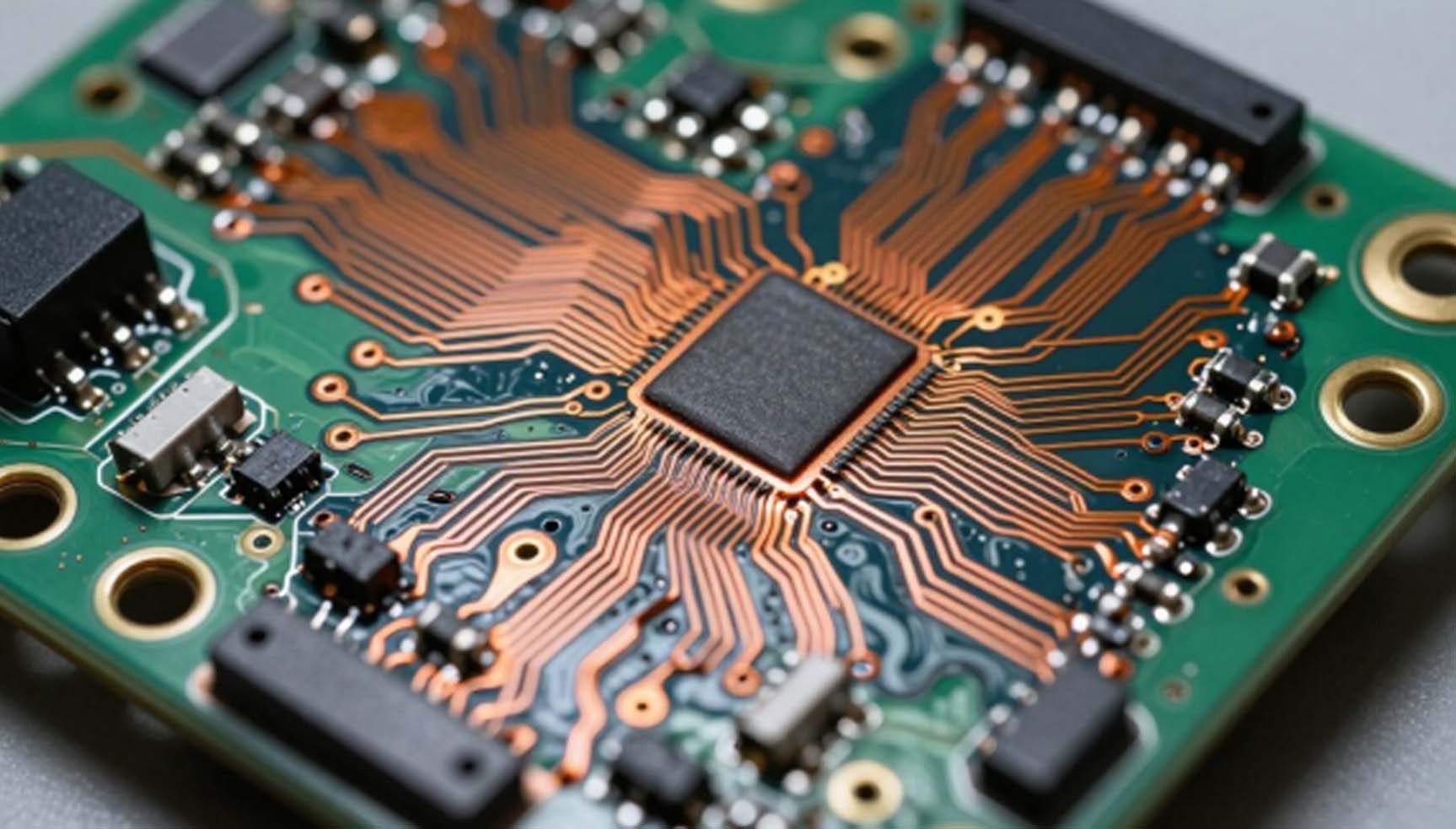
Getting your design right from the start is a big deal. It’s called Design for Manufacture, or DFM. This isn’t just about making the board look good; it’s about making sure it can actually be built without a ton of problems. When a PCB is designed with DFM in mind, it usually means fewer mistakes during assembly, better yields, and getting your product out the door faster. It’s a proactive step that saves headaches later.

Think of it like building something with LEGOs. If the pieces don’t fit together easily, you’re going to struggle. DFM is about making sure all the ‘LEGO bricks’ of your PCB design are compatible with the assembly process. This means checking things like trace widths, component spacing, and drill hole sizes. A good DFM review can catch potential issues before they even hit the assembly line, saving time and money.

Paying attention to DFM early on is a smart move for any electronics project. It helps avoid costly rework and ensures a smoother production run. It’s a core part of a solid PCB assembly strategy, making sure the board can be produced reliably and at a controlled cost. This focus on manufacturability is key for success.

Component Selection and Sourcing

Choosing the right parts and knowing where to get them is pretty important. It affects not just the cost but also the reliability of your final product. You’ve got to think about availability, lead times, and whether the components will actually work well together on the board. Sometimes, a cheaper part might seem good, but if it’s hard to get or causes issues, it’s not a good deal.

Sourcing components can be a bit of a maze. You’ll want to work with suppliers you trust. For UK PCB assembly, it’s often beneficial to use local distributors or manufacturers who can provide clear documentation and support. This can simplify things, especially if you need specific certifications or have questions about RoHS compliance. It’s about building a reliable supply chain.

The right components, sourced wisely, form the backbone of a dependable electronic device. Don’t underestimate this step; it impacts everything from performance to your bottom line.

Assembly Cost Influences

Several things can push your PCB assembly costs up or down. The complexity of the board itself is a big one – more layers, smaller traces, and tiny components usually mean higher costs. The number of components on the board also plays a role, as does the type of assembly needed, like surface mount versus through-hole. Production volume is another major factor; making a lot of boards often brings the per-unit cost down.

Beyond the board itself, things like the inspection methods you choose and any special testing required will add to the price. If you need things like conformal coating or potting for environmental protection, that’s an extra cost too. Even how the boards are panelised and shipped can have a small impact. It’s a mix of design choices and production requirements.

Here’s a quick look at some cost drivers:

  • Board Complexity:Number of layers, trace width, spacing.
  • Component Density:How many parts are on the board.
  • Assembly Type:Surface Mount (SMT) vs. Through-Hole (THT).
  • Production Volume:Higher quantities generally mean lower per-unit cost.
  • Testing & Inspection:AOI, X-ray, functional testing.
  • Special Processes:Conformal coating, potting, cleaning.

Understanding these factors helps in budgeting and making informed decisions during the design and planning phases. It’s all part of a good PCB assembly strategy.

Advanced Assembly Techniques and Technologies
Surface Mount vs. Through-Hole Assembly

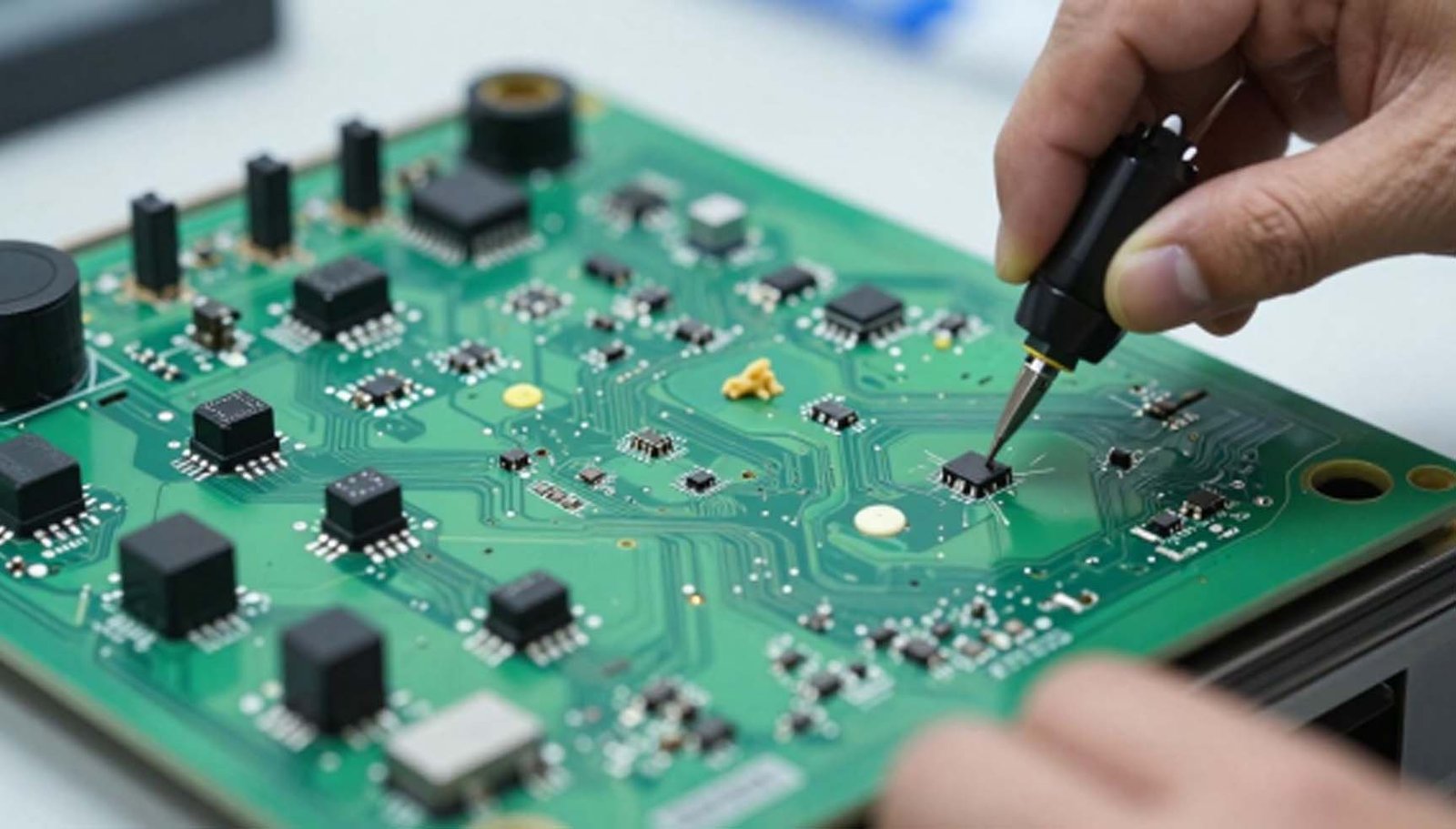
Choosing between Surface Mount Technology (SMT) and Through-Hole Technology (THT) is a foundational decision in PCB assembly. SMT places components directly onto the board’s surface, allowing for smaller components and denser circuitry. This method is highly automated and cost-effective for mass production. THT, on the other hand, uses components with leads that are inserted through drilled holes and soldered on the opposite side. While generally more robust and suitable for high-stress applications or larger components, THT assembly is typically slower and more expensive.

The trend leans heavily towards SMT for most modern electronics due to its efficiency and miniaturization capabilities. However, THT still holds its place for specific needs. A hybrid approach, combining both SMT and THT on the same board, is also common to leverage the strengths of each. Understanding the physical requirements and electrical performance needed for your project will guide this critical choice.

Automated Optical Inspection (AOI) for Quality

Automated Optical Inspection (AOI) is a cornerstone of modern PCB assembly quality control. These systems use cameras and advanced algorithms to scan assembled boards, identifying defects that might be missed by human inspectors. AOI can detect issues like solder bridging, missing components, incorrect component placement, and solder joint anomalies. Implementing AOI significantly reduces the likelihood of faulty products reaching the end-user.

AOI systems work by comparing the inspected board against a known good reference image or design rules. The speed and accuracy of AOI make it indispensable for high-volume production, helping to catch errors early in the process. This proactive approach minimizes rework and scrap, contributing to overall cost savings and faster turnaround times. The effectiveness of AOI relies on proper setup and calibration.

Soldering Methods and Fluxes

Soldering is the process that creates the electrical and mechanical connection between components and the PCB. Several methods exist, each with its own advantages. Reflow soldering is standard for SMT components, where solder paste is applied to pads, components are placed, and the entire board is heated in an oven to melt the solder. Wave soldering is often used for THT components, where the bottom of the board passes over a wave of molten solder.

Flux is a critical chemical agent used in soldering. Its primary role is to clean the metal surfaces by removing oxides, which prevents oxidation during the heating process. Flux also improves the wetting of the solder, allowing it to flow smoothly and form strong joints. Different types of fluxes exist, such as no-clean, water-soluble, and ROL0 (rosin-based, low-activity, no-wash), each suited to different assembly processes and cleaning requirements. Choosing the right soldering method and flux is vital for creating reliable solder joints.

Soldering Method Primary Use Case Key Advantages
Reflow Soldering SMT Components High throughput, precise control, suitable for fine-pitch components
Wave Soldering THT Components Robust joints, cost-effective for high volume THT
Selective Soldering Mixed Technology, specific THT joints Precise application, reduced thermal stress
Hand Soldering Rework, prototypes Flexibility, accessibility for complex areas


Ensuring Reliability and Durability

Environmental Protection: Conformal Coating and Potting

Electronics often face tough conditions. Moisture, dust, and chemicals can cause real problems, leading to shorts or corrosion. Conformal coating acts like a shield, forming a protective layer over the circuit board. This barrier helps keep out unwanted contaminants and moisture, which is key for long-term operation. The type of coating and how it’s applied really matters for its effectiveness.

For situations with more extreme stress, like heavy vibration or impacts, potting might be the better choice. This involves encasing the assembly in a solid compound. It adds mechanical strength and better seals against the environment. However, potting can affect heat dissipation and make repairs harder. Choosing between coating and potting depends heavily on the product’s intended use and operating environment.

Quality Assurance and Testing Processes

Getting the assembly right is just the start. Quality assurance and testing are vital steps to make sure the product works as it should and keeps working. This isn’t just about catching obvious mistakes; it’s about finding hidden weaknesses that could cause trouble later.

Inspection methods like Automated Optical Inspection (AOI) check for correct component placement and solder joint quality. Beyond visual checks, functional testing confirms the board performs its intended tasks. This might involve simulating real-world inputs and outputs. Thorough testing reduces the chance of field failures, saving costs and customer headaches down the line.

Achieving Production Readiness

Moving from a single prototype to mass production requires a solid plan for reliability. This means looking at the whole lifecycle of the product, not just the initial build. What happens when the product is out in the field? How will it hold up over time?

Considering the operating environment early on helps make better design choices. This includes selecting appropriate materials and protection methods. A well-planned approach to reliability means fewer returns, less warranty work, and a better reputation for the product. It’s about building a product that lasts.

Choosing Your PCB Assembly Partner in the UK

Benefits of UK-Based Manufacturing

When you’re looking for a PCB assembly partner, especially for projects in the UK, sticking with local manufacturers can simplify things. You avoid the headaches of international shipping, customs paperwork, and potential import VAT surprises. This means clearer timelines and fewer unexpected costs. UK-based manufacturing often provides better communication channels, making it easier to discuss project details and resolve issues quickly. It’s about having a partner who’s geographically close and understands your local market needs.

Working with a UK-based company also means you can often get more direct access to their technical teams. If you have questions or need to make adjustments, you’re more likely to speak directly with an engineer rather than going through multiple layers of customer service. This direct line can be a lifesaver when you’re trying to keep a project on schedule. Plus, for many, there’s a certain peace of mind knowing your PCBs are being made domestically, with potentially tighter oversight on quality and intellectual property.

Evaluating Partner Capabilities

When you’re evaluating potential PCB assembly partners, look beyond just the price tag. Check their certifications, like ISO 9001, which shows they follow established quality management systems. Ask about their experience with the specific types of components and technologies your project requires. Do they handle fine-pitch components or complex multi-layer boards? It’s also smart to inquire about their inspection processes. Do they use Automated Optical Inspection (AOI)? What’s their process for testing finished boards? A partner with transparent capabilities and a solid quality record is key. For teams comparing suppliers, Arkle’s PCB assembly services UK provide a useful reference point for SMT, through-hole assembly, inspection, traceability, and quality-controlled production.

Consider their approach to Design for Manufacture (DFM). A good partner will offer feedback on your design to make it easier and more cost-effective to produce. Ask for examples of how they’ve helped other clients improve their designs for better manufacturability. Also, think about their revision control. How do they track changes and manage different versions of your design files? This discipline is important for avoiding errors and ensuring consistency, especially if you plan on multiple production runs. A reliable PCB assembly partner will have clear, documented processes for these areas.

Here’s a quick checklist to consider:

  • Quality Certifications:Look for ISO 9001 or similar.
  • Technical Capabilities:Can they handle your component types and board complexity?
  • DFM Feedback:Do they actively provide design for manufacture suggestions?
  • Inspection & Testing:What methods do they use (e.g., AOI, functional testing)?
  • Revision Control:How do they manage design changes?
  • Communication:Is it easy to reach their technical staff?

Transitioning from Prototype to Volume Production

Moving from a few prototype boards to larger production runs requires a partner who can scale with you. Discuss their capabilities for handling increased volumes. Do they have the equipment and processes in place to maintain quality and efficiency as your order size grows? It’s important to understand their minimum order quantities (MOQs) and how their pricing changes with volume. A partner who can smoothly transition your project from a handful of units to hundreds or thousands is invaluable.

Ask about their production planning and lead times for larger batches. Can they provide realistic estimates and meet your delivery schedules? A good partner will work with you to optimize the production process, perhaps through panelisation or efficient component sourcing, to keep costs down and speed up delivery. They should also have robust quality assurance processes that are applied consistently, whether you’re ordering 5 boards or 500. This consistency is what builds trust and ensures your product performs reliably.

A well-chosen PCB assembly partner in the UK can significantly streamline your product development cycle, offering both quality assurance and logistical advantages. Their ability to adapt from small-batch prototypes to larger production volumes is a key indicator of their suitability for your project’s long-term success.

Optimizing Your PCB Assembly Workflow

Process Optimisation for Efficiency

Getting your PCB assembly right from the start saves a lot of headaches later. It’s not just about having fancy machines; it’s about making the board easy for those machines to work with. Think about how components are spaced and how pads are designed. These small layout choices can really affect how well solder sticks and how components sit during the heating process. If these things aren’t thought about early, you can end up with solder bridges, components that stand up like little tombstones, or joints that just don’t connect right. A good design process makes the PCB easier to build, easier to check, and easier to make the same way every single time.

Modern assembly lines rely a lot on automation. Machines print solder paste, pick and place components, do the reflow soldering, and then inspect everything. For this automation to work smoothly, the PCB needs to give the machines clear signals and be physically stable. This means having accurate markers for alignment, making sure the boards are set up in panels that can be handled easily, and following design rules that help place components reliably. If a board is hard to find, support, or move, even a well-designed circuit can become a production bottleneck. Good PCB layout can help with panelisation, handling, and reducing board movement, which all lead to better results.

Streamlining the assembly process is key to reducing costs and speeding up production. This involves looking at every step, from how the solder paste is applied to how components are placed and soldered. It’s about making sure that each stage is as efficient and error-free as possible. The goal is to minimize manual intervention and maximize the use of automated systems. This approach not only improves throughput but also leads to more consistent quality across all manufactured units. A well-optimized workflow means fewer delays and a more predictable production schedule.

Panelisation and Fiducial Placement

Panelisation is basically grouping multiple PCBs onto a larger board, called a panel. This makes handling them easier for automated machines on the assembly line. It helps keep things stable as they move through different stages, like solder paste printing and component placement. When boards are in a panel, machines can process them more efficiently, leading to higher throughput. It also helps reduce waste and can make the overall manufacturing process more cost-effective. The way you group the boards and how they are connected within the panel are important design considerations.

Fiducial markers are small targets placed on the PCB or panel. Automated machines use these markers to precisely locate the board and align components. Think of them as visual cues for the machines. Accurate placement of fiducials is critical for pick-and-place machines to position components correctly. Without good fiducials, machines can misplace components, leading to assembly errors and potential failures. The size, shape, and placement of fiducials need to be carefully considered to ensure they are easily detectable by machine vision systems, even on complex or densely populated boards.

Proper panelisation and fiducial placement are not just technical details; they are fundamental to enabling efficient automated assembly and ensuring high manufacturing yields. These elements directly impact the speed and accuracy of machine operations, reducing the likelihood of errors and the need for costly rework.

Supply Chain Management Strategies

Managing your supply chain effectively is a big part of successful PCB assembly. This means having a clear plan for where your components will come from and how they will get to the assembly house. It involves building good relationships with suppliers to ensure you get the parts you need on time and at a good price. A strong supply chain strategy helps avoid delays that can halt production. It also means having backup plans in case a primary supplier runs into issues. This proactive approach is vital for keeping your projects on schedule.

When choosing suppliers, it’s important to consider more than just cost. Reliability, quality, and lead times are also key factors. For UK electronics projects, using local suppliers can sometimes offer benefits like faster delivery and easier communication. However, global sourcing might provide cost advantages. The best strategy often involves a mix of both, depending on the specific components and project requirements. Careful planning and regular communication with your supply chain partners are essential for smooth operations.

Supply chain management is an ongoing process. It requires constant monitoring and adjustment. Keeping track of inventory, forecasting demand, and managing logistics are all part of this. A well-managed supply chain can significantly reduce risks, improve efficiency, and contribute to the overall success of your electronics project. It’s about making sure the right parts are in the right place at the right time, every time. This careful coordination is what makes the whole assembly workflow function smoothly.

Conclusion

Getting your circuit boards put together is a big step in making any electronic gadget. It’s not just about sticking parts on a board; it’s about making sure everything works right, lasts a long time, and doesn’t cost a fortune. Whether you’re starting small with a prototype or aiming for big production runs, paying attention to how the board is assembled is key. Thinking about things like how easy the design is to make, where you get your parts from, and how you’ll check the quality all add up. Working with a good assembly partner in the UK can really make a difference, helping you avoid headaches and get a solid product out the door.

My name is Saad, and I am a member of the Timely News Editorial Team. I write stories about actors, celebrity marriages, breakups, and many trending news. Explore my articles to stay updated with the latest news.