
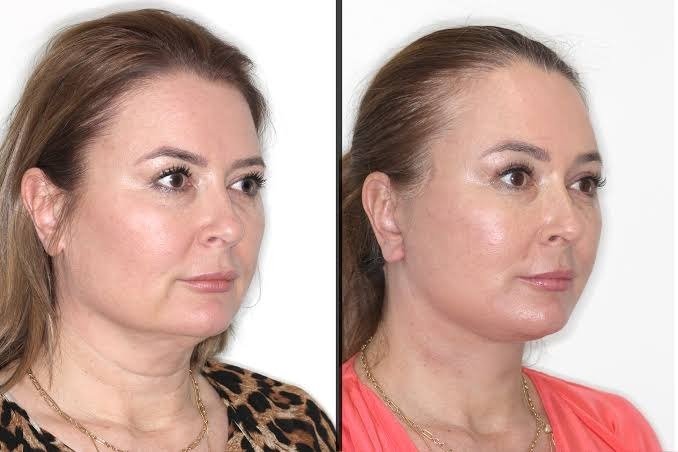
For years, facelifts were associated with patients in their sixties and beyond. That’s shifting fast. Surgeons on Harley Street report a growing number of patients in their late 30s and 40s booking consultations, many of them driven by a cultural shift away from heavy filters and airbrushing toward wanting their actual, unedited face to hold up under scrutiny. This “no-filter” generation isn’t chasing a different face they want their real one to look rested, structured, and quietly confident on camera and in person.
If you’re comparing options at this stage, it’s worth reading about the best deep plane facelift treatment available in London before deciding which approach suits earlier-stage ageing.
For male patients specifically, it’s also worth understanding deep plane facelift for men, since aesthetic goals and technique adaptations differ meaningfully between male and female patients at this age.
Here’s why this generation is choosing surgery sooner, and what’s driving the shift toward the deep plane technique specifically.
1. Constant Camera Exposure Changes What People Notice
Video calls, front-facing cameras, and unfiltered social platforms mean people now see their own face, at close range, far more often than previous generations ever did. Subtle jowling or midface descent that would have gone unnoticed a decade ago is now visible daily, accelerating the decision to address it with a deep plane facelift.
2. Rejecting the “Filtered” Look, Not Chasing Perfection
Ironically, the same generation raised on filters is now actively rejecting them, favouring a natural, structurally sound face over an artificially smoothed one. This is precisely what makes the deep plane face lift appealing: it restores genuine structure rather than surface smoothness, avoiding the plastic, over-filled look associated with heavy non-surgical maintenance.
3. Early Intervention Preserves More of the Original Face
Patients in their late 30s and 40s typically have better skin elasticity and less advanced tissue descent than older patients, which often means a more conservative, highly natural-looking correction. A deep plane face and neck lift performed at this stage tends to age more gracefully because it’s restoring a face that hasn’t yet undergone extensive structural change.
4. Millennials Are Prioritising Prevention Over Correction
Rather than waiting until sagging becomes severe, many millennials are treating early facial surgery the way previous generations treated retirement planning: start early, invest steadily, avoid a dramatic catch-up procedure later. This mindset has driven real growth in deep plane facelift london consultations among patients under 45.
5. Understanding Deep Plane Facelift Surgery UK Standards
Because this generation researches heavily before booking anything, they tend to ask sharper questions about accreditation, technique, and surgeon experience. A properly performed deep plane facelift surgery uk procedure should involve a CQC-accredited facility, a board-certified surgeon, and full transparency about combining procedures like a neck lift where needed.
6. Why the Deep Plane Technique Suits This Age Group
Unlike SMAS-only approaches, the deep plane method releases the retaining ligaments and repositions skin and SMAS together as one unit. For a deep plane face lifting candidate in their 40s, this typically means addressing early jowls and nasolabial folds without the tight, over-corrected look older techniques were known for.
7. Deep Plane Facelift Cost in London: What to Budget For
A deep plane facelift cost london typically starts from the mid five figures, with the final figure depending on whether a neck lift, brow lift, or fat grafting is added to the plan. Younger patients often need a more limited version of the procedure, which can affect pricing compared with more extensive corrections in older patients.
8. Understanding Deep Plane Facelift UK Cost Transparency
Ask for a full deep plane facelift uk cost breakdown covering the surgeon’s fee, anaesthetist, hospital facility, garments, and follow-up visits. This generation, accustomed to researching everything before purchasing, tends to walk away from clinics that won’t provide this detail upfront.
9. Weighing Deep Plane Facelift Turkey Cost Against Long-Term Value
A lower deep plane facelift turkey cost is a common search among younger patients comparing options, but this technique is highly dependent on surgeon skill and access to consistent follow-up care during recovery. For a first surgical procedure at a younger age, many patients prioritise proximity to their surgeon over short-term savings.
10. Vetting the Best Deep Plane Facelift Surgeons UK
Ask directly how many procedures a surgeon performs each year and request to see genuine before-and-after results relevant to your age group specifically. The best deep plane facelift surgeons uk offer will be candid about whether you’re actually ready for surgery yet, rather than encouraging every enquiry to book.
11. What the Best Deep Plane Facelift Surgeons Look For in Younger Patients
Experienced practitioners assess candidacy based on tissue laxity and facial anatomy rather than age alone, and the best deep plane facelift surgeons will sometimes recommend waiting, or trying non-surgical options first, if early intervention isn’t yet warranted.
12. Finding the Best Deep Plane Facelift Surgeon London for Your Stage of Ageing
A best deep plane facelift surgeon london candidate for a younger patient should be comfortable explaining a more conservative surgical plan, rather than defaulting to the same approach used for significantly older patients. Ask how their technique adapts specifically for early-stage jowling and midface volume loss.
13. Combining Procedures Is Less Common at This Age
Unlike older patients who often need a facelift, neck lift, and eyelid surgery together, younger patients frequently need a more targeted correction. This can mean a shorter procedure, a quicker recovery, and a treatment plan focused narrowly on the specific areas showing early laxity, rather than a comprehensive full-face overhaul.
14. Recovery Fits More Easily Into a Working Life
Because early-stage corrections tend to be less extensive, recovery timelines are often shorter and more predictable, which matters to a generation still building careers and raising young families. Most younger patients return to social activity within two to three weeks, with swelling and bruising resolving steadily during that window.
Final Thoughts
The shift toward earlier facial surgery isn’t vanity for its own sake it reflects a generation that’s more visible on camera, more sceptical of filters, and more comfortable treating proactive surgery as part of long-term self-care rather than a last resort. A deep plane facelift suits this mindset well, because it restores genuine structure rather than masking ageing with surface treatments that need constant topping up.
This generation also tends to research more thoroughly than any before it, comparing surgeon credentials, before-and-after portfolios, and cost breakdowns across multiple clinics before booking a single consultation. That scrutiny is a good thing: it rewards surgeons who are transparent about technique, honest about candidacy, and willing to say no when someone isn’t ready yet.
If you’re noticing early signs of descent and want a natural, camera-ready result that ages well over the next decade, a personalised consultation is the right starting point to understand whether now, or a few years from now, is the right time for you. Bring specific questions about technique, recovery, and realistic outcomes for your age group a good surgeon will welcome the scrutiny, not shy away from it.