
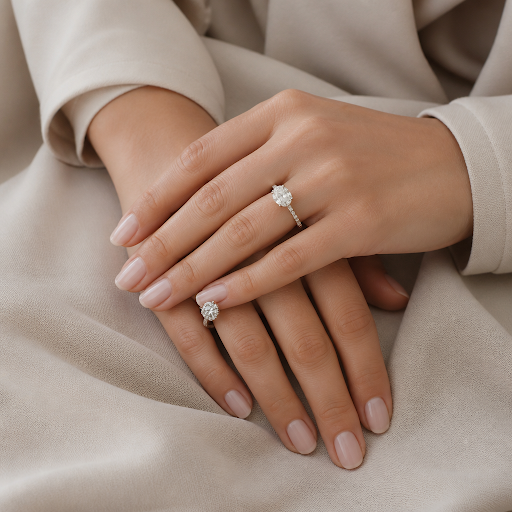
When it comes to selecting an engagement ring, few decisions carry as much weight as the choice of diamond shape. Among the most beloved and enduring options, round and oval cuts dominate the conversation — and for good reason. Each shape carries its own visual language, flatters different hand types, and communicates a distinct sense of personal style. Whether you are drawn to the timeless symmetry of a round brilliant or the elongated elegance of an oval, understanding the nuances between these two cuts can help you make a choice you will cherish for a lifetime.
The Enduring Appeal of the Round Brilliant Cut
The round brilliant diamond has held its place as the most popular engagement ring shape for decades, and its dominance is no accident. Developed through centuries of gemological refinement, the round cut features 58 precisely angled facets designed to maximize light return. The result is a stone that sparkles with unmatched intensity, catching light from virtually every angle and producing that iconic, fiery brilliance that has become synonymous with the word “diamond.”
From a practical standpoint, the round shape is universally flattering. Its circular outline softens the appearance of wider knuckles, balances longer fingers, and sits harmoniously on nearly every hand type. It is also the most versatile shape in terms of setting compatibility — from classic solitaires to elaborate halo designs, the round brilliant adapts effortlessly. For those who value tradition, investment-grade resale value, and maximum brilliance, the round cut remains an almost unbeatable choice.
Why Round Diamonds Retain Their Value
Beyond aesthetics, round diamonds consistently command higher prices per carat than fancy shapes, largely because of the significant rough diamond material lost during cutting. This also means they tend to hold their value well over time. For buyers thinking about jewelry as both a sentimental and financial investment, the round brilliant offers a reassuring combination of beauty and long-term worth. According to Marie Claire’s guide to building an investment jewelry collection, classic cuts and timeless designs are among the smartest choices for those looking to build a meaningful and lasting collection.
The Modern Allure of the Oval Cut
The oval diamond has experienced a remarkable surge in popularity over the past decade, and it shows no signs of slowing down. Introduced in the late 1950s by diamond cutter Lazare Kaplan, the oval cut was designed to combine the brilliance of a round diamond with a more distinctive, elongated silhouette. The result is a shape that feels simultaneously classic and contemporary — a rare balance that resonates deeply with modern buyers.
One of the oval’s most celebrated qualities is its ability to create the illusion of longer, more slender fingers. Because the stone stretches across the finger rather than sitting compactly, it visually elongates the hand in a way that many wearers find incredibly flattering. For those with shorter or wider fingers, this effect can be particularly transformative. Additionally, oval diamonds often appear larger than round diamonds of the same carat weight, simply because of how their surface area is distributed — making them an appealing option for buyers seeking maximum visual impact within a given budget.
Understanding the Bow-Tie Effect in Oval Diamonds
One important consideration when shopping for an oval diamond is the so-called “bow-tie effect” — a dark, shadow-like area that can appear across the center of the stone when light is not reflected properly. This is a natural characteristic of elongated fancy shapes, but its severity varies significantly depending on the quality of the cut. A well-proportioned oval will minimize this effect, while a poorly cut stone may display a distracting dark band. Always view an oval diamond in person or through high-quality video before purchasing, and prioritize cut quality above all other factors.
Matching Ring Shape to Finger Type
The relationship between ring shape and finger type is one of the most practical — and often overlooked — aspects of engagement ring selection. While personal preference should always take precedence, understanding how different shapes interact with different hand proportions can help guide a more informed decision.
For shorter fingers, oval and other elongated shapes tend to create a more balanced, proportionate look. For longer, more slender fingers, round cuts sit beautifully without overwhelming the hand. Wider fingers often benefit from the clean, contained geometry of a round brilliant, while those with narrow fingers may find that an oval’s extended silhouette adds a pleasing sense of presence. Of course, these are guidelines rather than rules — the most important factor is always how the ring makes the wearer feel.
Setting Styles That Complement Each Shape
Setting choice plays a crucial role in how a diamond shape reads on the hand. Round diamonds shine in virtually any setting — solitaire, pavé, bezel, or halo — but their brilliance is perhaps most purely expressed in a classic four or six-prong solitaire. Oval diamonds, on the other hand, are particularly stunning in east-west settings, which lean into the stone’s horizontal orientation, or in elongated halo designs that amplify the shape’s natural drama. Vintage-inspired settings with milgrain detailing also pair beautifully with oval cuts, lending a romantic, antique quality to the overall look.
Leon Diamond: Expert Guidance for Every Shape
Navigating the world of diamond shapes can feel overwhelming without the right guidance. Leon Diamond, a trusted name in fine jewelry, offers an exceptional resource for anyone weighing their options. Their in-depth exploration of Round vs Oval Rings provides detailed, expert insight into how each shape interacts with different finger types, helping buyers make a truly personalized and informed decision. With decades of experience crafting bespoke engagement rings, Leon Diamond combines gemological expertise with a genuine understanding of what makes a ring feel uniquely right for each individual wearer.
Their approach goes beyond simply selling diamonds — it is about helping clients understand the relationship between stone shape, setting design, and personal style. Whether you are drawn to the classic brilliance of a round cut or the modern elegance of an oval, Leon Diamond’s team provides the kind of thoughtful, personalized guidance that transforms a significant purchase into a deeply meaningful experience.
Presentation Matters: From Ring to Gift
Once you have selected the perfect ring, the way you present it can be just as memorable as the ring itself. Thoughtful packaging and presentation elevate the entire experience, turning a beautiful object into an unforgettable moment. For those looking to add a creative, personal touch to their proposal or gift-giving, exploring creative uses for custom heart-shaped boxes beyond Valentine’s Day offers a wealth of imaginative ideas that go far beyond conventional presentation. A beautifully curated unboxing experience can make the moment of giving a ring feel even more extraordinary.
Making the Final Decision
Ultimately, the choice between a round and oval engagement ring is deeply personal. Both shapes offer extraordinary beauty, exceptional brilliance, and the ability to become a cherished heirloom. The round brilliant speaks to those who value tradition, symmetry, and timeless elegance. The oval appeals to those who want something that feels both classic and distinctly modern — a shape that stands out without straying too far from convention.
Take the time to try both shapes in person if possible. Pay attention to how each one makes you feel, how it interacts with your hand, and how it aligns with your broader sense of style. The right ring is not simply the one that looks best in photographs — it is the one that feels most authentically like you, every single day you wear it.