
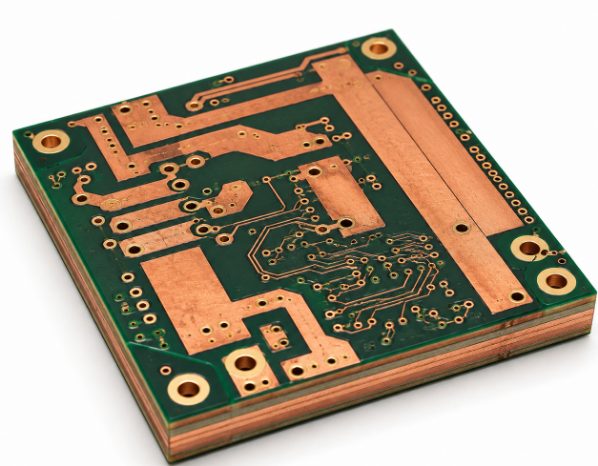
Electronic devices are becoming increasingly advanced, creating higher expectations for manufacturing quality, precision, and reliability. From consumer electronics and automotive systems to industrial equipment and communication technologies, every electronic product depends on properly assembled components and dependable circuit boards. Even minor manufacturing defects can affect product performance, increase maintenance costs, and reduce customer satisfaction. This makes choosing the right manufacturing partner an important decision for businesses developing modern electronic products. FastTurn PCBA supports electronic manufacturing requirements through PCB fabrication and assembly solutions designed to meet different project specifications.
The Importance of Quality in PCB Assembly
PCB assembly is one of the most important stages in electronic product manufacturing. It involves installing electronic components onto printed circuit boards to create functional electrical systems. The accuracy of this process directly influences the performance and durability of the final product.
Modern circuit boards often contain hundreds of components within limited spaces. These components must be positioned correctly and connected through reliable solder joints. Poor assembly practices can lead to electrical failures, overheating, and inconsistent performance.
Maintaining quality throughout the assembly process helps manufacturers reduce production errors and develop products that perform consistently. FastTurn PCBA focuses on supporting manufacturing needs where accuracy and dependable assembly are essential.
Choosing the Right PCB Materials
Material selection plays a major role in determining how a circuit board performs under different operating conditions. Factors such as electrical conductivity, thermal resistance, mechanical strength, and operating temperature should be considered before production begins.
Some electronic applications require specialized circuit boards capable of handling higher current loads and greater heat generation. In these situations, heavy copper PCB technology can provide important advantages.
Businesses searching for experienced heavy copper pcb manufacturers often prioritize production capabilities, copper thickness options, thermal performance, and manufacturing consistency. Heavy copper boards are commonly used in power electronics, automotive systems, industrial controls, and energy management equipment.
Their thicker copper layers help support higher current carrying capacity and improved heat distribution. Selecting suitable materials and manufacturing specifications helps engineers develop circuit boards that match the electrical and environmental requirements of their applications.
Advanced Assembly Technologies
Modern PCB assembly relies on advanced equipment and controlled manufacturing processes. Surface Mount Technology (SMT) is widely used because it allows manufacturers to install small electronic components directly onto circuit board surfaces.
Automated pick-and-place machines position components according to digital design files. This improves placement accuracy and supports efficient production, especially when working with complex circuit layouts.
After component placement, reflow soldering creates electrical and mechanical connections between components and the PCB. Temperature profiles must be carefully controlled to prevent soldering defects and protect sensitive electronic parts.
FastTurn PCBA supports modern electronic manufacturing requirements by emphasizing suitable assembly processes for different board designs and production needs.
Maintaining Consistency Through Quality Inspection
Quality inspection is essential for identifying potential problems before assembled circuit boards move to the next production stage. Even advanced manufacturing equipment requires proper monitoring and verification.
Several inspection methods are commonly used in PCB manufacturing:
- Automated Optical Inspection (AOI): Identifies missing components, incorrect placements, and visible soldering defects.
- X-Ray Inspection: Helps examine hidden solder connections, particularly those beneath components such as ball grid arrays.
- Electrical Testing: Checks circuit connectivity and identifies possible open or short circuits.
- Functional Testing: Evaluates whether an assembled board performs according to its intended electrical requirements.
Using appropriate inspection methods helps manufacturers identify problems early and maintain more consistent production quality. Testing requirements should always reflect the complexity and intended application of the electronic product.
Managing Thermal Performance
Heat management is another important consideration in electronic component assembly. High-performance components can generate considerable heat during operation, particularly in power supplies, motor controllers, and industrial electronics.
If heat is not managed properly, it can reduce component lifespan and affect overall system stability. Engineers therefore consider copper thickness, board materials, thermal vias, component spacing, and cooling arrangements during the design process.
Heavy copper circuit boards can be particularly useful in applications involving high electrical currents because their thicker copper layers provide additional conductivity and thermal management benefits.
Manufacturers must ensure that the selected PCB construction and assembly methods are compatible with the product’s expected operating conditions.
Improving Production Efficiency
Manufacturing efficiency directly affects product development schedules and production expenses. Delays in component sourcing, fabrication, assembly, or inspection can create difficulties for businesses working with strict deadlines.
A well-organized production workflow helps reduce unnecessary interruptions. Proper communication between design teams and manufacturing specialists also makes it easier to identify potential issues before production begins.
Design for Manufacturability (DFM) reviews are especially valuable because they allow engineers to evaluate circuit board layouts before manufacturing. These reviews can identify spacing problems, unsuitable component arrangements, and other design limitations that might complicate assembly.
FastTurn PCBA supports hardware development by providing manufacturing and assembly solutions that help businesses manage different production requirements.
Applications Across Different Industries
High-quality electronic component assembly is important across numerous industries. Consumer electronics manufacturers require compact and reliable circuit boards for everyday devices, while automotive companies depend on electronic systems for vehicle control, monitoring, and power management.
Industrial automation also relies on dependable PCB assemblies for controllers, sensors, power systems, and communication equipment. Renewable energy applications, including solar power systems and battery management equipment, may require specialized boards capable of handling demanding electrical conditions.
Selecting appropriate PCB materials, assembly techniques, and inspection procedures helps manufacturers address the specific requirements of each industry.
Building Reliable Electronic Products With FastTurn PCBA
The quality of electronic component assembly depends on several interconnected factors, including PCB materials, manufacturing precision, component placement, soldering processes, and inspection procedures. Every stage contributes to the performance and reliability of the finished product.
FastTurn PCBA supports businesses looking for PCB fabrication and assembly solutions for modern electronic applications. By considering manufacturing requirements, appropriate materials, and quality-focused production practices, companies can develop circuit boards that meet their technical objectives.
As electronic technologies continue to advance, manufacturers must maintain high standards while adapting to increasingly complex designs. Investing in suitable PCB manufacturing processes and reliable assembly practices can help businesses improve product quality, reduce manufacturing challenges, and build electronic solutions for the future.
