
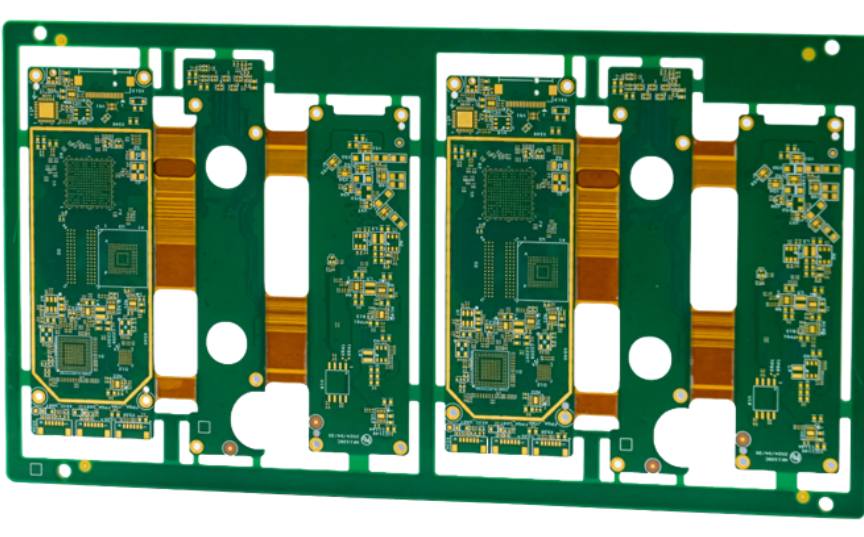
Modern electronic devices increasingly require circuit boards that can provide both mechanical flexibility and reliable electrical performance. Rigid flex PCB fabrication combines rigid and flexible PCB technologies to create boards that can fit into compact or complex products. When these projects also require shorter production schedules, Fast Turn PCB services can help engineers receive boards quickly for prototyping, testing, and product development.
What Is Rigid Flex PCB Fabrication?
Rigid-flex PCBs combine rigid board sections with flexible circuit areas within a single PCB structure. The rigid sections provide mechanical support for components, while the flexible portions allow the board to bend or fold.
This construction can reduce the need for multiple connectors, cables, and separate circuit boards. It is particularly useful when space is limited or when the PCB needs to fit around other components.
Common applications include:
- Wearable electronics
- Medical devices
- Aerospace equipment
- Automotive electronics
- Compact consumer devices
- Cameras and portable equipment
- Industrial systems
How Rigid Flex PCBs Work
A rigid flex PCB fabrication typically contains rigid materials in areas where components need to be mounted and flexible materials in sections that require movement or bending.
The combination provides several design possibilities. Instead of connecting multiple rigid PCBs with wires or separate connectors, designers can integrate different circuit sections into one structure.
This can help reduce assembly complexity while allowing manufacturers to create more compact electronic products.
Benefits of Rigid Flex PCB Fabrication
Rigid-flex technology can offer several advantages compared with conventional rigid PCBs and cable-based connections.
Space Savings
Flexible sections can be folded into available spaces, making rigid-flex boards useful for compact electronic products.
Fewer Connectors
A single rigid-flex PCB can replace certain cables and connectors, potentially reducing connection points.
Improved Reliability
Reducing the number of mechanical connections can help minimize potential failure points in some applications.
Better Product Design
Rigid-flex construction provides designers with greater freedom when creating products with unusual shapes or limited internal space.
Reduced Assembly Complexity
Integrating multiple circuit sections into one Fast Turn PCB can simplify certain assembly processes.
Understanding Fast Turn PCB Services
A Fast Turn PCB service provides circuit boards within a shorter manufacturing timeframe than standard production. Fast-turn services are valuable when engineers need prototypes or revised boards quickly.
For rigid-flex projects, faster fabrication can help development teams test their designs sooner and identify potential mechanical or electrical problems before moving toward larger production quantities.
Why Fast Turn PCB Matters for Rigid-Flex Projects
Rigid-flex boards can involve more complex manufacturing requirements than standard rigid PCBs. Testing an early prototype can therefore be particularly important.
Fast-turn production can help teams:
- Receive prototypes sooner
- Test bending and mechanical fit
- Verify electrical performance
- Identify design problems early
- Make faster design revisions
- Reduce overall development delays
A faster manufacturing cycle can be especially useful when a product is approaching a strict development deadline.
Important Considerations for Rigid Flex PCB Fabrication
Rigid-flex manufacturing requires careful attention to the board’s mechanical and electrical requirements. Designers and manufacturers need to consider how the flexible sections will bend and how components will be positioned on rigid areas.
Important factors may include:
- Bend radius
- Flexible layer structure
- Rigid section thickness
- Copper thickness
- Layer count
- Material selection
- Via design
- Stiffener requirements
- Surface finish
- Component placement
Understanding these requirements before fabrication can help prevent problems during assembly and use.
Materials Used in Rigid-Flex PCBs
Rigid-flex boards use different materials for their rigid and flexible sections. Flexible areas commonly require materials that can withstand repeated bending, while rigid sections need sufficient structural support for components.
Material selection should take into account:
- Electrical requirements
- Mechanical flexibility
- Thermal conditions
- Product dimensions
- Expected bending behavior
- Operating environment
The correct combination of materials can help the finished PCB meet the requirements of its intended application.
Quality Control in Fast PCB Manufacturing
Speed should always be balanced with manufacturing quality. Rigid-flex boards require careful inspection because problems in flexible areas or layer alignment can affect both electrical and mechanical performance.
Quality-control processes may include:
- Visual inspection
- Dimensional inspection
- Electrical testing
- Layer alignment checks
- Via inspection
- Flex-area inspection
- Functional testing
The appropriate testing method depends on the complexity and intended use of the PCB.
Preparing Files for Production
Complete manufacturing documentation can help reduce delays, especially when requesting fast-turn production.
Customers may need to provide:
- Gerber files
- Drill files
- Stack-up information
- Flexible and rigid section details
- Bend requirements
- Board dimensions
- Assembly drawings
- Component information
- Manufacturing notes
Clear documentation allows the manufacturer to understand the design and identify potential manufacturing concerns before production begins.
Choosing a Rigid-Flex PCB Manufacturer
When selecting a supplier for rigid flex PCB fabrication, businesses should evaluate the manufacturer’s experience with both rigid and flexible technologies. Production speed alone should not be the deciding factor.
Consider checking:
- Rigid-flex manufacturing capabilities
- Available materials
- Layer and thickness capabilities
- Bend requirements
- Quality-control procedures
- Testing options
- Prototype services
- Fast-turn production capabilities
A manufacturer with suitable technical expertise can help ensure that complex rigid-flex designs are produced consistently.
Conclusion
Rigid flex PCB fabrication provides a practical solution for electronic products that require compact designs, flexible connections, and reliable circuit performance. When combined with Fast Turn PCB services, rigid-flex prototypes can be produced more quickly for testing and design validation. By carefully considering materials, bend requirements, layer structures, manufacturing documentation, and quality control, businesses can develop rigid-flex circuit boards that support both advanced product designs and efficient development schedules.