
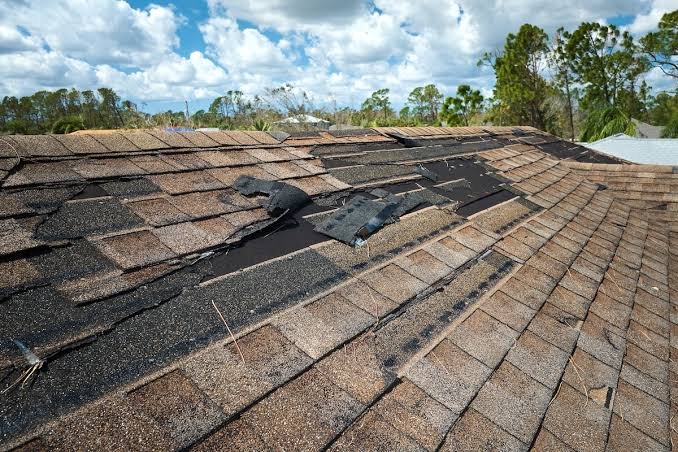
A storm does not need to tear half a roof away to cause a serious problem. In Edinburgh, strong winds, persistent rain and sudden changes in weather can loosen a few slates, disturb flashing or push water into places that are difficult to see from ground level.
That is why some of the most expensive roof problems begin with damage that looks minor—or is not visible at all.
A roof may appear normal from the street while water is already finding its way beneath the covering. Spotting the warning signs early gives homeowners a much better chance of dealing with a straightforward repair before moisture reaches insulation, ceilings or structural timber.
Here is what to look for after severe weather and when it is time to arrange a professional roof inspection.
Why Storm Damage Is Not Always Obvious
The most dramatic signs of roof damage are easy to recognise. Missing slates, sections of guttering on the ground or visibly damaged chimney pots usually make it clear that something needs attention.
Hidden damage is different.
High winds can partially loosen slate fixings without removing the slate completely. Flashing around a chimney can lift only slightly. A valley gutter may remain intact but become blocked with leaves, moss and storm debris.
These smaller changes can create an entry point for water.
The first indication may not appear until the next period of heavy rain, when a damp mark develops on an upstairs ceiling or moisture becomes visible inside the loft.
Checking the property soon after a storm therefore makes sense even when the roof looks largely unaffected.
Six Signs Your Roof May Have Storm Damage
You do not need to climb onto the roof to identify possible problems. In fact, homeowners should avoid accessing a wet or potentially damaged roof themselves.
Instead, look for these warning signs from a safe position.
1. Slates That Look Out of Line
Traditional slate roofs are common across Edinburgh, and one of the first signs of wind damage is often a slate that no longer sits neatly with the surrounding roof covering.
You might notice:
- A visible gap between slates
- One slate sitting lower than the others
- A cracked slate
- A slate hanging at an unusual angle
- Pieces of slate on the pavement or in the garden
Even one displaced slate deserves attention. The opening underneath may be small, but wind-driven rain can reach the roof structure through surprisingly narrow gaps.
2. New Damp Marks Inside the Property
The inside of the house can reveal roof problems that are impossible to see from outside.
After heavy weather, inspect upstairs rooms and the loft if it can be accessed safely.
Look around:
- Ceiling edges
- Chimney breasts
- Skylights
- Loft timbers
- Roof junctions
- Areas directly below valleys
Yellow or brown staining, peeling paint, bubbling plaster or a new musty smell may indicate moisture entering from above.
Do not assume a small mark means a small problem. Water can travel along timber, felt or other surfaces before appearing on a ceiling some distance away from the actual roof defect.
3. Flashing Has Lifted Around the Chimney
Roof flashing protects some of the most vulnerable junctions on a property.
It is commonly installed around chimney stacks, walls, roof extensions and other areas where two surfaces meet. Strong wind can loosen or distort flashing without removing it completely.
From ground level, you may notice metalwork that appears raised, bent or separated from the surrounding masonry.
Once the seal around one of these junctions is compromised, rainwater can begin entering the roof structure.
Chimney areas deserve particular attention because the roof covering, flashing, pointing and masonry all meet within a relatively small space.
4. Gutters Are Overflowing After Rain
Storms often fill gutters and valleys with leaves, moss, twigs and other debris.
A gutter that suddenly overflows may not initially look like a roofing issue, but poor drainage can push water back towards the roof edge or cause persistent saturation around walls and roof junctions.
Check from ground level during or shortly after rainfall.
Warning signs include:
- Water pouring over one section of gutter
- Sagging guttering
- Water running down an exterior wall
- A downpipe that appears blocked
- Debris gathered around roof valleys
Drainage is part of the roof’s weatherproofing system. Keeping rainwater moving away from the building is just as important as keeping the roof covering intact.
5. The Chimney Looks Different
Edinburgh’s older housing stock means chimney stacks are a common feature, particularly on traditional terraces and tenements.
Because chimneys rise above the main roofline, they are highly exposed to strong winds.
Following severe weather, look for changes such as:
- Missing chimney pots
- Cracked or displaced pots
- Loose-looking masonry
- Deteriorated pointing
- Pieces of mortar around the property
- Flashing that has moved around the base
A damaged chimney can create both a water-ingress problem and a safety risk.
If masonry appears unstable, keep people away from the area below and arrange a professional assessment rather than attempting to inspect it closely.
6. You Hear New Noises During Wind
Not every warning sign is visual.
A new rattling, tapping or flapping noise coming from the roof during strong winds can indicate that something has become loose.
Possible causes include a displaced slate, flashing, guttering, ridge material or another roof component moving under wind pressure.
If the sound only started after a storm, it is worth having the area inspected.
A component that is still attached today may become completely detached during the next spell of high winds.
Edinburgh Tenements Need an Extra Check
Storm damage becomes slightly more complicated when the property is part of a tenement.
The roof of a tenement will commonly fall within the parts of the building maintained collectively, although the title deeds should always be checked to establish the exact responsibilities and how repair costs are divided.
That means an individual flat owner should avoid assuming that a permanent roof repair is solely their responsibility.
If you discover possible roof damage:
- Check the title deeds
- Inform the other owners
- Contact the property factor where one is appointed
- Check any common buildings insurance arrangements
- Record the damage with photographs
- Establish how decisions about repairs are normally handled
Emergency action to keep a building safe or prevent further water entry may need to happen quickly, but understanding responsibility early can prevent confusion when permanent work is arranged.
Communication is particularly important in a shared building. A relatively simple repair can become unnecessarily difficult if several owners only discover the situation after work has already been commissioned.
When Should You Call a Professional Roofer?
If there are signs of movement, leakage or physical damage following a storm, the safest next step is a proper inspection.
Experienced roofers Edinburgh homeowners use for storm-related problems can assess areas that cannot be judged accurately from street level and identify whether the issue is isolated or part of a wider pattern of damage.
A professional inspection is especially worthwhile when:
- Slates are missing or displaced
- Water has entered the property
- A chimney appears damaged
- Flashing has moved
- A valley or gutter is overflowing repeatedly
- Debris has fallen from the roof
- The roof is older
- You cannot identify where an internal leak originates
The objective should not simply be to replace whichever slate looks damaged.
A storm can place pressure across an entire roof slope, which means neighbouring slates, ridge sections or fixings may also have been weakened.
This is not a Scottish quirk. It is one of the most common secondary storm callouts anywhere in the country, as familiar to a locksmith in Coventry as it is to a tradesperson working in Leith. Wherever you are, the advice is the same: do not force it.
What a Proper Storm-Damage Inspection Should Cover
A thorough inspection should look beyond the most obvious defect.
Depending on the type and condition of the roof, a roofer may examine:
Slates and Tiles
The roof covering should be checked for slipped, cracked, broken or loose materials, including problems that may not be visible from below.
Ridge and Hip Areas
These sections are highly exposed to wind and can suffer movement during severe weather.
Leadwork and Flashing
Junctions around chimneys, walls, skylights and other penetrations should remain properly sealed.
Valleys
Valley gutters carry a significant amount of rainwater and can become blocked or damaged during storms.
Gutters and Downpipes
Drainage components should be secure, correctly aligned and free from major obstructions.
Chimneys
The stack, pots, pointing and junction with the roof should all be assessed where relevant.
Roof Timbers and Internal Areas
Where access allows, checking beneath the roof covering can help identify moisture, damaged boards or other signs that water has entered.
A photographic survey can be particularly useful because homeowners can see exactly what has been found rather than relying only on a verbal explanation.
Edinburgh Borders Roofing offers free photographic roof surveys, giving property owners a documented view of the roof condition before repair decisions are made.
Why Small Roof Problems Should Not Be Left Until Winter
One of the easiest mistakes to make is assuming that a roof problem can wait because the property is not actively leaking.
The difficulty is that Scottish weather rarely gives a weakened roof much time to recover.
A loosened slate may survive one period of wind but move during the next. A small gap around flashing may admit very little water during light rain but behave differently when rain is driven horizontally by strong wind.
Repeated wetting can gradually affect:
- Roof timbers
- Sarking
- Insulation
- Plasterboard
- Interior decoration
- Electrical fittings
Repairing the original roof defect is usually far more straightforward than repairing the secondary damage created after water has been entering unnoticed for weeks or months.
Common Mistakes Edinburgh Homeowners Make After a Storm
Waiting for a Visible Leak
Not every roof defect produces an immediate ceiling stain. If you can already see displaced materials outside, waiting for water to appear indoors simply gives the problem more time to develop.
Climbing Onto the Roof
A roof that has just been exposed to severe weather is one of the worst places for an inexperienced person to inspect.
Wet surfaces are slippery and fixings may already have been weakened.
Use binoculars or photographs from the ground if necessary, and leave close inspection to someone with the correct access equipment.
Fixing Only the Most Obvious Slate
The visible defect may not be the only damage.
Replacing one slate without checking the surrounding roof can leave other loosened materials undiscovered.
Ignoring Gutters and Valleys
Storm inspections often focus entirely on slates and tiles.
Blocked drainage can create its own water problems, so gutters, downpipes and valleys deserve attention too.
Commissioning Permanent Tenement Work Without Checking Responsibility
If the roof serves a shared tenement building, establish the ownership and management arrangements before making permanent repair decisions.
A quick conversation with neighbours or the factor at the beginning is much easier than resolving a disagreement after work has been completed.
Keep a Record of What You Find
Photographs are useful even when the damage appears minor.
Take pictures of:
- Fallen slate pieces
- Interior damp marks
- Damaged guttering
- Visible roof movement
- Chimney damage
- Debris around the property
Note the date and when you first noticed the problem.
If professional work is recommended, having photographs from before and during the assessment creates a clearer record of what happened and what repair was required.
This can also be helpful when discussing the issue with neighbours, property factors or an insurer.
For commercial properties, storm preparation is also about keeping the wider business running while repairs are dealt with. Restaurants and takeaways, for example, may rely on digital ordering even when access to the premises is temporarily disrupted, which is where platforms such as OrderApps can help businesses maintain their own branded online food ordering presence.
Final Thoughts
The most troublesome storm damage is often not the damage that looks dramatic from the street. It is the loose slate, lifted flashing or blocked valley that quietly allows water into the building.
After severe weather in Edinburgh, check the exterior from ground level, inspect accessible indoor areas for moisture, photograph anything unusual and arrange professional help when there is evidence of damage.
Tenement owners should also establish who is responsible for the shared roof before organising permanent work.
A timely inspection can identify a small weakness while it is still a manageable roofing repair rather than waiting until it becomes an internal damp or structural problem.
For homeowners and businesses across Edinburgh, Leith, Musselburgh, Midlothian and surrounding areas, Edinburgh Borders Roofing provides professional roofing inspections and repairs backed by more than 30 years of industry experience.
Ready to Get Your Roof Checked?
If your property has recently been through strong winds or heavy rain, you do not have to wait for a leak to find out whether the roof has been affected.
Edinburgh Borders Roofing offers free, no-obligation photographic roof surveys so you can see the condition of your roof and understand any work that may be required.
Their fully insured team handles everything from storm damage and slate repairs to ongoing roof maintenance and full roof replacement.
Book a photographic roof survey and get a clear assessment of your roof before a small weather-related problem has the opportunity to become something larger.
Call: 0131 510 8909
