
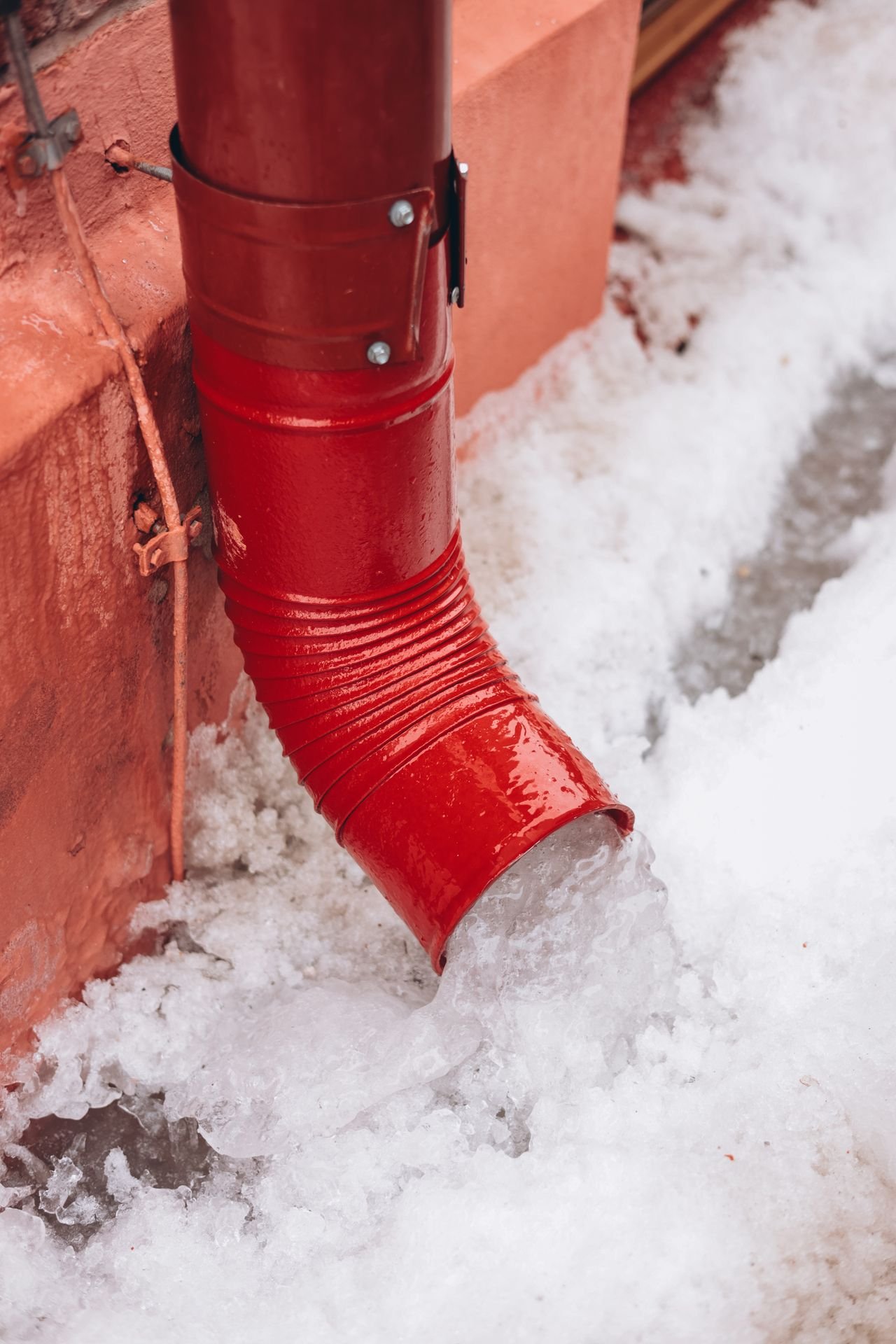
Winter weather can create serious challenges for homeowners, landlords, and tenants, especially when temperatures drop below freezing. One of the most common cold-weather plumbing problems is frozen pipes. When water inside a pipe freezes, it expands, creating pressure that can lead to cracks, leaks, or even burst pipes. The resulting water damage can be costly and disruptive, making it important to act quickly when freezing conditions occur.
Understanding what to do if your pipes are frozen can help protect your property and reduce the risk of extensive repairs. Whether you’re dealing with a frozen pipe for the first time or looking to prevent future issues, knowing the proper steps can make all the difference.
Why Pipes Freeze
Pipes freeze when temperatures fall low enough to turn the water inside them into ice. As water freezes, it expands, increasing pressure within the pipe. Even if the ice blockage itself does not damage the pipe, the pressure buildup can cause the pipe to crack or burst.
Certain areas of a property are more vulnerable to freezing, including:
- Crawl spaces
- Basements
- Attics
- Garages
- Exterior walls
- Outdoor plumbing fixtures
Pipes with little insulation or exposure to cold air are at the highest risk.
How to Tell If Your Pipes Are Frozen
Recognizing the warning signs early can help prevent serious damage.
Common indicators include:
- Little or no water coming from faucets
- Frost visible on exposed pipes
- Unusual smells coming from drains
- Strange noises when turning on faucets
- Visible bulges in pipes
If temperatures have recently dropped and you notice any of these symptoms, a frozen pipe may be the cause.
What to Do If Your Pipes Are Frozen
If you suspect a frozen pipe, taking immediate action can help restore water flow and reduce the risk of a burst pipe.
Locate the Frozen Pipe
Start by identifying which pipe is affected. If only one faucet has limited water flow, the frozen section is likely somewhere along that line.
Inspect exposed pipes in unheated areas for frost, ice, or unusually cold surfaces. Finding the frozen section can help you target your thawing efforts.
Open the Faucet
One of the first steps in understanding what to do if your pipes are frozen is to open the affected faucet.
Keeping the faucet open allows water to flow as the ice begins to melt. It also helps relieve pressure inside the plumbing system, reducing the likelihood of a pipe rupture.
Even a small trickle of water can be beneficial during the thawing process.
Apply Heat Safely
Once you’ve located the frozen section, begin warming it gradually.
Safe methods include:
- Hair dryers
- Electric heating pads
- Portable space heaters placed at a safe distance
- Warm towels soaked in hot water
- Approved electric heat tape
Start heating the pipe closest to the faucet and work your way toward the frozen area. This allows melted water to escape as the blockage clears.
Avoid using open flames, propane torches, charcoal grills, or other direct-fire heat sources. These methods can damage pipes and create significant fire hazards.
Raise Indoor Temperatures
Increasing the temperature inside the building can help speed up the thawing process.
Open cabinet doors under sinks to allow warm air to circulate around plumbing. This is especially helpful for pipes located along exterior walls where temperatures tend to be colder.
If Your Pipes Are Already Frozen
Many property owners wonder what steps to take if your pipes are already frozen and inaccessible.
If the frozen section is behind a wall, above a ceiling, or otherwise difficult to reach, professional assistance may be necessary. A licensed plumber can safely locate and thaw frozen pipes while minimizing the risk of damage.
During the thawing process, monitor the pipe carefully. If you notice dripping water or signs of leakage, shut off the main water supply immediately and arrange for repairs.
What Do You Do If Your Pipes Freeze and Burst?
A burst pipe is one of the most serious consequences of freezing temperatures.
If a pipe bursts:
- Shut off the property’s main water supply immediately.
- Turn off electricity in affected areas if water is near outlets or electrical equipment.
- Open faucets to drain remaining water from the system.
- Remove standing water as quickly as possible.
- Contact a plumber to assess and repair the damage.
Fast action can significantly reduce repair costs and prevent secondary issues such as mold growth.
How to Prevent Frozen Pipes
While it’s important to know what do you do if your pipes freeze, prevention is the most effective strategy.
Insulate Pipes
Adding insulation to exposed pipes can help protect them from freezing temperatures. Focus on pipes located in crawl spaces, garages, attics, and other unheated areas.
Seal Air Leaks
Cold air entering through cracks and gaps can increase the likelihood of frozen plumbing. Seal openings around windows, doors, vents, and utility penetrations.
Maintain Indoor Heat
Keep the thermostat set to a consistent temperature, even when the property is vacant. Sudden temperature drops inside the building can increase the risk of freezing.
Allow Faucets to Drip
During extreme cold spells, allowing a faucet to drip slightly can keep water moving through the pipes and reduce the chance of freezing.
Disconnect Outdoor Hoses
Remove garden hoses and shut off outdoor water supplies before winter weather arrives to prevent freezing in exterior plumbing.
What Do I Do If My Pipes Freeze Every Winter?
If you’re repeatedly asking, “What do I do if my pipes freeze every winter?” it may indicate a larger issue with insulation, airflow, or pipe placement.
A plumbing professional can identify vulnerable areas and recommend long-term solutions such as rerouting pipes, improving insulation, or installing heat tape. Addressing the root cause can help prevent recurring problems and reduce the risk of future water damage.
Conclusion
Knowing what to do if your pipes are frozen is essential for protecting your home or rental property during cold weather. If your pipes are already frozen, acting quickly by opening faucets, applying safe heat, and monitoring for leaks can help prevent costly damage. Understanding what do you do if your pipes freeze—and having a plan in place before winter arrives—can save time, money, and frustration. With proper maintenance and preventive measures, property owners can greatly reduce the risk of frozen and burst pipes during freezing temperatures.