
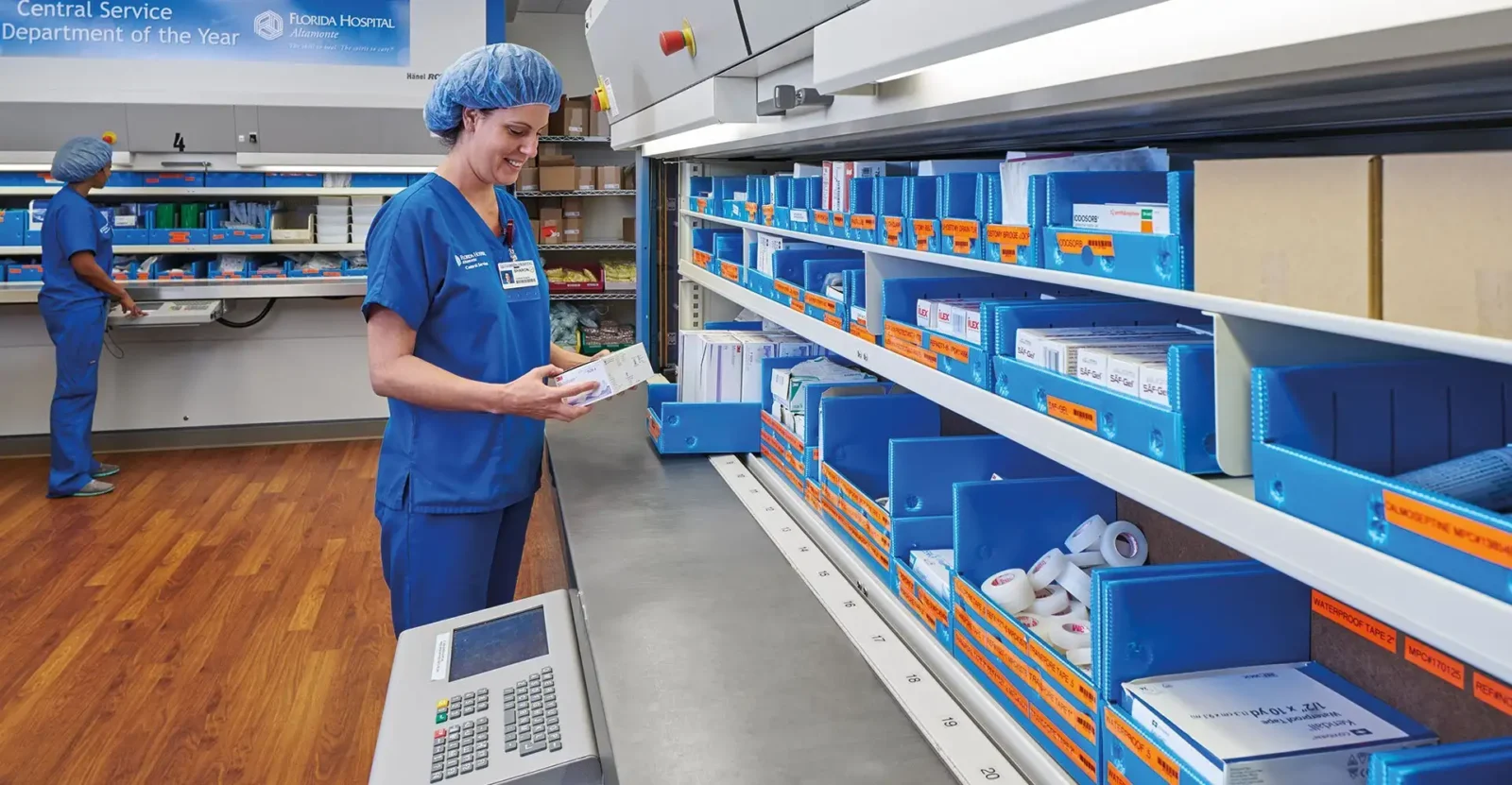
Effective storage management is critical for clinicians who need immediate access to supplies during high-pressure scenarios. A well-organized environment allows professionals to focus on patient treatment rather than searching for equipment. Implementing a structured storage approach supports operational efficiency and improves the general flow of clinical workflows.
Reducing equipment retrieval time
Efficiency relies on the ability to pinpoint gear immediately upon opening a bag. When items are grouped logically, clinicians reduce transition times between diagnosis and critical actions. Such organization is essential for rapid patient care and requires a stable system to prevent equipment from migrating or shifting inside the bag.
Minimizing cognitive load during interventions
Clinicians face immense mental strain when managing complex medical emergencies. Reducing the mental effort needed to identify tools through standardized packing significantly impacts outcomes. By utilizing consistent arrangements, practitioners can rely on muscle memory to retrieve supplies, leaving their cognitive bandwidth for complex decision-making during procedures.
Preventing cross-contamination of sterilized supplies
Maintaining a clean environment remains a top priority in every medical facility. Compartmentalization serves as a physical barrier that separates clean, sterile equipment from used or potentially hazardous materials. This rigorous segregation helps clinicians adhere to safety protocols while protecting both themselves and the patient from secondary infections.
Essential features of a medical bag with compartments
Selecting appropriate hardware makes a measurable difference in daily performance. High-quality medical bags must withstand rigorous conditions while keeping the interior environment stable. A well-designed carrier acts as a reliable partner during long shifts and demanding field operations.
Durable and disinfectant-ready materials
Equipping a facility requires materials that endure heavy usage and regular cleaning. Durable fabrics that resist tearing and moisture are necessary to protect the internal layout. Furthermore, the exterior should be compatible with standard sanitization routines to ensure infection control standards are consistently met in every setting.
Customizable interior divider configurations
Internal flexibility remains a hallmark of high-quality designs like the Line2Design EMS bag, which provides robust dividers for diverse equipment needs. These modules allow responders to tailor the internal layout to accommodate specific kit configurations. Maintaining these adjustments ensures that tools remain in predictable, secure positions regardless of movement or external pressure.
Ergonomic design for high-stress environments
Comfort during transport is as vital as the supplies stored inside. A medical bag with compartments should distribute weight evenly across the shoulders to prevent fatigue during extended operations. Ergonomic handles and adjustable strap systems are critical features for professionals required to carry significant loads over long distances at a rapid pace.
Strategies for optimizing your bag layout
Strategic layout planning transforms an empty pack into a cohesive toolset. Proper arrangement dictates how quickly a team reacts to a sudden change in patient condition. Establishing a clear visual and physical system ensures that all members of a department know exactly where to reach at all times.
Prioritizing essential airway and circulation tools
Critical tools for airway and circulation management should be placed at the forefront of the pack. These pieces of equipment are often the first needed during resuscitation efforts, and any delay in access can be detrimental. Positioning these items in highly visible pouches ensures they are never hidden under secondary equipment, such as bandages or diagnostics.
Establishing standardized locations for specific equipment
Consistency across individual kits prevents confusion during multi-clinician deployments. By ensuring every trauma bag follows the same loading pattern, teams can work interchangeably without wasting time acclimating to different arrangements. This standardization simplifies training for new staff members and ensures that equipment is consistently available.
Implementing clear categorization to minimize search time
Effective categorization relies on logical grouping to simplify navigation and supply management. A useful way to organize components involves using distinct labels or color-coded inserts to isolate specific disciplines. Consider the following common categories for your layout:
- Primary Respiratory Support tools
- Bleeding Control and Hemostasis supplies
- Basic Vital Sign Monitoring equipment
- Diagnostic and Assessment instruments
This tiered approach reduces fumbling in the field by clearly delineating where each tool resides within the larger volume of the medicine bag.
Selecting the right modular system for your specialty
Every clinical specialty demands a different storage profile depending on the frequency and type of service provided. Matching the bag to the environment is the first step in ensuring consistent material availability. Whether handling trauma or routine wellness, the modular design must reflect the actual intensity of the work performed.
Comparing soft-shell bags versus hard-shell cases
Choosing between soft-shell and hard-shell designs requires balance between flexibility and protection for sensitive tools. While soft-shell bags offer reduced weight and expandability, hard-shell cases provide superior crush resistance for delicate electronic diagnostic equipment. Assessing the risk of impact and environmental hazards is key to selecting the appropriate architecture.
Balancing load-bearing capacity with weight distribution
Volume capabilities are irrelevant if the load cannot be moved efficiently by the staff. A user must evaluate the total weight of the intended load against the physical comfort of the carry system. The following table provides a comparison of load balancing features to aid in hardware selection:
| Feature | Soft-shell | Hard-shell | Hybrid System |
| Weight | Lightweight | Moderate | Varying |
| Durability | High-denier | Impact-proof | Reinforced |
| Accessibility | High | Moderate | Balanced |
Selecting the right system ensures that weight remains manageable during long movements, protecting the clinician from physical strain while ensuring all critical supplies remain fully accessible.
Assessing the utility of removable insert modules
Modular inserts provide additional adaptability to a standard medical bag with compartments, allowing for rapid re-tasking of the kit. The North American Rescue (NAR) Mini Medic Bag utilizes internal pouches that facilitate modularity by allowing users to pull out only what is specifically required for a procedure. This approach saves time by keeping necessary stock together as a single, ready-to-use unit.
Maintenance and upkeep of organized storage systems
Organized systems only remain effective with regular oversight and a commitment to proactive maintenance. Neglecting inventory audits or failing to check equipment readiness leads to missing supplies during critical moments. A culture of consistent upkeep is the best defense against unexpected gaps in your logistical readiness.
Developing routine inventory audit protocols
Scheduled audits allow the management team to identify gaps in equipment levels before they become a crisis. Every audit cycle should verify the count against a master list while inspecting the integrity of the bag and its hardware. These cycles help refine organization by removing unnecessary duplicates or obsolete items that only serve to clutter the existing layout.
Managing expiration dates and proactive supply rotation
Many medical components have limited shelf lives that require strict environmental control and tracking. Integrating a rotation process ensures that older supplies are consistently moved to the front for use before their expiration date passes. This practice minimizes waste and ensures that no provider is ever left with compromised, ineffective materials during a procedure.
Adopting sanitization best practices for modular inserts
Modular inserts and internal pouches encounter high contact rates throughout their clinical life. These items must be cleaned according to specific antimicrobial protocols to prevent the accumulation of pathogens within the container. Regularly wiping down inserts and verifying the structural integrity of seals helps prolong the service life of an organized medical bag with compartments.
Conclusion
Implementing a structured system using a medical bag with compartments drastically improves clinical outcomes by optimizing equipment accessibility and team efficiency. By prioritizing consistent interior layouts and regular audit protocols, medical professionals create a reliable foundation for providing rapid, high-quality care in any environment.
