
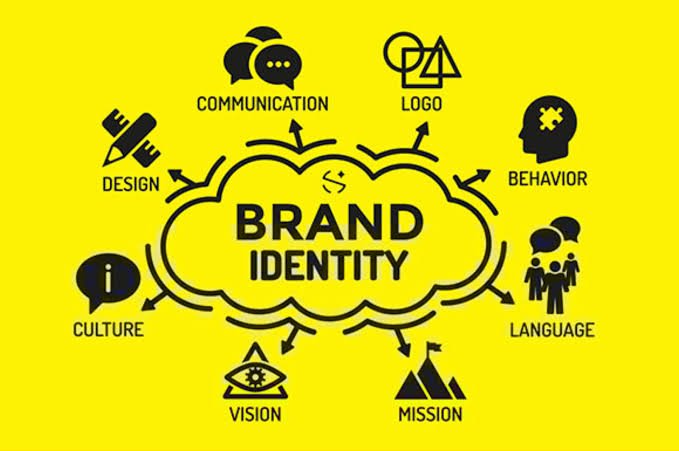
First impressions still matter but the way brands create them has changed dramatically.
Not long ago, building a visual identity meant weeks of back-and-forth with designers, endless revisions, and a process that felt out of reach for smaller businesses. Today, the landscape looks very different. Companies of every size are expected to move faster, launch sooner, and adapt more often. In that environment, branding can no longer be treated as a one-time project.
The shift isn’t about replacing creativity. It’s about making great design more accessible and helping businesses turn ideas into recognizable identities with less friction. That’s one reason more creators and teams are exploring tools that simplify the process of creating an AI logo without sacrificing quality or originality.
Branding Has Entered a Faster Era
A logo used to be viewed as something permanent a symbol that would stay unchanged for years, sometimes decades.
That still happens for established global brands, but for many modern businesses, branding has become more fluid.
Think about startups testing new markets, creators launching side projects, local businesses expanding online, or e-commerce stores introducing seasonal campaigns. These brands often need visuals that evolve alongside their audience.
The challenge is obvious: speed can’t come at the expense of credibility.
People form opinions almost instantly. A weak or inconsistent visual identity creates hesitation. A clear and memorable identity creates trust.
That’s why the conversation around logo creation has changed from “Who can design this?” to “How can we build something effective quickly and refine it over time?”
Why Visual Identity Matters More Than Ever
Competition isn’t limited to large corporations anymore.
A local coffee business competes for attention on the same social platforms as multinational chains. Independent consultants share space with established firms. Online stores appear beside household names.
In that environment, visual consistency becomes a shortcut for trust.
Strong logos often succeed because they communicate three things immediately:
- Professionalism
- Recognition
- Intent
People rarely analyze these qualities consciously. They simply feel whether a brand appears established and reliable.
That emotional response matters.
When someone discovers a business through a social post, a news mention, or a recommendation, the visual presentation becomes part of the decision-making process.
The Rise of Accessible Creative Tools
Creative technology has lowered barriers that once limited branding to companies with large budgets.
That doesn’t mean professional designers are disappearing. In reality, design expertise remains incredibly valuable.
What’s changed is who gets access to early-stage creativity.
Entrepreneurs can experiment before committing to a final direction. Teams can generate concepts faster. Individuals can visualize ideas they may have struggled to communicate previously.
This shift mirrors what happened in photography, publishing, and video editing: tools became easier to use, while creative standards continued to rise.
The result?
More people participate in building brands, but quality still matters.
What Makes a Modern Logo Effective?
A logo doesn’t need to be complicated.
Some of the most recognizable identities in the world rely on simplicity.
The strongest designs often share a few characteristics:
Clarity
People should understand and remember it quickly.
Overcomplicated logos create confusion instead of recognition.
Flexibility
A modern logo appears across websites, mobile screens, packaging, social media, and sometimes physical locations.
If it only works in one format, it limits growth.
Personality
Brands don’t need to look identical to competitors.
Color choices, typography, spacing, and symbols all influence perception.
A financial service may emphasize stability. A creative agency may lean toward boldness and movement.
Longevity
Trendy designs can age quickly.
Good branding leaves room to evolve without requiring a complete reset every year.
Real-World Thinking: Start Small, Refine Later
One common mistake businesses make is waiting for the “perfect” identity before launching.
Perfection often delays momentum.
Many successful companies started with branding that looked very different from what people recognize today.
What mattered wasn’t having the final version on day one.
What mattered was:
- Starting with a clear idea
- Maintaining consistency
- Listening to audience feedback
- Improving intentionally
A logo should support growth, not prevent it.
If early branding helps customers remember you and creates a professional impression, it has already done meaningful work.
Practical Tips for Building a Brand People Remember
If you’re creating or refreshing a brand identity this year, focus on fundamentals.
Define Your Audience First
Before choosing fonts or symbols, ask:
Who are you trying to reach?
A brand aimed at corporate buyers will likely communicate differently than one built for Gen Z consumers.
Test Before Finalizing
Show concepts to people outside your immediate circle.
Ask simple questions:
- What does this brand seem to do?
- Does it feel trustworthy?
- What emotion comes to mind?
You’ll often learn more from reactions than preferences.
Keep Consistency Across Channels
Your website, social media profiles, newsletter visuals, and promotional materials should feel connected.
Recognition builds over repeated exposure.
Avoid Following Every Trend
Minimalism, gradients, retro styling trends come and go.
Use them carefully.
Strong identities survive changing aesthetics because they communicate something deeper than fashion.
The Future of Branding Is More Flexible Not Less Creative
Technology hasn’t removed creativity from branding.
It has changed where creativity begins.
Businesses now have more opportunities to experiment, iterate, and create identities that match the speed of modern markets. That flexibility opens doors for entrepreneurs, creators, and teams who previously felt locked out of professional design processes.
The brands that stand out in 2026 won’t necessarily be the ones with the biggest budgets.
They’ll be the ones that communicate clearly, adapt intelligently, and create experiences people remember long after the first impression.
