
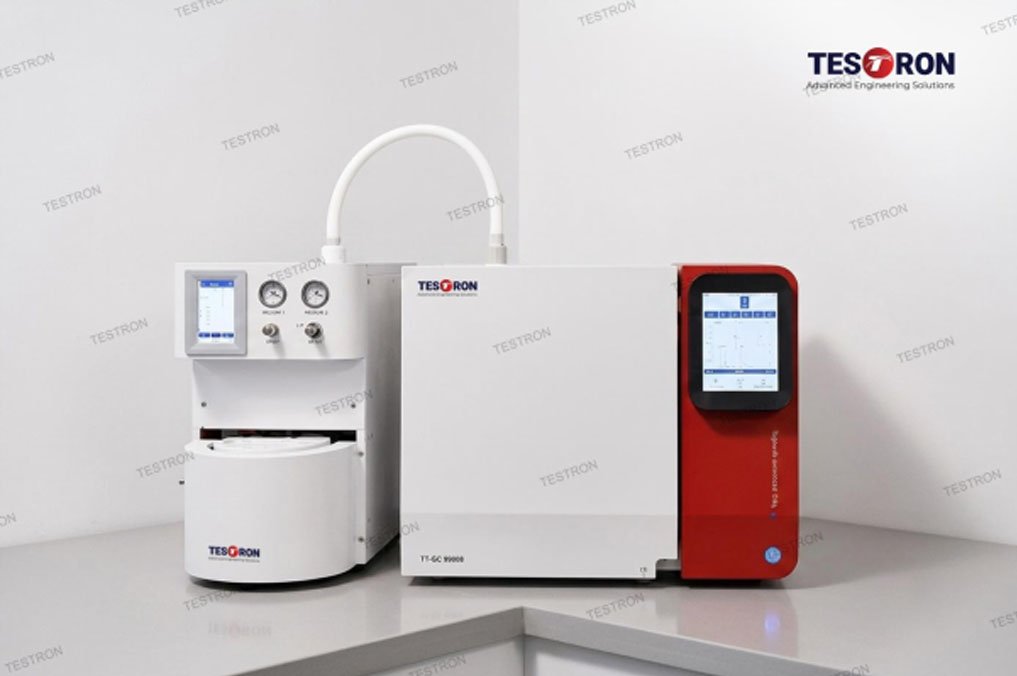
Gas Chromatography (GC) is one of the most commonly employed technologies in the separation and analysis of volatile and semi-volatile chemicals. This technology has a very significant role to play in laboratories where high accuracy and consistency of results depend on precise analytical performance of this instrument. Selecting the correct gas chromatograph should involve assessing the capabilities of its detection, pressure control, software, and special application-specific needs.
The proper assessment of gas chromatography in the UK involves more than just considering its basic specification. In order to select the appropriate gas chromatography system, it is important to consider its capabilities in terms of providing consistent analytical results and flexibility in performing various tests.
Understanding How Gas Chromatography Works in the UK
The Gas Chromatography Principle
The gas chromatography principle involves four primary stages:
- Sample injection into the system
- Vaporization inside the injector
- Separation within the analytical column
- Detection and data acquisition
The compounds exiting the column are then converted to electrical pulses by the detector. Using specialized software, these pulses are analyzed to produce chromatograms, which enable the laboratories to identify and measure each compound.
The above steps facilitate the production of highly reproducible analysis results by the gas chromatography analyzer.
Why Detector Selection Matters
The effectiveness of the detector influences sensitivity and precision of the analysis. Many gas chromatography detectors are available depending on the substances to be analyzed. The gas chromatography flame ionization detector (FID) is among the most popular detectors used nowadays.
A gas chromatography FID detector offers several advantages:
- High sensitivity for hydrocarbons
- Wide linear dynamic range
- Stable analytical performance
- Excellent repeatability
- Fast response times
When selecting a detector for your gas chromatography equipment, the choice is not limited to sensitivity but also entails matching analytical capabilities with the characteristics of substances being tested. Elsevier’s overview on ScienceDirect confirmed that gas chromatography with the flame ionization detection method (GC/FID) is one of the preferred methods in peer-reviewed publications for hydrocarbon analysis due to its reliability, wide linear response and good performance in other organic solutions.
The reliability and dynamic range of the GC/FID detector make it a suitable choice for labs specialized in environmental samples, petroleum exploration and implementation of routine quality control tests.
Essential Features to Look for in a Gas Chromatography System
Injection and Pressure Control
Proper sampling is vital for the reproducibility of chromatographic results. Contemporary gas chromatography equipment usually utilizes Electronic Pressure Control (EPC), which enables laboratories to maintain constant carrier gas pressure.
Advanced pressure control systems help provide:
- Stable carrier gas flow
- Improved retention time repeatability
- Reduced analytical variation
- Better method reproducibility
- Consistent instrument performance
During gas chromatography in the UK, precise pressure regulation becomes particularly important when laboratories perform routine quality control testing or develop analytical methods requiring highly repeatable operating conditions.
Detector Performance and Data Accuracy
Detector specifications significantly influence the analytical capabilities of a gas chromatography machine. In addition to sensitivity, laboratories should evaluate detector stability, response speed, dynamic range, and data acquisition performance.
Important characteristics to consider include:
- High detector sensitivity
- Wide linear dynamic range
- Automatic flame ignition (for FID systems)
- Continuous detector monitoring
- Multiple data acquisition rates
Selecting the Right Gas Chromatography Equipment for Your Laboratory
The process of selecting the appropriate GC equipment starts by comprehending the needs of your laboratory in terms of testing. Each industry analyzes different substances, so the selection of the material test equipment should be based on the purpose of its use, not just general specifications.
Match the Instrument to Your Testing Requirements
While research laboratories usually need highly versatile instruments for developing and conducting analysis methods, quality control laboratories focus more on reliability, speed, and accurate analysis.
For laboratories dealing with the production of PET, the appropriate instrument will be a PET AA Analyzer. Similarly, an AA Analyzer machine provides precise quantitative analysis where accurate acetaldehyde determination is required for production and quality assurance.
Before selecting an instrument, laboratories should evaluate:
- Types of samples being analyzed
- Required detection limits
- Testing frequency
- Future analytical requirements
- Applicable industry standards
Matching the instrument to these requirements helps improve long-term laboratory efficiency while reducing unnecessary operational costs.
Evaluate Technical Support and Consumables
Analytical reliability also depends on maintaining the equipment and having quality consumables. Maintenance, calibration, and replacement of wear parts will contribute to sustaining reliable instrument performance.
When choosing material testing equipment manufacturer, suppliers, and laboratories need to take into account the following:
- Availability of gas chromatography supplies
- Preventive maintenance programs
- Calibration support
- Technical documentation
- Operator training
- Spare parts availability
Getting in touch with experienced gas chromatography suppliers helps avoid breakdowns and ensures consistent work of the equipment.
Factors That Influence Long-Term Laboratory Performance
The well-constructed gas chromatography system should keep working effectively as the laboratory needs change.
Important factors to evaluate include:
- Analytical precision and repeatability
- Detector sensitivity and stability
- Flexible method development capabilities
- Automated instrument operation
- Ease of maintenance and calibration
- Software functionality and data management
- Compliance with laboratory quality standards
Many research and quality control laboratories also operate complementary testing instruments depending on their application. Equipment such as a falling weight impact tester or a drop weight impact testing machine may be used alongside chromatographic systems to evaluate the physical and mechanical properties of materials as part of broader quality assurance programs.
Choose the Right Gas Chromatography System for Reliable Analysis
The process of selecting the right type of gas chromatography technology goes beyond simply considering technical specifications. There are a number of aspects that should be considered, including the type of detector technology, pressure control, automation, analytical performance, software capabilities, and subsequent technical assistance.
A good material testing equipment manufacturer can improve laboratories’ performance since a quality supplier is able to provide instruments necessary for various laboratory purposes as well as technical assistance.
