
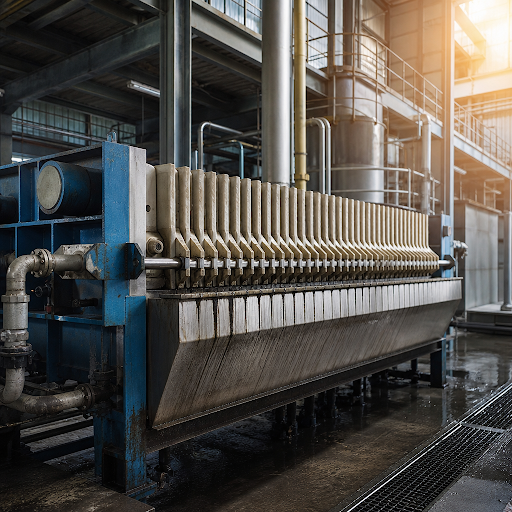
Industrial operations across the globe are under mounting pressure to reduce capital expenditure without compromising output quality or regulatory compliance. In this environment, the decision to invest in pre-owned process equipment has shifted from a last resort to a calculated strategic move. Among the most sought-after pieces of refurbished machinery, filtration systems — particularly filter presses — have emerged as a cornerstone of cost-effective liquid-solid separation. Whether in food processing, mining, pharmaceuticals, or wastewater treatment, these machines deliver consistent performance at a fraction of the cost of new units. Understanding why this market is growing, and what buyers should look for, is essential for any procurement or operations manager navigating today’s industrial landscape.
The Industrial Case for Pre-Owned Filtration Equipment
Capital budgets in manufacturing and processing facilities are rarely generous. When a plant needs to expand filtration capacity or replace aging equipment, the cost of brand-new machinery can be prohibitive. This is where the secondary equipment market plays a vital role. Pre-owned filter presses, when properly inspected and refurbished, offer the same mechanical reliability as new units while delivering significant savings — often between 40 and 70 percent of the original purchase price.
Beyond cost, lead times for new custom-built filtration equipment can stretch to several months. A used unit that is already in inventory and ready for inspection can be commissioned in a matter of weeks. For facilities dealing with urgent capacity needs or unexpected equipment failures, this speed advantage is often the deciding factor.
Applications Driving Demand for Filter Presses
Filter presses are workhorses across a remarkably diverse range of industries. In municipal and industrial wastewater treatment, they are used to dewater sludge, reducing disposal volumes and associated costs. In the mining sector, they separate valuable minerals from slurry, improving yield and reducing environmental impact. Chemical manufacturers rely on them to isolate solid by-products from liquid streams, while food and beverage producers use them for clarification and juice extraction. The pharmaceutical industry depends on their precision for separating active compounds during production. This cross-sector demand ensures a healthy supply of used units entering the market as facilities upgrade or consolidate operations.
What to Evaluate When Purchasing a Used Filter Press
Not all pre-owned filter presses are created equal. A thorough evaluation process is essential before committing to a purchase. The first area to assess is the condition of the filter plates. These are the heart of the machine, and damaged, warped, or cracked plates will compromise filtration efficiency and may require costly replacement. Buyers should request a full plate count and inspect for signs of chemical degradation or physical damage.
The hydraulic system deserves equal scrutiny. Leaks, worn seals, or a failing hydraulic pump can lead to inconsistent closing pressure, which directly affects cake dryness and cycle times. The frame and manifold should be checked for corrosion, particularly if the unit previously handled aggressive chemical slurries. Finally, the control system — whether manual, semi-automatic, or fully automated — should be tested to confirm it operates correctly and can be integrated with existing plant control infrastructure.
The Role of Reputable Suppliers in Quality Assurance
Sourcing used process equipment from a reputable dealer significantly reduces the risk associated with pre-owned purchases. Established suppliers maintain detailed equipment histories, conduct thorough inspections, and often offer warranties or service agreements that provide buyers with additional confidence. They can also assist with technical specifications, helping buyers match the right press size, plate configuration, and material construction to their specific process requirements. This level of expertise is difficult to replicate when purchasing through auction or private sale channels.
International Process Plants: A Trusted Source for Used Filter Presses
When sourcing pre-owned filtration equipment, working with an experienced and well-stocked supplier makes all the difference. International Process Plants has built a strong reputation in the secondary process equipment market, offering a broad inventory of industrial machinery across multiple sectors. For facilities in need of reliable liquid-solid separation solutions, their selection of used filter press units represents an excellent opportunity to acquire high-quality equipment at competitive prices. Each unit in their inventory is carefully evaluated, and their team provides the technical support necessary to ensure buyers select the right equipment for their operational needs.
Parallels in Efficiency: How Other Industries Leverage Proven Technology
The principle of maximizing productivity through smart equipment choices is not unique to the process industries. In agriculture, for example, operators have long understood that the right attachments and machinery configurations can dramatically improve output without requiring entirely new capital investment. A detailed look at Kubota tractor attachments that transform modern farm productivity illustrates how purpose-built tools, whether new or adapted from existing platforms, can unlock significant gains in operational efficiency. The same logic applies to industrial filtration: selecting the right press configuration for a specific application is as important as the equipment’s condition or price point.
Engineering Precision as a Common Thread
Across industries, the most successful operations share a commitment to engineering precision. In high-performance automotive applications, this principle reaches its most extreme expression. The development of advanced fuel delivery systems for motorsport, for instance, demonstrates how precision engineering under demanding conditions translates into broader technological advances. Research into Marelli’s Formula 1 fuel pump technology powering Alfa Romeo highlights how innovations born in extreme environments eventually find their way into mainstream industrial applications. The same trajectory can be observed in filtration technology, where advances in plate materials, membrane designs, and automation have steadily improved the performance of both new and refurbished equipment.
Sustainability and the Circular Economy in Process Equipment
There is a growing recognition within the industrial sector that purchasing used equipment is not merely a financial decision — it is also an environmentally responsible one. Manufacturing new heavy industrial machinery requires significant raw materials and energy. By extending the operational life of existing equipment through refurbishment and resale, the industry reduces its overall environmental footprint. For companies with sustainability targets or ESG reporting obligations, sourcing pre-owned process equipment can contribute meaningfully to their environmental performance metrics.
Filter presses, given their robust construction and long service lives, are particularly well-suited to this circular economy model. A well-maintained press can serve multiple facilities across decades, delivering consistent performance throughout its operational life when properly serviced and fitted with replacement consumables such as filter cloths and seals.
Conclusion: Making the Right Investment in Filtration Capacity
The decision to invest in a used filter press is one that rewards careful research, thorough due diligence, and partnership with knowledgeable suppliers. For operations managers and procurement professionals, the secondary equipment market offers a compelling combination of cost savings, rapid availability, and proven performance. As industries continue to face pressure to do more with less, the strategic acquisition of pre-owned filtration equipment will remain a cornerstone of smart capital planning. By focusing on equipment condition, supplier credibility, and application fit, buyers can secure reliable filtration capacity that supports their operations for years to come.