
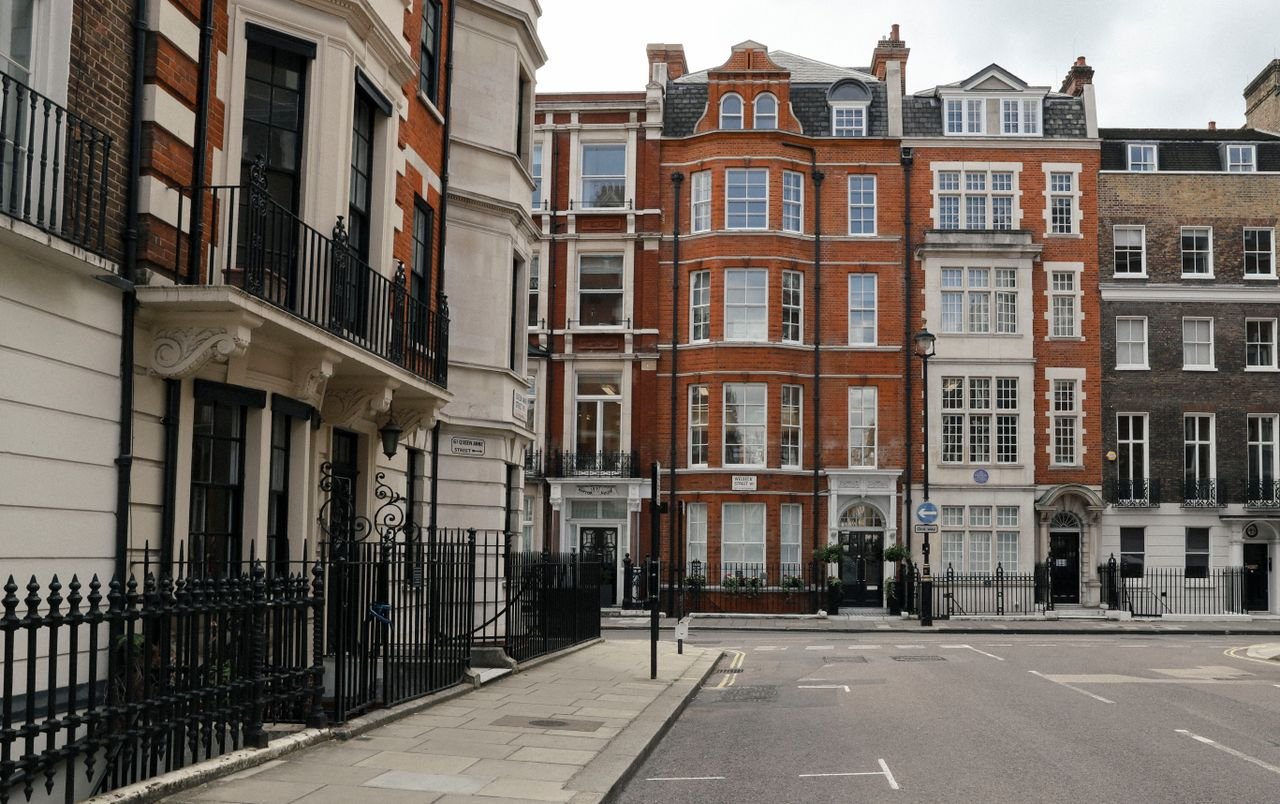
Period properties have a particular appeal in Wiltshire. From traditional stone cottages to Victorian terraces and Georgian townhouses, their character can attract tenants looking for something beyond a standard rental. However, maximising returns from these properties requires more than simply setting an attractive rent. With the Renters’ Rights Act 2025 changes now in force, landlords need to balance local demand, property upkeep and regulatory responsibilities. Working with trusted letting agents in Wiltshire can help make that balance considerably easier.
1. Understanding Wiltshire’s Period Property Investment Landscape
Location remains one of the biggest influences on rental performance. Chippenham, Devizes, Corsham and Malmesbury each attract different types of tenants, so landlords should avoid treating the Wiltshire rental market as one uniform market.
Chippenham, for example, can benefit from commuter demand, while Malmesbury’s historic character can make period homes particularly appealing to tenants who value architectural features and a distinctive setting. Devizes also offers strong appeal for tenants seeking established communities and character properties.
Corsham is another market worth watching. House prices averaged £395,620 over the last year, with semi-detached properties averaging £380,450, detached homes £520,408 and terraced properties £311,682. Overall, sold prices were 4% higher than the previous year and 3% above the 2023 peak.
For landlords, this highlights why local market evidence matters. Rental positioning should reflect the property’s location, condition, size and character rather than relying on a broad regional average. A carefully researched asking rent can help maximise income while remaining competitive.
2. Modernising Heritage Properties Without Losing Their Character
Improving an older property can be more complicated than upgrading a modern home. Listed buildings and properties within conservation areas may have restrictions that affect what landlords can change.
The answer is not necessarily extensive renovation. Smaller, sympathetic improvements can help enhance energy performance while retaining period features. Depending on the property, these could include draught-proofing, secondary glazing and suitable insulation approaches using traditional, breathable materials such as lime-based finishes.
Before carrying out work, landlords should establish whether planning permission or listed-building consent is required. The aim should be to improve the property’s performance without damaging its architectural character or creating future compliance problems.
This is particularly important as energy efficiency continues to influence the long-term costs and marketability of rental properties.
3. Controlling Maintenance Costs and Protecting Asset Value
Period properties can come with higher maintenance requirements. Traditional roofs, ageing windows, gutters, masonry and damp-related issues can all become expensive if problems are allowed to develop.
A preventative maintenance plan can therefore be more valuable than reacting to problems as they appear. Regular inspections can identify smaller defects before they turn into major repairs, while a dedicated sinking fund can help landlords prepare for larger expenditure.
The Renters’ Rights Act also makes proactive tenancy management increasingly important. From 1 May 2026, assured tenancies moved to rolling periodic arrangements, with fixed terms no longer applying to assured tenancies. Section 21 notices can no longer be used, and landlords must instead rely on valid grounds for possession through the Section 8 process.
Rent increases also need careful handling. Rent review clauses cannot be used for new increases after 1 May 2026. Landlords must instead use the Section 13 process, can generally increase rent only once a year, and must provide at least two months’ written notice using Form 4A. Any increase must not exceed the open market rent.
4. Using Professional Letting Expertise to Maximise Returns
Managing a period property successfully now requires a combination of market knowledge, maintenance planning and regulatory awareness.
A professional letting agent can regularly review rental performance, advise on market positioning, coordinate maintenance and help landlords navigate changing tenancy requirements. This can be particularly valuable for period properties where maintenance decisions and rental pricing require a more considered approach.
For landlords with several properties, regular portfolio reviews can also identify opportunities to improve income, reduce unnecessary expenditure and minimise avoidable void periods.
The objective is not simply to achieve the highest possible rent. Sustainable returns come from keeping the property desirable, maintaining its condition and managing the tenancy correctly.
For period property landlords across Wiltshire, combining local market insight with structured property management can help protect both rental income and long-term asset value.