
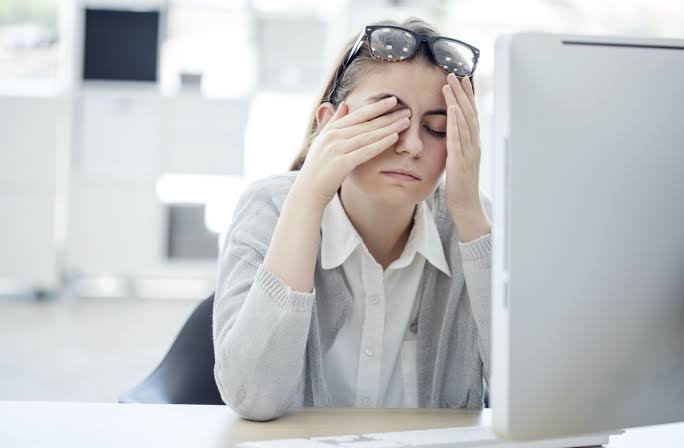
Most of us spend the better part of our day staring at a screen, whether it’s a laptop at the office, a phone during the commute, or a tablet propped up on the kitchen counter after dinner. It’s easy to brush off the tired, gritty feeling in your eyes by the time evening rolls around. But that discomfort has a name, and it’s more common than people realise.
What Screen Fatigue Actually Feels Like
Digital eye strain, often called screen fatigue, shows up in a few predictable ways. Your eyes might feel dry or itchy. You might notice blurred vision that clears up once you look away from your screen for a moment. Headaches, especially around the temples or behind the eyes, are another common sign. Some people also report neck and shoulder tension, which usually comes from leaning closer to a screen to compensate for eye strain.
The tricky part is that these symptoms build slowly. You don’t wake up with screen fatigue. It creeps in over weeks and months of habits that seem harmless on their own.
Why Modern Work Makes It Worse
The average office worker now spends around seven hours a day looking at a screen, and that number climbs higher for anyone in a fully remote or hybrid role. Add in personal screen time on top of that, and the total can easily reach ten or eleven hours.
Part of the problem is how screens change the way we blink. Under normal conditions, people blink around fifteen to twenty times a minute. When focused on a screen, that rate can drop by half. Fewer blinks means less moisture spread across the eye, which leads to the dryness and irritation that so many desk workers describe.
Lighting plays a role too. Many home offices and shared workspaces rely on harsh overhead lighting or screens set at a brightness that clashes with the room around them. That contrast forces your eyes to work harder just to adjust, hour after hour.
The Habits Making Things Worse Without You Noticing
A few everyday routines quietly add to the problem.
Sitting too close to the screen. Most people position their monitor closer than the recommended arm’s length away, which increases the effort your eyes need to focus.
Skipping breaks. The well-known 20-20-20 rule, looking at something twenty feet away for twenty seconds every twenty minutes, works because it gives your eye muscles a genuine rest. Few people actually stick to it.
Poor air quality. Air conditioning and heating both dry out indoor air, which speeds up tear evaporation and leaves eyes feeling gritty by mid-afternoon.
Wearing the wrong prescription. An outdated glasses or lens prescription forces your eyes to strain constantly, even during simple tasks like reading an email.
Ignoring blue light exposure. While the science on blue light is still developing, many people find that screens used late into the evening make it harder to wind down and get quality sleep, which in turn leaves eyes feeling more tired the next day.
Simple Changes That Actually Help
The good news is that most of the fixes for screen fatigue are practical and don’t require a complete lifestyle overhaul.
Start with your workspace setup. Position your screen roughly an arm’s length away and slightly below eye level, so you’re looking down rather than straight ahead. This small adjustment reduces the amount of eye surface exposed to air, which helps with dryness.
Adjust your lighting so it matches your screen brightness as closely as possible. A desk lamp with warm, adjustable light can make a noticeable difference compared to a single overhead fixture.
Build breaks into your day on purpose rather than hoping you’ll remember. Setting a recurring timer for the 20-20-20 rule takes the guesswork out of it.
For anyone who wears contact lenses, comfort and hydration matter just as much as prescription strength when it comes to reducing eye strain. Lenses that are designed for longer, more comfortable wear, such as extended wear contact lenses, can be a practical option for people who spend long stretches of the day looking at screens and want fewer interruptions from dryness or discomfort. Choosing the right lens type, alongside good screen habits, can make a real difference to how your eyes feel by the end of a working day.
Diet and hydration also play a part. Drinking enough water throughout the day supports tear production, and foods rich in omega-3 fatty acids, like salmon and walnuts, have been linked to better tear film quality.
When to See an Eye Care Professional
Most screen fatigue responds well to the changes above, but persistent symptoms are worth mentioning to an optometrist. Ongoing headaches, vision that stays blurry even after rest, or eyes that remain red and irritated despite good habits could point to something that needs a proper eye exam, such as an outdated prescription or an underlying dry eye condition.
Regular eye checks are especially important for anyone who spends most of their working hours in front of a screen. Catching small changes early makes it much easier to manage comfort long term, rather than waiting until symptoms become disruptive.
The Bottom Line
Screen fatigue isn’t something to push through and ignore. It’s a physical response to genuine strain, and the habits causing it are baked into how most of us work today. Small, consistent adjustments to your workspace, breaks, and eye care routine can ease the discomfort considerably. Paying attention to how your eyes feel by the end of the day is one of the simplest ways to protect your long-term eye health while still keeping up with the demands of modern work.