
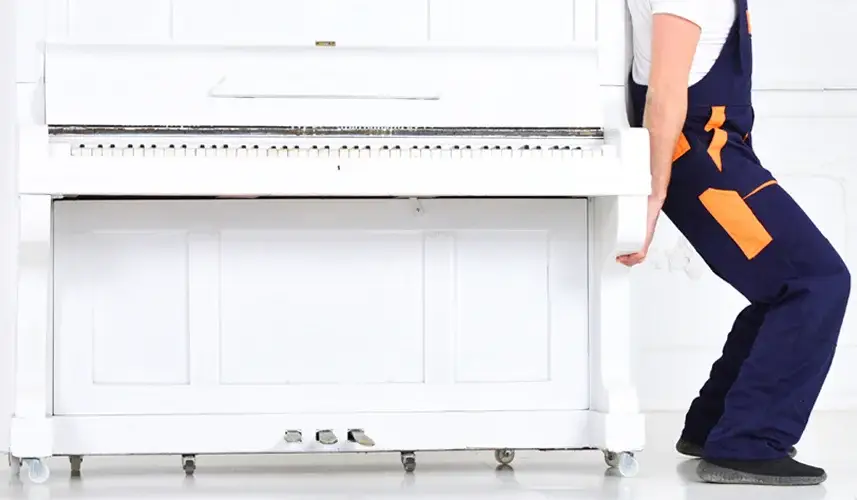
Moving an upright piano requires careful planning, proper equipment, and specialized handling techniques. Unlike ordinary furniture, an upright piano is a delicate musical instrument with a complex internal structure, heavy frame, and sensitive components that can easily be damaged if handled incorrectly. Although upright pianos are smaller than grand pianos, they are still extremely heavy and difficult to move safely without the right knowledge and preparation.
Many piano owners assume that because an upright piano has a compact design, it can be moved using basic household moving methods. However, its weight distribution, fragile internal mechanisms, and awkward shape make transportation challenging. A small mistake during the moving process can result in scratches, broken parts, damage to the flooring, or even personal injuries. This is why careful planning and professional assistance are often necessary when relocating an upright piano.
Whether you are moving an upright piano to another room, transferring it to a new home, or transporting it to a different building, understanding the correct process can help protect the instrument and make the move more efficient. With proper preparation, suitable equipment, and experienced handling, an upright piano can be relocated safely while maintaining its condition and performance quality.
Understanding the Structure of an Upright Piano
An upright piano is designed differently from other household items because it contains hundreds of moving parts that work together to create sound. Inside the wooden cabinet are strings, hammers, pedals, keys, and other delicate mechanisms that require stability and protection.
The vertical design of an upright piano saves space compared to a grand piano, making it popular for homes, schools, studios, and smaller performance areas. However, this design also creates unique moving challenges. The piano is tall, heavy, and often difficult to grip securely, especially when navigating narrow hallways, stairs, and doorways.
The internal components are extremely sensitive to sudden impacts and rough movement. Even if there is no visible exterior damage after a move, improper handling can affect tuning, key movement, or overall sound quality. Proper moving methods help prevent these problems and keep the instrument functioning correctly.
Why Upright Piano Moving Is More Complicated Than Regular Furniture Moving
Furniture such as tables, chairs, and cabinets can often be lifted, tilted, or adjusted easily during transportation. An upright piano is much more complicated because its weight cannot be handled in the same way. The instrument’s center of gravity and heavy construction require specific techniques to maintain balance.
One of the biggest challenges is controlling the piano while moving it through tight spaces. Door frames, corners, staircases, and uneven surfaces can create serious obstacles. Without proper planning, the piano may collide with walls or become unstable during movement.Another challenge is protecting the piano’s exterior. The wooden finish can easily be scratched or damaged if it comes into contact with rough surfaces. Professional movers use protective coverings and specialized tools to reduce these risks.Preparation is one of the most important steps in ensuring a successful piano relocation. Before moving day, the piano should be inspected carefully to identify any existing damage or weak areas. This helps owners understand the instrument’s condition before transportation begins.
The area around the piano should be cleared to create a safe working space. Rugs, decorations, furniture, and other obstacles should be removed from the moving path. Measuring doorways, hallways, and staircases in advance helps determine whether additional planning is required.The piano itself should be properly secured before movement begins. Parts such as the keyboard cover and music stand should be protected or locked into place. Professional movers typically wrap the instrument with thick padding to protect the finish from scratches, dents, and accidental impacts.
Equipment Needed for Safe Upright Piano Moving
Moving an upright piano safely requires more than physical strength. Specialized equipment helps control the instrument and prevents accidents. Professional piano movers use tools designed specifically for heavy musical instruments.
A piano dolly is one of the most important pieces of equipment used during transportation. It allows the piano to be moved smoothly across floors while distributing weight evenly. Moving straps provide additional support and help maintain control when lifting or positioning the instrument.
Protective blankets, padding materials, ramps, and secure transportation methods are also essential. Using the correct equipment reduces the risk of damage and makes the process safer for both the piano and the movers.Although some people consider moving an upright piano themselves, the process involves significant risks. A lack of experience can lead to injuries, property damage, or expensive repairs to the instrument.
Professional movers understand how to handle the weight and structure of upright pianos. They are trained in lifting techniques, route planning, and safe transportation practices. Their experience allows them to identify potential challenges before they become problems.Hiring professionals also saves time and reduces stress. Instead of trying to coordinate multiple people and equipment, piano owners can rely on trained specialists who understand how to complete the job efficiently.
Moving an Upright Piano Downstairs or Through Narrow Areas
Stairs are among the most difficult challenges during upright piano transportation. The combination of heavy weight, limited space, and uneven surfaces requires careful control. Attempting to move a piano down stairs without proper techniques can be dangerous.
Professional movers evaluate staircases before beginning the move. They determine the safest angle, position, and equipment needed to prevent sudden movement. Proper communication between team members is also essential when navigating difficult areas.
Narrow hallways and doorways require similar attention. Sometimes doors need to be removed temporarily, or special positioning techniques are required to move the piano safely without causing damage.Transportation is another critical stage of the moving process. After the piano has been safely removed from its original location, it must be secured properly inside the moving vehicle.
The piano should be positioned carefully to prevent shifting during travel. Sudden movements, vibrations, and impacts can affect the instrument if it is not properly secured. Professional movers use protective materials and secure placement methods to keep the piano stable.Weather conditions should also be considered. Extreme temperatures and humidity changes may affect the wood and internal components. Protecting the instrument from harsh conditions helps maintain its quality.
Common Mistakes to Avoid When Moving an Upright Piano
One of the biggest mistakes people make is attempting to move an upright piano with only a few people and no specialized equipment. Even if the move appears successful, hidden damage may occur due to improper handling.Another common mistake is dragging the piano across the floor. This can damage flooring and put unnecessary pressure on the piano structure. Using proper moving equipment prevents these issues.
Failing to plan the moving route is another problem. Unexpected obstacles can create dangerous situations. Measuring spaces and preparing the pathway before moving begins makes the process much safer.After an upright piano has been moved, it is important to allow it time to adjust to its new environment. Changes in temperature and humidity can affect the instrument’s tuning and performance.
Many experts recommend scheduling a professional tuning after the piano has settled. Transportation can slightly change string tension, which may affect the sound quality.The piano should also be placed carefully in its new location. Keeping it away from direct sunlight, heating vents, and areas with extreme temperature changes helps protect the instrument over time.
How to Choose the Right Piano Moving Company
Selecting an experienced moving company is one of the most important decisions when relocating an upright piano. Not all moving companies specialize in musical instruments, so it is important to choose professionals with specific piano-moving experience.
A reliable company should have trained staff, proper equipment, and a strong reputation for handling delicate instruments. Customer reviews, recommendations, and previous experience can help determine whether a company provides quality service.
Insurance coverage is also an important consideration. A professional piano moving company should have appropriate protection to provide confidence during the transportation process.Clear communication is equally valuable. A good moving company should explain the process, answer questions, and provide information about preparation requirements and scheduling.
Conclusion
Upright piano moving requires careful preparation, specialized equipment, and professional expertise. Although upright pianos are designed to be space-efficient, they remain heavy and delicate instruments that need proper handling during relocation.
From protecting the exterior and securing internal components to navigating stairs and transporting the instrument safely, every step of the process matters. Attempting to move an upright piano without experience can create unnecessary risks, while professional movers provide the skills needed to complete the task safely.
A well-planned upright piano move protects the instrument’s beauty, performance, and long-term value. By choosing experienced professionals and following proper preparation steps, piano owners can ensure their treasured instrument arrives safely and continues creating music for many years.
