
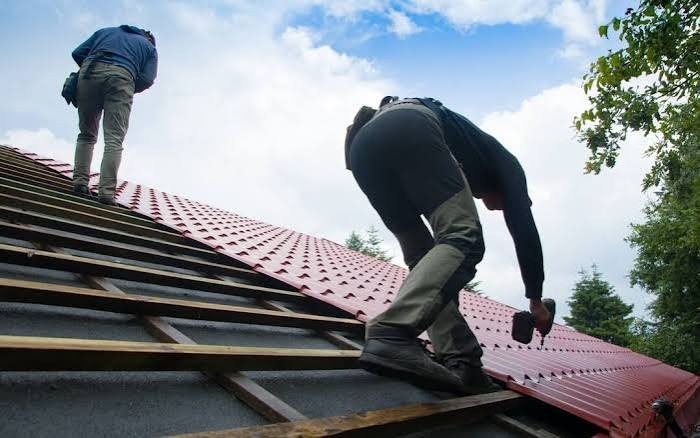
A roof is one of the most important components of any building because it provides protection against weather conditions, supports energy efficiency, and helps maintain the overall structural integrity of a property. Over time, even the highest-quality roofing materials can experience wear due to age, storms, moisture exposure, temperature changes, and regular environmental stress. When repairs are no longer enough to restore performance, replacing the roof becomes a necessary investment.
Roof replacement is a significant improvement project that involves removing an existing roofing system and installing a new one designed to provide reliable protection for many years. A properly completed replacement project can improve safety, enhance curb appeal, increase property value, and reduce the risk of future damage. Understanding the signs of roof failure, the replacement process, material options, and maintenance requirements helps property owners make informed decisions.
Understanding When a Roof Needs Replacement
Determining the right time for a roof replacement requires careful evaluation of the roof’s condition. While some roofing problems can be repaired, others indicate that the system has reached the end of its useful life and requires complete replacement.
One common sign is advanced aging. Most roofing materials have a limited lifespan, and older roofs become more vulnerable to leaks, structural weakness, and material deterioration. Even if damage is not immediately visible, an aging roof may no longer provide dependable protection.
Frequent repairs are another indication that replacement may be a better long-term solution. Continuously repairing small issues can become expensive over time, especially when the underlying roofing system continues to deteriorate.
Visible damage such as missing shingles, widespread cracks, sagging areas, or damaged flashing may also suggest serious problems. These issues can allow water to enter the structure and cause damage to insulation, ceilings, walls, and other building components.A professional roof inspection provides valuable information about whether repairs are sufficient or whether a complete replacement is the more practical option.
Common Reasons for Roof Deterioration
Roofs are constantly exposed to outdoor conditions, making them vulnerable to many sources of damage. Weather is one of the most significant factors affecting roof performance. Strong winds, heavy rain, hail, snow, and intense sunlight can gradually weaken roofing materials.
Moisture is another major concern. Water that enters through damaged areas can lead to leaks, mold growth, wood deterioration, and reduced insulation effectiveness. Small leaks can become major problems if they remain untreated.
Poor ventilation can also shorten roof lifespan. Without proper airflow, heat and moisture can accumulate in attic spaces, causing damage to roofing materials and increasing energy costs.Improper installation is another factor that may contribute to early roof failure. Even high-quality materials may not perform correctly if they are installed incorrectly or without proper attention to details such as flashing, drainage, and ventilation.
Benefits of Replacing an Aging Roof
A new roofing system provides many benefits beyond simply fixing existing problems. One of the most important advantages is improved protection. A newly installed roof creates a stronger barrier against moisture, wind, and changing weather conditions.
Energy efficiency can also improve after replacement. Modern roofing materials, improved insulation, and better ventilation systems can help regulate indoor temperatures and reduce strain on heating and cooling systems.
A new roof also enhances the appearance of a property. Since the roof covers a large portion of the exterior, updated materials and colors can significantly improve curb appeal.
Property value may increase as well. Potential buyers often view a recently replaced roof as a valuable feature because it reduces future maintenance concerns and demonstrates that the property has been properly maintained.Professional roof replacement provides a long-term solution that improves both the function and appearance of a building.
Choosing the Right Roofing Material
Selecting the appropriate roofing material is an important part of the replacement process. Different materials offer unique advantages based on durability, appearance, maintenance requirements, and budget.
Asphalt shingles are among the most common options because they provide affordability, versatility, and dependable performance. They are available in many colors and styles, allowing property owners to customize the appearance of their roofs.
Metal roofing is another popular choice because of its strength and longevity. Metal systems can withstand harsh weather conditions and often require minimal maintenance compared with some traditional materials.Slate and tile roofs offer exceptional durability and a distinctive appearance. While they may involve a higher initial investment, they can provide decades of performance when properly installed and maintained.
Composite materials provide another option by combining durability with design flexibility. These products can replicate the appearance of natural materials while offering easier installation and maintenance.The right choice depends on factors such as building design, climate conditions, budget, and long-term goals.
The Roof Replacement Process
A successful replacement project follows a carefully planned process to ensure quality results. The first stage involves inspection and preparation. Roofing professionals evaluate the existing system, identify structural concerns, and create a plan for removing old materials.
During removal, the existing roofing materials are carefully taken away to expose the underlying structure. The roof deck is inspected for damage, and any necessary repairs are completed before new materials are installed.The next step involves installing protective layers such as underlayment and moisture barriers. These components provide additional protection against water intrusion and improve overall roof performance.
New roofing materials are then installed according to manufacturer guidelines and industry standards. Proper alignment, secure fastening, and attention to vulnerable areas such as edges and roof penetrations are essential for long-term durability.After installation is complete, the roof is inspected to ensure quality and proper performance. Cleanup and final adjustments are completed before the project is considered finished.
Importance of Professional Installation
Roof replacement requires specialized skills, equipment, and knowledge of construction practices. Professional installation helps ensure that the roofing system performs effectively and meets safety requirements.
Experienced roofing professionals understand how different materials behave and know the correct techniques for installation. Their expertise helps prevent common problems such as leaks, poor drainage, and premature deterioration.Professional contractors also have access to proper tools and safety equipment, which reduces risks during the project. Roofing work involves heights and challenging conditions, making safety an important consideration.
Choosing qualified professionals also helps protect manufacturer warranties. Many roofing materials require proper installation by trained specialists to maintain warranty coverage.A professionally completed roof replacement provides confidence that the new system will deliver reliable protection for years.
Preparing for a Roofing Project
Good preparation helps create a smoother replacement experience. Property owners should remove fragile items from areas where vibrations or construction activity may occur. Outdoor furniture, vehicles, and landscaping features may also need protection during the project.
Communication with the roofing contractor is important. Understanding the timeline, materials, expected noise levels, and project requirements helps property owners plan accordingly.
Budget planning is also essential. While replacement is a major investment, selecting quality materials and professional installation often provides better long-term value than choosing the lowest-cost option.
A clear plan helps prevent unexpected issues and ensures the project meets expectations.Although a new roof requires less attention than an aging one, regular maintenance remains important. Periodic inspections help identify minor concerns before they develop into larger problems.
Keeping gutters clean allows water to flow properly and reduces the risk of moisture damage. Removing debris from the roof surface also helps prevent unnecessary wear.Checking flashing, vents, and roof edges periodically can help detect early signs of damage. Professional inspections after severe weather events are especially useful because some problems may not be immediately visible.
Proper attic ventilation and insulation also contribute to longer roof performance by maintaining balanced temperature and moisture levels.
Conclusion
One common mistake is delaying replacement when serious warning signs appear. Waiting too long can allow water damage and structural problems to develop.Another mistake is focusing only on initial cost rather than long-term value. Lower-quality materials or inexperienced installation may result in additional expenses later.
Ignoring ventilation and drainage requirements can also reduce roof lifespan. A complete roofing system depends on proper airflow and water management to perform effectively.Working with experienced professionals and selecting suitable materials helps avoid these common issues.
A reliable roof is essential for protecting a property, maintaining comfort, and preserving long-term value. When an existing roof reaches the end of its lifespan or develops extensive damage, replacement provides a practical solution that restores safety and performance.Professional roof replacement improves protection, energy efficiency, and appearance while reducing the risk of costly future repairs. By choosing quality materials, working with skilled professionals, and maintaining the new system properly, property owners can enjoy dependable roofing performance for many years.
Investing in a new roof is not only about replacing old materials; it is about creating a stronger, safer, and more efficient structure that protects everything beneath it.
