
Introduction
Choosing the right roofing system is one of the most important decisions for protecting a commercial building from weather damage, moisture problems, and long-term structural issues. A high-quality roof not only provides protection but also contributes to energy efficiency, reduced maintenance costs, and improved building performance. Among the many modern roofing options available today, TPO roofing has become a popular choice for commercial properties because of its durability, flexibility, and ability to withstand challenging environmental conditions.
Thermoplastic Polyolefin roofing is a single-ply membrane system designed to provide reliable protection for flat and low-slope roofs. It combines strength, flexibility, and resistance to environmental stress, making it suitable for many commercial applications. Businesses, property owners, and contractors often consider this roofing system because it offers a balance between performance, affordability, and long-term value.
Understanding how TPO roofing works, its benefits, installation process, maintenance requirements, and potential considerations can help property owners make informed decisions when selecting a roofing solution for their buildings.
What Is TPO Roofing?
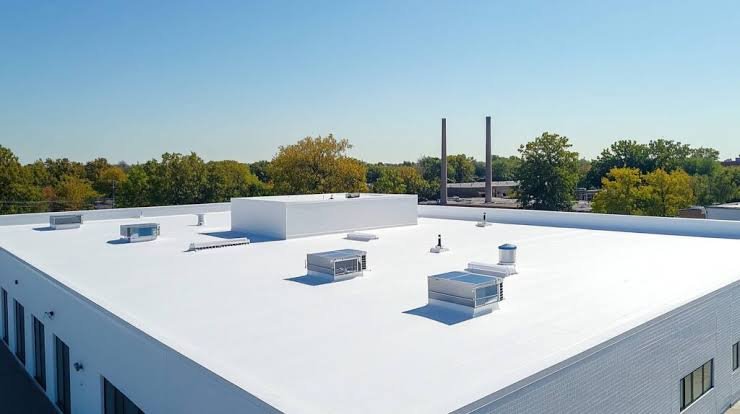
TPO roofing is a type of single-ply roofing membrane made from a blend of polypropylene and ethylene-propylene rubber. This material is designed to provide flexibility, durability, and resistance against common roofing challenges such as ultraviolet exposure, temperature changes, and moisture.
Unlike traditional roofing systems that may require multiple layers of materials, TPO membranes are manufactured as a single-layer solution that can be installed over commercial structures with proper preparation. The membrane is available in different thickness options, allowing contractors to choose a product that matches the needs of a specific building.
One of the main characteristics of this roofing system is its ability to expand and contract with changing temperatures. This flexibility helps reduce stress on the membrane and lowers the risk of cracks or damage caused by thermal movement.
Benefits of TPO Roofing Systems
One of the biggest advantages of this roofing option is its durability. Commercial roofs are constantly exposed to sunlight, rain, wind, and temperature changes. A strong membrane system helps protect the building from these elements while maintaining reliable performance over time.
Energy efficiency is another major benefit. Many TPO membranes have highly reflective surfaces that help reduce heat absorption from sunlight. By reflecting more solar energy, the roof can help lower cooling demands during warmer months, potentially improving overall building efficiency.
Cost-effectiveness also contributes to its popularity. Compared with some other commercial roofing options, TPO systems often provide an attractive combination of installation value and long-term performance. Property owners can benefit from a reliable roofing solution without necessarily choosing the most expensive option available.
Another advantage is resistance to environmental factors. TPO membranes are designed to handle exposure to ultraviolet rays, ozone, and chemical substances that may affect roofing materials over time. This resistance helps extend the lifespan of the roofing system when it is properly installed and maintained.
Common Applications of TPO Roofing
TPO roofing is commonly used on commercial buildings with flat or low-slope roofs. These structures often include warehouses, office buildings, retail properties, industrial facilities, and other large commercial spaces.
Because of its flexibility and performance characteristics, this roofing system can be suitable for both new construction projects and roof replacement applications. Contractors often recommend it for buildings where energy efficiency, durability, and manageable maintenance requirements are important considerations.
The system can also be installed over certain existing roofing structures depending on the condition of the current roof and the recommendations of qualified roofing professionals. A proper inspection helps determine whether repair, replacement, or overlay installation is the most appropriate solution.
The TPO Roofing Installation Process
Professional installation plays a major role in the success of any roofing system. Even high-quality materials may fail prematurely if they are installed incorrectly. The process begins with a detailed evaluation of the building and existing roof conditions.
Before installation, contractors prepare the roof surface by removing debris, repairing damaged areas, and ensuring the structure is ready to receive the new membrane. Proper preparation helps create a stable foundation and reduces the risk of future problems.
The TPO membrane is then positioned across the roof surface and secured using approved installation methods. Depending on the building design and project requirements, contractors may use mechanical attachment, adhesive systems, or other approved techniques.
One of the most important parts of installation is sealing the membrane seams. Heat-welding equipment is commonly used to create strong connections between membrane sections, helping prevent water from entering through vulnerable areas.After installation is complete, roofing professionals inspect the system to verify that seams, edges, flashing, and other details are properly completed. Quality checks help ensure the roof is ready to provide dependable protection.
Maintenance Requirements for TPO Roofing
Although TPO roofing systems are designed for durability, regular maintenance is necessary to maximize their lifespan. Routine inspections allow property owners to identify minor issues before they become expensive repairs.
Maintenance typically includes checking seams, flashing areas, drainage systems, and membrane surfaces for signs of wear or damage. Keeping the roof free from debris also helps prevent drainage problems and unnecessary stress on the membrane.After severe weather events, inspections are especially valuable. Strong winds, heavy storms, and falling debris can affect roofing materials, and early detection allows repairs to be completed quickly.
Professional maintenance programs can help businesses protect their roofing investments by ensuring that small problems are addressed before they develop into major concerns.While TPO roofing offers many benefits, like any roofing system, it can experience problems if it is poorly installed or neglected. One common issue is seam failure, which may occur if seams are not properly welded during installation or become damaged over time.
Punctures and tears can also occur due to foot traffic, sharp objects, or external impacts. Regular inspections help identify these problems and allow repairs before moisture enters the building.
Poor drainage can create additional stress on the roofing membrane. Standing water may increase the risk of deterioration, making properly functioning drainage systems an important part of roof maintenance.Many roofing problems are preventable through professional installation, regular inspections, and timely repairs.
Comparing TPO Roofing with Other Commercial Roofing Options
When selecting a roofing system, property owners often compare TPO with alternatives such as EPDM, PVC, or built-up roofing. Each system has different characteristics, advantages, and applications.
TPO is often chosen because it provides a balance of flexibility, durability, and energy efficiency. Its reflective properties make it attractive for buildings where controlling heat absorption is a priority.The best roofing choice depends on factors such as building design, climate conditions, budget, maintenance expectations, and long-term goals. Consulting with experienced roofing professionals helps determine which system provides the best value for a specific property.Selecting a qualified contractor is one of the most important steps in any roofing project. Proper installation requires knowledge of membrane handling, seam welding, flashing details, and commercial roofing practices.
A reliable contractor should have experience working with commercial roofing systems and provide clear information about materials, installation methods, timelines, and maintenance recommendations. Reviewing previous projects and understanding the contractor’s qualifications can help property owners make better decisions.Quality installation not only improves roof performance but also helps prevent premature repairs and unnecessary expenses.
Conclusion
A properly installed and maintained roofing system can provide many years of reliable protection. Its durability, energy-saving potential, and resistance to environmental conditions make it a valuable investment for many commercial property owners.
By reducing maintenance needs, improving energy performance, and protecting the building structure, TPO roofing can contribute to lower long-term operating costs. Regular inspections and professional care further enhance its performance and extend its useful life.
TPO roofing is a practical and efficient solution for many commercial buildings seeking durability, energy efficiency, and reliable weather protection. Its flexible membrane design, reflective properties, and resistance to environmental challenges make it a popular choice among property owners and roofing professionals.
From proper installation to routine maintenance, every step plays an important role in maximizing the benefits of this roofing system. By choosing quality materials and working with experienced contractors, businesses can create a dependable roofing solution that protects their property and supports long-term performance.
