
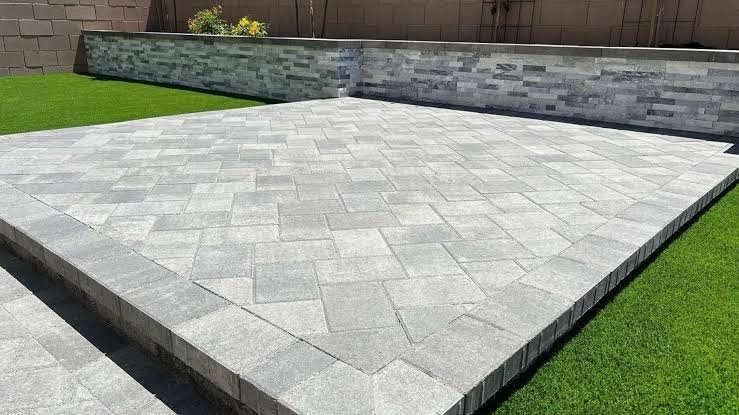
Introduction
The appearance and functionality of a home’s exterior significantly influence its overall value, comfort, and curb appeal. While landscaping, lighting, and architectural features all contribute to an attractive outdoor environment, hardscaping elements such as patios, driveways, walkways, and pool decks often make the greatest visual impact. Among the many materials available for these surfaces, pavers have become one of the most preferred options for homeowners because they combine durability, versatility, and timeless beauty. Available in a wide variety of colors, textures, shapes, and patterns, pavers allow homeowners to create customized outdoor spaces that enhance both style and practicality. However, achieving long-lasting performance depends on proper planning and expert installation. Professional paver installation provides the knowledge, craftsmanship, and attention to detail necessary to create outdoor surfaces that remain beautiful and functional for many years.
Understanding Professional Paver Installation
Professional paver installation is a carefully planned construction process that involves much more than placing individual pavers on the ground. Every successful project begins with evaluating the property, measuring the installation area, preparing the site, and selecting appropriate materials that match the homeowner’s goals and the property’s design.
The installation process includes excavation, grading, compacting the base material, installing proper drainage, laying edge restraints, applying bedding sand, positioning the pavers with precision, filling joints with specialized sand, and compacting the finished surface. Each step contributes to the strength, stability, and appearance of the completed project.
Experienced contractors understand how different soil conditions, weather patterns, drainage requirements, and intended usage affect the installation process. Their expertise helps prevent many of the problems associated with poorly installed hardscape surfaces.
Enhancing Curb Appeal
One of the primary reasons homeowners invest in professional paver installation is the immediate improvement in curb appeal. Outdoor surfaces occupy a significant portion of the property’s visible exterior, making them one of the first features visitors notice.
Cracked concrete, uneven walkways, faded asphalt, and deteriorating patios can make an otherwise attractive home appear neglected. Professionally installed pavers transform these areas into elegant architectural features that complement the home’s design while creating a polished, welcoming appearance.
With numerous design options available, homeowners can select colors, textures, borders, and laying patterns that blend seamlessly with landscaping, exterior finishes, and surrounding outdoor living spaces.
Increasing Property Value
Professional paver installation is often viewed as a valuable investment because it contributes to both immediate enjoyment and long-term financial returns. Attractive outdoor spaces enhance the overall appeal of residential properties while demonstrating quality construction and thoughtful maintenance.
Potential buyers frequently recognize professionally installed patios, driveways, and walkways as premium property features because they require relatively little maintenance while providing exceptional durability.
Well-designed hardscape improvements often help properties stand out in competitive real estate markets, increasing buyer interest and supporting stronger resale values.
Exceptional Durability
Durability is one of the most significant advantages of paver installations. Individual pavers are manufactured to withstand years of daily traffic, changing weather conditions, and exposure to sunlight without losing their structural integrity.
Unlike poured concrete, which may crack due to ground movement or temperature fluctuations, paver systems are designed with flexible joints that allow slight movement while maintaining the surface’s stability. This flexibility reduces the likelihood of large visible cracks that require expensive repairs.
High-quality pavers also resist fading, abrasion, and wear, allowing them to maintain their attractive appearance for decades when properly installed and maintained.
Design Flexibility
Modern pavers provide homeowners with virtually unlimited design possibilities. Manufacturers produce pavers in a wide range of materials including concrete, natural stone, brick, and porcelain, each offering distinctive textures and visual characteristics.
Various laying patterns such as herringbone, basket weave, running bond, and modular arrangements allow homeowners to customize outdoor spaces according to their personal preferences.
Decorative borders, contrasting colors, curved pathways, and integrated landscaping features further enhance the visual appeal while creating truly unique outdoor environments that reflect individual style.
Low Maintenance Requirements
One of the reasons pavers remain popular among homeowners is their relatively low maintenance requirements. Unlike asphalt surfaces that require periodic sealing or concrete that may develop large cracks over time, pavers are relatively easy to maintain.
Routine sweeping, occasional rinsing, and periodic joint sand replacement help preserve the appearance and stability of the installation. If an individual paver becomes stained or damaged, it can often be replaced without disturbing the surrounding surface.
This simple maintenance process reduces long-term repair expenses while keeping outdoor spaces looking attractive throughout the year.
Improved Drainage
Proper drainage plays a critical role in preserving both the paved surface and the surrounding property. Professional installers carefully design the finished surface to direct water away from buildings while minimizing standing water.
Many modern paver systems allow water to drain efficiently through joints or specially designed permeable materials, helping reduce runoff while supporting healthier landscaping.
Effective drainage protects foundations, prevents erosion, reduces water accumulation, and extends the lifespan of both the paved surface and adjacent outdoor features.
Safety and Accessibility
Professional paver installation also improves safety throughout residential properties. Even, properly leveled walkways reduce tripping hazards while textured paver surfaces often provide better traction than smooth concrete, especially during wet weather.
Well-designed pathways improve accessibility by creating comfortable walking surfaces that connect driveways, entrances, patios, gardens, and outdoor entertainment areas.
For families with children, older adults, or frequent visitors, professionally installed pavers contribute to a safer and more functional outdoor environment.
Creating Functional Outdoor Living Spaces
Modern homeowners increasingly view their outdoor areas as extensions of their indoor living space. Professionally installed pavers provide the foundation for comfortable patios, outdoor kitchens, dining areas, fire pit seating, pool decks, and entertainment spaces that can be enjoyed throughout the year.
Because pavers are available in numerous styles and finishes, homeowners can design outdoor environments that match the architectural character of their homes while meeting their lifestyle needs. Whether creating a quiet garden retreat or a spacious entertainment area for family gatherings, professionally installed pavers offer both beauty and functionality.
Well-designed outdoor living spaces encourage more time outdoors while improving the overall enjoyment of the property.
Weather Resistance
Residential paving materials are constantly exposed to changing weather conditions, including heavy rain, freezing temperatures, intense sunlight, and seasonal temperature fluctuations. Professionally installed pavers are designed to withstand these environmental challenges without significant deterioration.
Unlike poured concrete, which can develop large cracks as the ground expands and contracts, individual pavers move slightly with the soil while maintaining the integrity of the overall surface. This flexibility allows paver installations to perform well in a wide range of climates while minimizing long-term structural damage.
High-quality pavers also resist fading caused by prolonged ultraviolet exposure, helping them maintain their original color and appearance for many years.
Cost-Effective Long-Term Investment
Although professional paver installation may involve a higher initial investment than some traditional paving materials, it often provides greater long-term value. The combination of durability, minimal maintenance, and easy repair reduces ownership costs over the lifespan of the installation.
If repairs become necessary, individual pavers can usually be removed and replaced without disturbing the surrounding area. This targeted repair process is often less expensive and less disruptive than repairing cracked concrete or damaged asphalt surfaces.
The extended service life of professionally installed pavers allows homeowners to enjoy decades of reliable performance while avoiding frequent replacement costs.
Environmentally Friendly Benefits
Many homeowners are placing greater importance on environmentally responsible construction materials. Pavers support sustainable landscaping by offering permeable installation options that improve stormwater management and reduce surface runoff.
Permeable paver systems allow rainwater to filter naturally into the ground, helping replenish groundwater supplies while reducing pressure on drainage systems. This environmentally friendly approach supports healthier landscapes and minimizes erosion around residential properties.
Many paver products are also manufactured using sustainable production methods and durable materials that require fewer replacements throughout their lifespan.
Easy Repairs and Replacement
One of the greatest advantages of paver systems is the ability to perform localized repairs. If a single paver becomes stained, chipped, or damaged, contractors can remove and replace only the affected units without replacing the entire paved surface.
Similarly, if underground utility work becomes necessary, pavers can often be lifted, the required work completed, and the original pavers reinstalled. This flexibility saves homeowners considerable repair costs while preserving the appearance of the completed project.
Compared to concrete slabs that often require extensive demolition for repairs, pavers provide a far more practical long-term solution.
Professional Installation Makes the Difference
Even the highest-quality pavers cannot deliver maximum performance without proper installation. Professional contractors possess the experience, specialized equipment, and technical knowledge necessary to prepare stable foundations, establish proper grading, and install each paver with precision.
Site preparation remains one of the most important aspects of any paving project. Contractors evaluate soil conditions, excavation depth, drainage requirements, and expected traffic loads before constructing the compacted base that supports the finished surface.
Proper edge restraints, bedding materials, joint sand, and final compaction all contribute to a durable installation that resists shifting, settling, and uneven surfaces over time.
Maintenance Tips for Long-Lasting Performance
Although pavers require relatively little maintenance, routine care helps preserve both their appearance and structural performance. Regular sweeping removes dirt, leaves, and debris before they accumulate within the joints.
Occasional washing helps remove surface stains while maintaining the vibrant appearance of the pavers. Joint sand should be inspected periodically and replenished when necessary to help stabilize the installation and discourage weed growth.
Homeowners may also choose to apply a quality paver sealer to enhance color, improve stain resistance, and provide additional protection against weather exposure. Periodic inspections allow minor issues to be corrected before they become larger repair projects.
Choosing the Right Paver Design
Selecting the right paver design involves balancing appearance, functionality, and durability. Homeowners should consider the intended use of the area, the architectural style of the home, surrounding landscaping, and expected traffic levels.
Driveways require pavers capable of supporting vehicle loads, while patios and walkways may emphasize decorative patterns and aesthetic appeal. Color selection also plays an important role, as complementary tones create visual harmony between outdoor spaces and the home’s exterior.
Experienced contractors provide valuable guidance during the design process, helping homeowners choose materials and layouts that maximize both beauty and long-term performance.
Conclusion
Professional paver installation offers homeowners an exceptional combination of beauty, durability, functionality, and long-term value. From enhancing curb appeal and increasing property value to creating comfortable outdoor living spaces and reducing maintenance requirements, professionally installed pavers provide benefits that continue for decades.
Their flexibility, weather resistance, ease of repair, and wide variety of design options make them one of the most versatile hardscaping materials available for residential properties. Whether upgrading a driveway, patio, walkway, or pool deck, investing in professional installation ensures that every detail is completed with precision and care.
By working with experienced contractors and selecting high-quality materials, homeowners can create outdoor spaces that are both visually impressive and built to withstand years of everyday use. A professionally installed paver surface not only improves the appearance of a property but also delivers lasting performance, greater comfort, and increased value, making it one of the most worthwhile investments in residential exterior improvement.
