
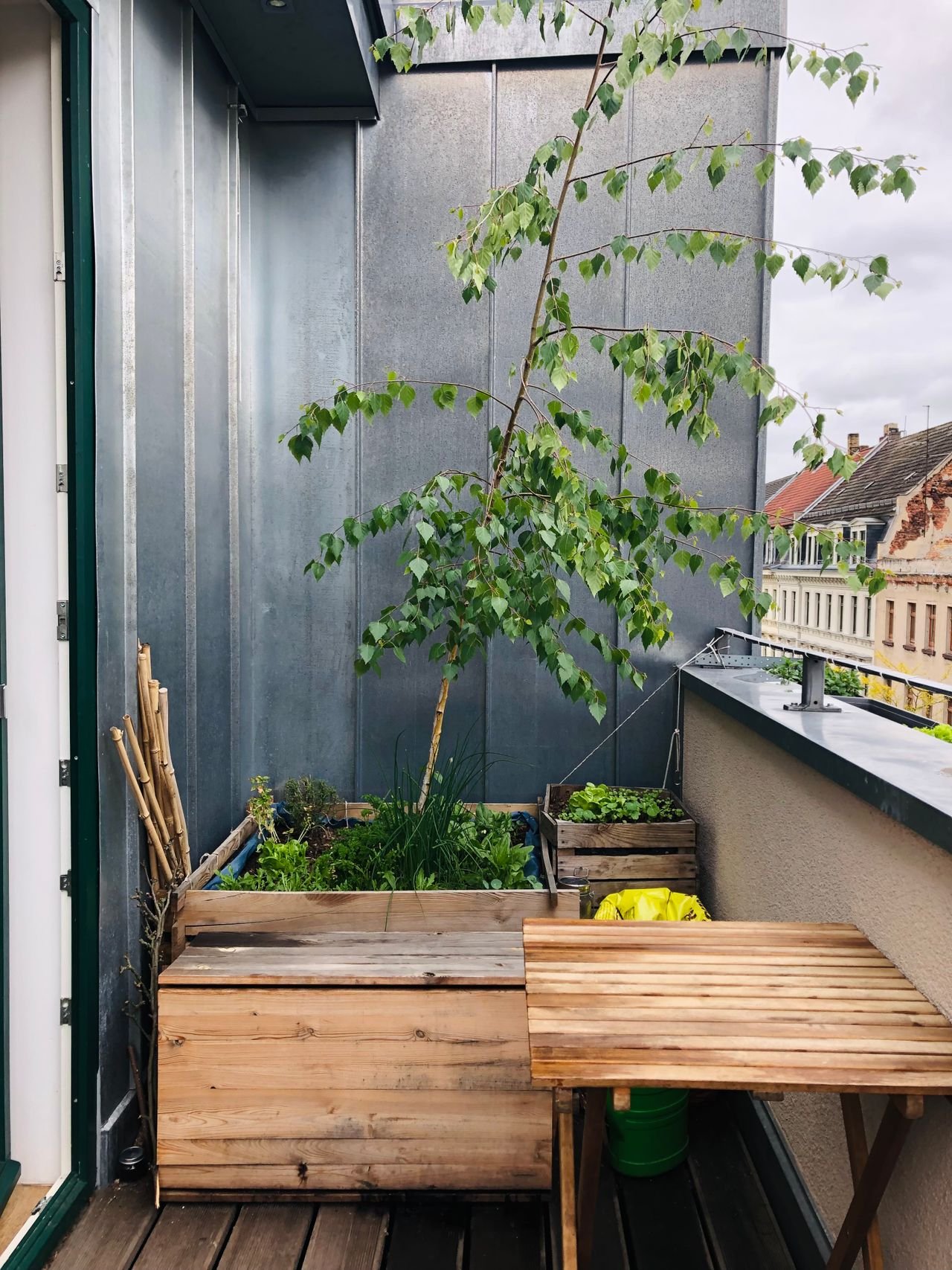
A dream balcony usually begins as an image rather than a plan. It may contain a deep sofa, a dining table, abundant plants and soft evening light, all arranged against an open view. Yet most real balconies impose fixed limits. Narrow proportions, exposed railings, awkward doors, drainage points and building rules quickly challenge the original vision. Successful design starts when aspiration meets measurement.
Treating the balcony as an outdoor room gives the project a useful discipline. Every item needs a role, a suitable material and enough clearance around it. The floor acts as the room’s foundation; screens or planting form partial walls; an awning or the balcony above suggests a ceiling. Furniture establishes how the area will be used. This approach prevents the common mistake of buying attractive accessories before deciding whether the balcony is meant for breakfast, reading, entertaining or remote work.
Material selection should come before colour palettes and cushions because it shapes both appearance and upkeep. Wood brings warmth to Scandinavian and bohemian schemes; metal supplies the slim black lines associated with modern, Parisian and loft styles; glass preserves the sightlines prized in contemporary high-rises. Each introduces practical demands involving weather, weight, heat and cleaning. A convincing design accepts those demands instead of hiding them beneath styling.
The micro-balcony paradox is simple: the smallest spaces need the strongest decisions, yet large gestures can overwhelm them. A 4-by-6-foot balcony cannot hold a miniature version of every feature found in a large terrace. It needs one main activity and one dominant material. A folding bistro table may support dining and laptop work, while a single bench provides seating and storage. Trying to add a sofa, planters, side tables and decorative ladders leaves no comfortable route from the door.
Scaling down should preserve function rather than merely shrink objects. On a 5-by-10-foot balcony, a full-width bench can feel calmer than three separate chairs because one clear volume replaces several outlines. A wall-mounted table frees the floor when not in use. One tall planter adds more impact than a scattered collection of small pots. Repeating a limited finish, such as black aluminium or oiled acacia, creates order. Empty space around these pieces becomes part of the design rather than evidence that something is missing.
Accurate planning begins with a measured drawing. Record the full floor area, door swing, railing height, sockets, drains, downpipes and any equipment that needs access. Mark a comfortable walking route of roughly 60 centimetres where possible, then test furniture footprints with newspaper or masking tape. Sit inside the taped shapes and open the door. This modest rehearsal often exposes problems that product photographs conceal, including knees striking railings or chair legs blocking drainage.
Wood Architecture: Texture, Warmth and Organic Layers
Wood works best when it forms an architectural layer rather than appearing only in accessories. Interlocking teak deck tiles give renters a reversible foundation, but require a ventilated base and clear drainage outlets. Pressure-treated timber suits bench frames and structural accents; reseal cut ends and raise feet above standing water. Obtain permission before fixing anything to the building envelope, since careless drilling can damage waterproofing.
Vertical wooden screens introduce privacy without consuming the depth needed for furniture. Narrow battens with deliberate gaps filter views and wind while retaining some light. A freestanding screen needs a stable base that cannot topple, whereas a fixed screen must comply with building rules and wind requirements. Slatted designs often feel lighter than solid panels and create changing shadows through the day. They also give climbing plants support, provided vines do not attach themselves to neighbouring property or drainage systems.
Furniture species deserve separate consideration because retail descriptions can blur important differences. Acacia is dense, richly grained and well suited to compact dining sets, but it needs regular protection from prolonged wet conditions. Bamboo grows rapidly and brings a light, informal character to privacy shades, yet woven bamboo can split or develop mildew if left damp. Eucalyptus offers strong value for modular seating and accepts outdoor oil well, although connectors and concealed joints still need checking after winter.
Solid wooden sets can dominate a narrow balcony, so proportions matter as much as species. Look for shallow seats, open arms and chairs that fold completely flat. A compact table should allow hands, plates and cups to fit without forcing diners against the railing. Furniture copied from hospitality catalogues may look appealing, but restaurant bar stools are often too tall and visually heavy for a domestic balcony unless a properly proportioned counter already exists. Standard-height seating usually feels safer and more relaxed.
Maintenance should respond to climate rather than follow one annual ritual. In humid areas, prioritise airflow, clean organic debris from joints and cover only dry timber. In arid regions, shade wood where possible and renew its UV-rated sealant or oil before the finish fails. In freezing climates, dry and elevate furniture before winter, fasten ventilated covers and inspect joints in spring. Thin coats applied to clean wood protect better than excess oil, which can remain tacky and collect dirt.
Wooden DIY projects should maximise height while controlling weight and water. A vertical herb wall can use shallow removable pots, with thirsty herbs below sun-loving rosemary and thyme. A pallet planter needs clean timber, smooth edges, a plant-safe finish and a draining liner. Both structures must be secured for wind and rated for saturated weight; a loose pallet resting against a railing becomes a dangerous sail.
A custom corner bench often gives a small wooden balcony its best return on space. Build the seat around storage boxes or create a hinged, ventilated compartment for cushions and gardening tools. Keep the back low if it would otherwise block the view, and soften the corner with a fitted cushion rather than several loose pillows. Access panels should open without moving the entire bench. The finished unit must also leave drainage channels, balustrades and inspection points unobstructed.
Metal and Glass: Sleekness, Light and Modernity
Metal creates strength with comparatively slender components. Wrought iron offers traditional scrollwork and reassuring solidity, but its weight and susceptibility to rust demand care. Matte black paint makes ornate shapes feel restrained beside terracotta, timber or striped textiles. Repair chips promptly, and protect tiles from the feet. Brass lanterns, handles or planter rims can warm the scheme, though plated steel and lacquered brass weather differently from solid, untreated brass.
Powder-coated aluminium is generally more practical where weight, rain and frequent movement matter. Aluminium does not rust like iron, while the baked coating supplies colour and surface protection. The material can still oxidise at damaged areas, and low-quality coatings may fade or blister. Wash frames with mild soap rather than abrasive cleaners, inspect welds and choose stainless or appropriately coated fasteners. Lightweight chairs should fold, stack or secure safely when wind is forecast.
Glass balustrades can transform sightlines, but installation belongs to qualified professionals. Frameless systems need correctly specified safety glass, engineered fixings and edge protection. Existing railings should never be casually altered. A reflective acrylic panel offers a lighter, reversible way to brighten a dark corner, provided approved fixings accommodate expansion and reflections do not dazzle others. Clean acrylic with a soft cloth and non-abrasive product to prevent clouding scratches.
A custom-cut glass-top bistro table reduces visual bulk because the floor remains visible through it. Specify toughened glass, supported continuously or at the correct points by the frame. Transparent surfaces reveal every water mark, so a tray or placemats can make daily use easier. Birds may also fail to perceive clear edges; subtle markings improve visibility without sacrificing the light appearance.
Successful material fusion relies on contrast. Metal supplies an exact outline, while glass contributes reflection and visual absence. Without softer elements, the pairing can look cold and amplify the hard surfaces already present in an apartment block. Timber deck tiles, a woven outdoor rug, matt ceramic pots or textured cushions interrupt that clinical effect. Warm-white lighting also changes the mood after dark. The aim is not to conceal metal and glass, but to give their precision a tactile counterpoint.
High-rise balconies require stricter judgement because wind behaves unpredictably around towers. Gusts can accelerate at corners, push upwards and lift objects that seem heavy at ground level. Glass screens, tall planters and privacy panels all increase the area exposed to wind. Their fixings and supporting structure need assessment for the actual building, height and orientation. Online weight estimates or generic brackets cannot replace an engineer’s specification when an installation alters the balustrade or adds a large wind-catching surface.
Load capacity also limits heavy iron furniture, saturated planters and stone-filled bases. The relevant figure includes people, furniture, containers, wet compost, water and any concentrated load created by narrow feet. Building management, approved drawings or a structural professional should provide the permitted loading; guessing from the balcony’s appearance is not responsible. Spread heavy items where instructed, avoid clustering them at an unsupported edge and choose lightweight soil components only when they suit the plants.
Rules from landlords, homeowners’ associations and building managers may govern flooring, screening, visible colours, heaters, fire sources and attachments. Check them before purchasing custom pieces. Local planning, fire and building requirements can impose further restrictions, especially on high-rise façades. Written approval is more useful than an informal conversation. It defines what may be fixed, how high screens can rise and whether materials need particular fire ratings, preventing a finished scheme from being removed later.
The Layering Masterclass
Textiles turn a material scheme into a place where people want to linger. Solution-dyed acrylic fabrics, including well-known Sunbrella ranges, resist fading and moisture better than ordinary indoor cloth, but they still need cleaning and drying. Select removable cushion covers and store the inserts during long wet periods. A restrained palette keeps a small balcony calm: one base colour, one secondary tone and a limited pattern usually provide enough variation beside timber, metal or glass.
Outdoor rugs and floor poufs add comfort without hard visual mass. Choose a permeable, quick-drying rug large enough to connect the furniture, lift it for cleaning and leave drainage edges exposed. Poufs need outdoor filling, washable covers and indoor storage during rain or wind. Heavy canvas curtains also need approved supports, secure tie-backs and retraction whenever the balcony is unattended.
Lighting works best in layers rather than as one bright source. Warm LED strings or solar Edison bulbs create a perimeter glow, while brass Moroccan lanterns and low-voltage uplights shape pools of light below. Use LED candles where flames are restricted. Choose exterior-rated fittings, connectors and power supplies; keep cables away from doors, drains and water. Aim lights away from neighbours and use a timer to prevent overnight glare.
Plant selection should begin with the balcony’s microclimate. Record direct sun across several days, note wind corridors and identify heat reflected by glass or masonry. Low-light ferns appreciate shelter and consistent moisture, whereas many sun-tolerant plants need faster drainage. Monstera is often promoted as a lush balcony plant, but strong direct sun can scorch its leaves and cold weather can damage it. In many climates it performs better in bright shade and returns indoors before temperatures fall.
Cascading ivy softens railing lines and screens hard corners, although species choice matters. Some ivies spread aggressively or attach to walls, and every trailing stem needs containment within the property. Alternatives such as bacopa, creeping Jenny or trailing pelargonium may be easier to manage, depending on light and climate. Secure containers with approved brackets positioned inside the balustrade. Hanging pots outside the railing expose people and property below to unnecessary risk.
An urban jungle succeeds through composition, not plant count. Combine one upright plant, one rounded mid-level form and one trailing variety to create a canopy in a compact footprint. Repeat pot colours so foliage remains the focus. Group plants with similar watering needs, and use saucers or controlled reservoirs without leaving stagnant water. Check total saturated weight before buying large containers. Wheeled bases can simplify cleaning, provided their brakes hold securely on the balcony surface.
Zoning makes a long balcony support more than one activity without adding walls. Place a narrow table near the door for convenient dining, then create a reading end with a bench, lamp and one tall planter. A rug can define the seating zone, while consistent furniture finishes connect both areas. Keep the main route clear. Turning furniture perpendicular to the railing may create separation, but only if chairs can move without blocking the exit.
Remote-work zones need ergonomics as well as atmosphere. A wall-mounted folding desk should sit at a usable height and avoid direct screen glare. Choose a supportive chair that can return indoors or fold away after work. Power cables must remain protected from weather, and video calls should not compromise neighbours’ privacy. A slim planter can form the camera background without reducing legroom. When the laptop closes, folding the surface restores the balcony’s leisure role.
Architectural Troubleshooting and Year-Round Use
Privacy measures should filter attention without sealing the balcony into a box. Faux-ivy trellises offer immediate coverage and little maintenance, but cheap foliage fades, collects dust and creates a sizeable wind load. Choose UV-resistant material, secure it at frequent points and keep it within permitted railing dimensions. Partial screening often works better than complete coverage because it blocks the neighbour’s direct angle while preserving air, daylight and a sense of openness.
Dense bamboo in planters provides living privacy where the climate and building rules permit it. Select a clumping variety appropriate to containers, give it adequate soil volume and plan for irrigation. Bamboo becomes heavy when mature and wet, so several large troughs may exceed the balcony’s load allowance. Leaves also shed, roots crowd containers and tall stems catch wind. A shorter, well-positioned screen can solve the sightline with less maintenance than a continuous green wall.
Canvas windbreaks combine privacy with seasonal shelter, but solid fabric can transfer considerable force to its supports. Mesh or vented panels reduce pressure while still obscuring views. Take screens down before severe weather and inspect hems, eyelets and fixings regularly. Never attach them to a balustrade unless the building permits that method. The right position may cover only the seated eye line, allowing clear space above and below to preserve ventilation.
Extreme-weather preparation needs a routine rather than improvised action during a storm. Folding chairs, lanterns, watering cans and lightweight pots should have been assigned indoor storage. Secure larger permitted items with manufacturer-approved methods that do not create trip hazards or damage the building. Do not rely on adding random paving slabs to furniture; extra weight may stress the balcony without stopping a large surface from catching wind. Close umbrellas and retract awnings whenever they are unattended.
Rust resistance depends on the entire assembly, not just the main frame. Aluminium furniture fitted with unsuitable screws can stain or corrode where different metals meet. Stainless hardware comes in grades suited to different exposures, particularly near salt air. Inspect bolts, welds, hinges and coating chips at the start and end of the season. Wash salt and pollution away with fresh water, then allow the furniture to dry before covering it.
Heavy-duty covers should fit closely enough to resist flapping but leave air circulation beneath them. Pooled water stretches fabric and presses moisture against tabletops. Use the manufacturer’s supports or a smooth central riser to create a slope, taking care not to abrade the cover. Fasten straps around the intended furniture parts rather than balcony rails. Clean and dry both cover and object periodically; wrapping dirty, damp furniture for months encourages staining and mould.
Storage should disappear into the furniture plan. A bench with a ventilated compartment can hold clean, dry cushions, clips and small tools, while its seat replaces separate chairs. Hollow ottomans accommodate throws or gardening supplies and serve as footrests or occasional tables. Storage marketed as waterproof may still admit moisture around hinges or condensation, so use sealed inner boxes for vulnerable contents. Never store fuels, gas cylinders or prohibited chemicals simply because a cavity is available.
Wall-mounted folding tables provide one of the most valuable transformations on a tiny balcony. When open, they support breakfast, potting or laptop work; when closed, they restore circulation. Fixing them requires an approved wall, suitable anchors and knowledge of hidden services and waterproofing. Renters can use a narrow railing-mounted design only where the building allows it and the product fits the exact balustrade. Nothing should project beyond the balcony edge or reduce barrier safety.
A 365-day plan should respond to local seasons rather than attempt to defeat them. Compact infrared heaters warm people directly and can extend cool evenings, but they need permitted mounting, clearances from combustible materials and a suitable electrical supply. Freestanding units may be unstable in wind or consume precious floor area. Building and fire rules often restrict heater types, so approval comes before purchase. Cushions, blankets and a sheltered seat may solve mild colds with less complexity.
Tabletop fire bowls demand even greater caution. Many buildings prohibit open flames, gas canisters or fuel storage on balconies, and an attractive product label does not override those rules. Flames near canvas, timber screens, overhangs or dry leaves introduce obvious danger. Where any combustion device is allowed, follow the specified clearances, fuel instructions and supervision requirements exactly. An LED lantern or approved electric radiant heater provides atmosphere or warmth without copying the risks of an open flame.
Hot climates shift the priority towards shade and moving air. A compact misting fan can reduce perceived heat in dry conditions, but added moisture performs poorly in humidity and may make floors slippery. Use outdoor-rated equipment, position cables safely and prevent spray from reaching neighbours, glazing or untreated timber. Retractable shade, pale textiles and strategic planting reduce radiant heat without filling the floor. Seasonal success also demands regular drain cleaning, fixing checks and removal of objects that no longer serve the balcony’s main purpose.