
Introduction
The transportation industry plays a vital role in keeping businesses, supply chains, and communities connected. Behind every successful delivery is a network of drivers, vehicles, and facilities that support efficient operations. One of the most important yet often overlooked parts of commercial transportation is having access to safe and suitable parking areas for large vehicles. Trucks require more space, stronger infrastructure, and better security compared to ordinary vehicles, making proper parking solutions essential for drivers and fleet operators.
Finding dependable parking for trucks can be challenging, especially during long-distance routes where drivers must follow rest schedules and manage strict delivery timelines. Limited availability, crowded locations, and safety concerns often make it difficult to find appropriate spaces when they are needed most. A well-planned parking strategy helps drivers reduce stress, protect valuable equipment, and maintain compliance with transportation requirements.
Professional parking facilities designed for commercial vehicles provide more than just a place to stop. They offer security, convenience, and essential services that support drivers during their journeys. Understanding the importance, benefits, and features of quality truck parking options helps transportation professionals make better decisions and improve overall efficiency.
The Importance of Proper Truck Parking
Commercial trucks are valuable assets that require protection from theft, damage, and unauthorized access. Leaving a truck in an unsuitable location can create several risks, including cargo loss, vehicle damage, and safety concerns for drivers. Dedicated parking areas are designed to accommodate large vehicles while providing a safer environment.
Proper parking also supports driver health and safety. Long hours on the road require drivers to take regular breaks and obtain adequate rest. Having access to secure parking allows drivers to stop without worrying about moving their vehicles repeatedly or searching for available spaces under pressure.
Another important benefit is improved operational planning. Transportation companies can organize routes more effectively when drivers know where they can safely stop. Reliable parking locations reduce unnecessary delays and help maintain delivery schedules.
A suitable parking solution also protects roads and public areas. Large commercial vehicles parked in unauthorized locations can create traffic issues and safety hazards. Designated parking facilities help manage vehicle movement and maintain better organization.
Challenges in Finding Suitable Truck Parking
One of the biggest challenges faced by professional drivers is the limited availability of appropriate parking spaces. The number of commercial vehicles continues to increase, but parking infrastructure does not always expand at the same rate. This creates competition for available spaces, particularly during busy travel periods.
Another challenge is finding locations that provide enough room for large vehicles. Trucks require wide spaces for safe entry, parking, and departure. Small or poorly designed areas can create difficulties and increase the risk of accidents.
Security is also a major concern. Drivers need confidence that their vehicles and cargo will remain protected while they rest. Parking in poorly monitored areas can increase the chances of theft or vandalism.
Cost is another factor that transportation companies must consider. While free parking options may appear attractive, they may not always provide the safety and convenience needed for professional operations. Balancing affordability with security and accessibility is essential when selecting a parking solution.
Features of a Quality Truck Parking Facility
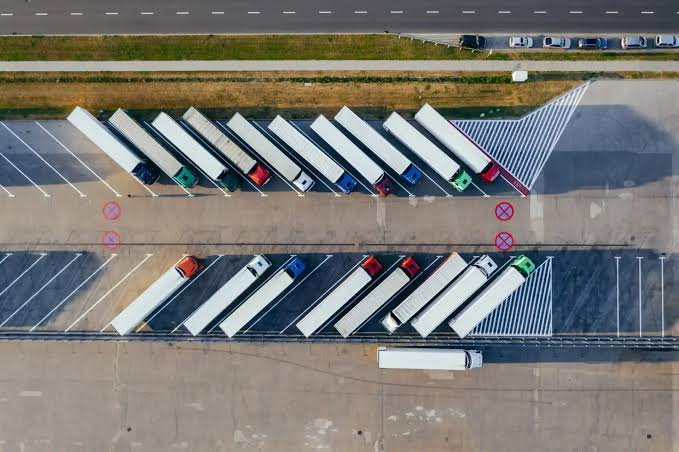
A reliable parking facility should provide features specifically designed for commercial vehicles. One of the most important features is sufficient space. Large trucks need properly sized parking areas that allow easy movement without creating congestion.
Security measures are another essential component. Quality facilities often include surveillance cameras, security lighting, controlled access systems, and regular monitoring. These features help protect vehicles, equipment, and cargo.
Good maintenance is also important. Well-maintained surfaces, clear markings, and organized layouts create a safer environment for drivers. Poorly maintained areas can cause difficulties, especially for larger vehicles.Accessibility is another key factor. Parking facilities located near major transportation routes allow drivers to reach their destinations more efficiently. Easy entry and exit points reduce delays and improve convenience.
Additional services can increase the value of a parking location. Facilities that offer rest areas, fuel access, repair services, or driver amenities provide greater support for long-distance professionals.
Benefits of Using Dedicated Truck Parking Areas
Using specialized parking facilities provides numerous advantages for drivers and transportation companies. The most significant benefit is increased security. Purpose-built locations are designed to protect large commercial vehicles and often include features that are not available in general parking areas.Convenience is another major advantage. Drivers can plan their routes knowing that reliable parking options are available when needed. This reduces pressure and allows them to focus on safe driving.
Dedicated facilities also improve compliance with transportation regulations. Drivers are required to manage working hours and rest periods carefully. Access to appropriate parking makes it easier to follow these requirements without unnecessary delays.
For businesses, secure parking improves fleet management. Companies can better organize vehicle storage, reduce risks, and maintain better control over their assets.Reliable parking also improves driver satisfaction. Professional drivers spend significant time away from home, and access to comfortable, secure locations contributes to better working conditions.
Safety Practices for Drivers
Even when using professional parking facilities, drivers should follow important safety practices. Before leaving the vehicle, they should ensure that all doors are locked and important equipment is secured.
A complete vehicle inspection before and after parking helps identify potential problems. Checking tires, lights, and other essential components can prevent unexpected issues during travel.
Drivers should avoid leaving valuable personal items visible inside the cab. Reducing visible belongings helps minimize unwanted attention and improves security.Communication is also important. Drivers should inform fleet managers or company representatives about their parking location when required. This creates better coordination and improves emergency response if problems occur.
Choosing well-lit areas and following facility rules further improves safety. Responsible parking habits help protect both drivers and vehicles.
Technology Improving Truck Parking Solutions
Technology is changing how commercial drivers locate and manage parking options. Digital platforms and mobile applications now help drivers identify available spaces, review facility information, and plan stops more effectively.Real-time availability systems are becoming increasingly useful because they reduce the time spent searching for parking. Drivers can make better decisions before reaching crowded areas.
Fleet management systems also support better planning. Companies can track vehicles, monitor routes, and coordinate parking needs more efficiently.Reservation-based parking services are another growing trend. These systems allow drivers to secure spaces in advance, reducing uncertainty during long trips.
As technology continues to develop, parking management is expected to become more efficient, organized, and accessible for commercial transportation.Effective planning is essential for avoiding parking difficulties. Drivers should identify possible stopping locations before beginning long routes. This allows them to choose safer options instead of making rushed decisions when they become tired.
Considering travel schedules is also important. Popular parking locations may become crowded during peak periods, so having alternative options can prevent delays.Weather conditions should also be considered. Severe weather can affect accessibility and create additional risks. Choosing reliable facilities with proper maintenance helps drivers handle changing conditions more effectively.Maintaining updated information about parking locations improves route efficiency. Drivers and companies that plan ahead are better prepared to manage unexpected situations.
Conclusion
As transportation demands continue to grow, the need for improved parking for trucks infrastructure will become even more important. Future parking solutions are expected to include smarter technology, improved security systems, and more efficient management methods.
Automated systems may help drivers locate available spaces faster, while advanced monitoring technologies can improve safety. Sustainable designs may also become more common, including energy-efficient facilities and environmentally friendly features.The growth of e-commerce and freight transportation will continue increasing the demand for reliable parking solutions. Developing better facilities will benefit drivers, businesses, and communities by improving transportation efficiency.
Safe and reliable parking solutions are essential for the success of the transportation industry. Commercial vehicles require specialized spaces that provide security, convenience, and enough room for safe operation. Without proper parking options, drivers face unnecessary challenges that can affect safety, efficiency, and delivery schedules.Choosing suitable facilities requires careful consideration of security features, accessibility, available services, and overall reliability. Professional parking areas provide valuable support by protecting vehicles and helping drivers manage demanding routes.
As transportation continues to expand, investing in better parking infrastructure will remain important. With proper planning, responsible practices, and improved technology, parking for trucks can become more convenient, secure, and efficient for drivers and businesses alike.
