
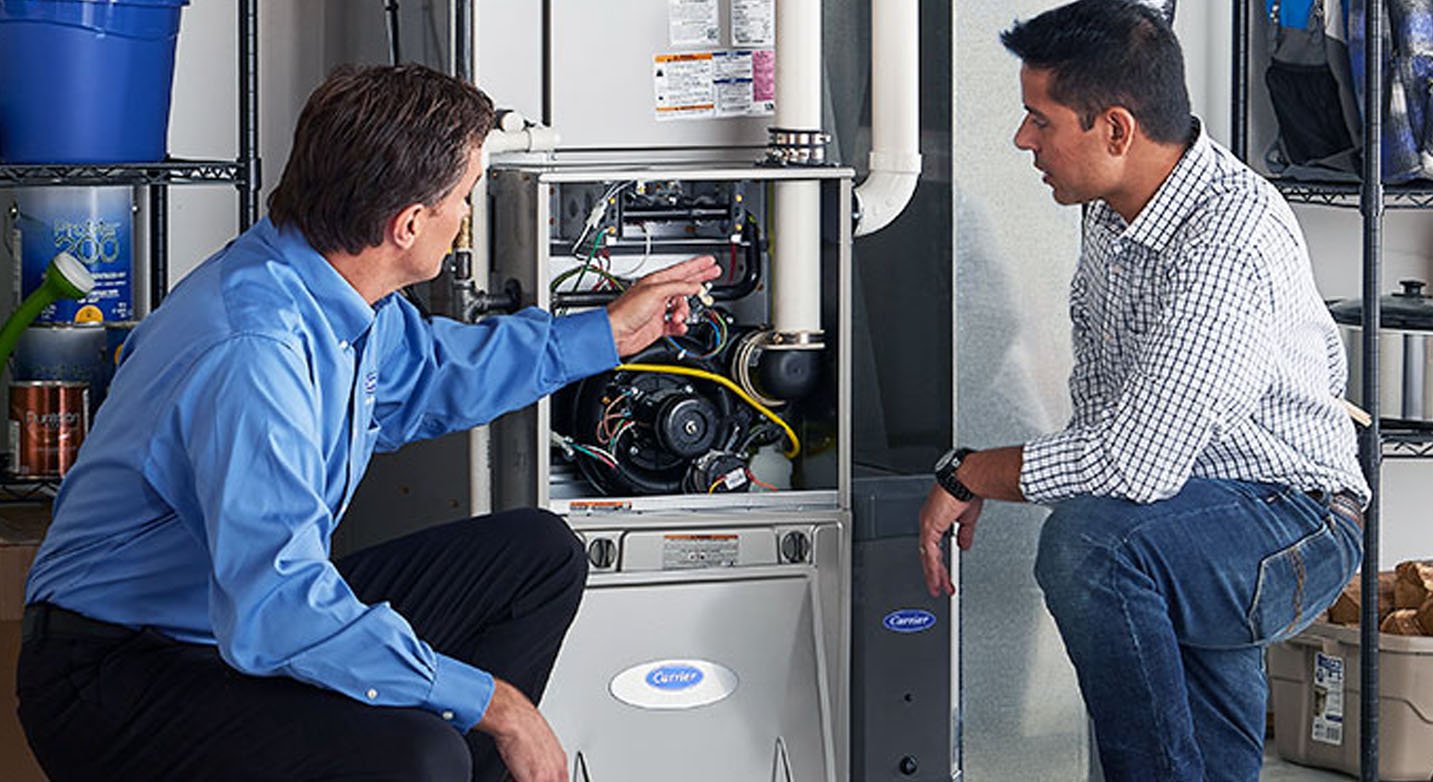
Why a Reliable Furnace Is Essential for Everyday Comfort
A dependable furnace is one of the most important components of any heating system, providing consistent warmth and creating a comfortable indoor environment throughout the colder months. Whether installed in a home or a commercial property, a furnace works continuously to maintain the desired temperature while supporting healthy indoor air circulation. Over time, however, even the highest-quality equipment experiences normal wear and tear. Components become dirty, moving parts wear down, electrical connections loosen, and overall efficiency begins to decline. Ignoring these issues can lead to higher utility bills, uneven heating, frequent system cycling, and unexpected breakdowns that disrupt comfort when reliable heating is needed most. Many property owners delay professional service until the furnace completely stops working, but early attention to developing problems is often the most cost-effective approach. Investing in professional furnace repair services helps restore efficient performance, improve reliability, and protect one of the most valuable systems in the building. Timely repairs not only improve comfort but also reduce long-term operating costs by preventing small mechanical issues from becoming expensive system failures.
Understanding How a Furnace Operates
A furnace is designed to produce and distribute heated air efficiently throughout the property using a carefully coordinated sequence of mechanical and electrical operations. When the thermostat detects that indoor temperatures have fallen below the selected setting, it sends a signal to activate the heating system. The ignition system starts the burners or heating elements, depending on the type of furnace installed. Heat is generated inside the combustion chamber or heating section and transferred through the heat exchanger before the blower motor circulates warm air through the ductwork. Every component in this process must operate correctly for the system to provide dependable and efficient heating. Dirty filters, malfunctioning thermostats, worn blower motors, damaged electrical components, or blocked airflow can interrupt normal operation and reduce overall performance. Understanding how these components work together makes it easier to appreciate the importance of routine inspections and prompt repairs whenever warning signs appear.
Common Causes of Furnace Problems
Although furnaces are built to provide years of dependable service, several factors can contribute to unexpected performance issues. Dirty air filters are among the most common problems because they restrict airflow and force the blower motor to work harder than necessary. Over time, this increased workload accelerates wear on mechanical components while reducing heating efficiency. Electrical problems such as damaged wiring, worn relays, faulty capacitors, or malfunctioning control boards can prevent the furnace from operating correctly or cause it to shut down unexpectedly. Ignition failures, dirty burners, damaged flame sensors, and thermostat calibration issues are also common causes of inconsistent heating performance. In older systems, worn bearings, aging blower motors, and deteriorating belts may produce unusual noises and reduced airflow. Because these issues often produce similar symptoms, professional diagnosis is essential for identifying the exact cause of the malfunction and completing effective repairs.
Warning Signs That Should Never Be Ignored
Most furnace problems develop gradually rather than appearing without warning. Homeowners who recognize these early signs often avoid more expensive repairs by scheduling professional service before additional damage occurs. Uneven temperatures throughout the building may indicate restricted airflow or blower problems, while unusual sounds such as banging, grinding, rattling, or squealing frequently suggest worn mechanical components that require attention. Frequent on-and-off cycling, delayed startup, higher-than-normal energy bills, and weak airflow from supply vents are additional indicators that the furnace is no longer operating efficiently. Burning odors, unusual smells, or visible signs of moisture around the equipment should always be investigated promptly because they may indicate more serious electrical or mechanical concerns. Scheduling furnace repair at the first sign of trouble helps restore dependable performance while minimizing repair costs and protecting valuable heating equipment from unnecessary damage.
Benefits of Professional Furnace Repair
Professional HVAC technicians have the training, experience, and specialized diagnostic tools necessary to inspect heating systems thoroughly and identify developing problems accurately. Instead of replacing parts through guesswork, experienced technicians evaluate every major component to determine the true cause of the malfunction. During the inspection process they examine electrical connections, inspect burners, verify thermostat accuracy, evaluate airflow performance, test safety controls, and ensure the blower motor operates according to manufacturer specifications. This comprehensive approach improves system efficiency while reducing the likelihood of recurring breakdowns. Professional repairs also help maintain manufacturer warranties, improve indoor comfort, and extend the overall lifespan of the furnace. Choosing qualified HVAC professionals ensures that repairs are completed safely and correctly, providing homeowners with greater confidence in the reliability of their heating system.
Improving Energy Efficiency Through Timely Repairs
Energy efficiency is one of the most significant advantages of addressing furnace problems promptly. When heating equipment operates with dirty filters, worn components, or restricted airflow, it consumes more energy to produce the same amount of heat. This increased workload results in higher monthly utility bills and places additional stress on valuable mechanical parts. Timely repairs restore proper airflow, improve combustion efficiency, and ensure that every component operates as intended. As a result, the furnace requires less energy to maintain comfortable indoor temperatures, reducing operating costs throughout the heating season. Improved efficiency also contributes to quieter operation and more consistent heating in every room, creating a more comfortable indoor environment while helping homeowners save money over the long term.
The Importance of Preventive Maintenance
Although repairs are sometimes unavoidable, many furnace problems can be prevented through routine maintenance. Annual inspections allow HVAC technicians to clean internal components, replace worn parts before failure occurs, inspect electrical systems, verify thermostat performance, lubricate moving parts where required, and ensure all safety controls function correctly. Regular maintenance also includes replacing or cleaning air filters to maintain unrestricted airflow and improve indoor air quality. Homeowners can support system performance by keeping supply vents unobstructed, monitoring thermostat settings, and paying attention to unusual operating changes throughout the heating season. Combining preventive maintenance with prompt repairs significantly reduces the likelihood of unexpected breakdowns while extending equipment lifespan and improving overall reliability.
Choosing a Trusted HVAC Service Provider
Selecting the right HVAC contractor is an important part of maintaining dependable heating performance. Experienced professionals understand the complexities of different furnace models and follow proven diagnostic procedures to identify problems accurately. Reputable service providers offer detailed inspections, transparent pricing, high-quality replacement parts, and clear explanations of recommended repairs. Working with a trusted HVAC company also provides long-term benefits because technicians become familiar with the history and condition of the equipment, making future maintenance and repairs more efficient. Professional expertise ensures that homeowners receive dependable solutions rather than temporary fixes that may lead to recurring problems.
Conclusion
A well-maintained furnace is essential for providing dependable indoor comfort, improving energy efficiency, and protecting the overall value of a heating system. Ignoring early warning signs often leads to larger mechanical failures that require more expensive repairs and create unnecessary inconvenience. Professional furnace repair services restore reliable operation by identifying the root cause of performance issues and correcting them before additional damage occurs. Combined with routine maintenance and timely inspections, expert repair services help homeowners extend equipment lifespan, reduce energy costs, improve indoor comfort, and enjoy reliable heating performance throughout the season.
