
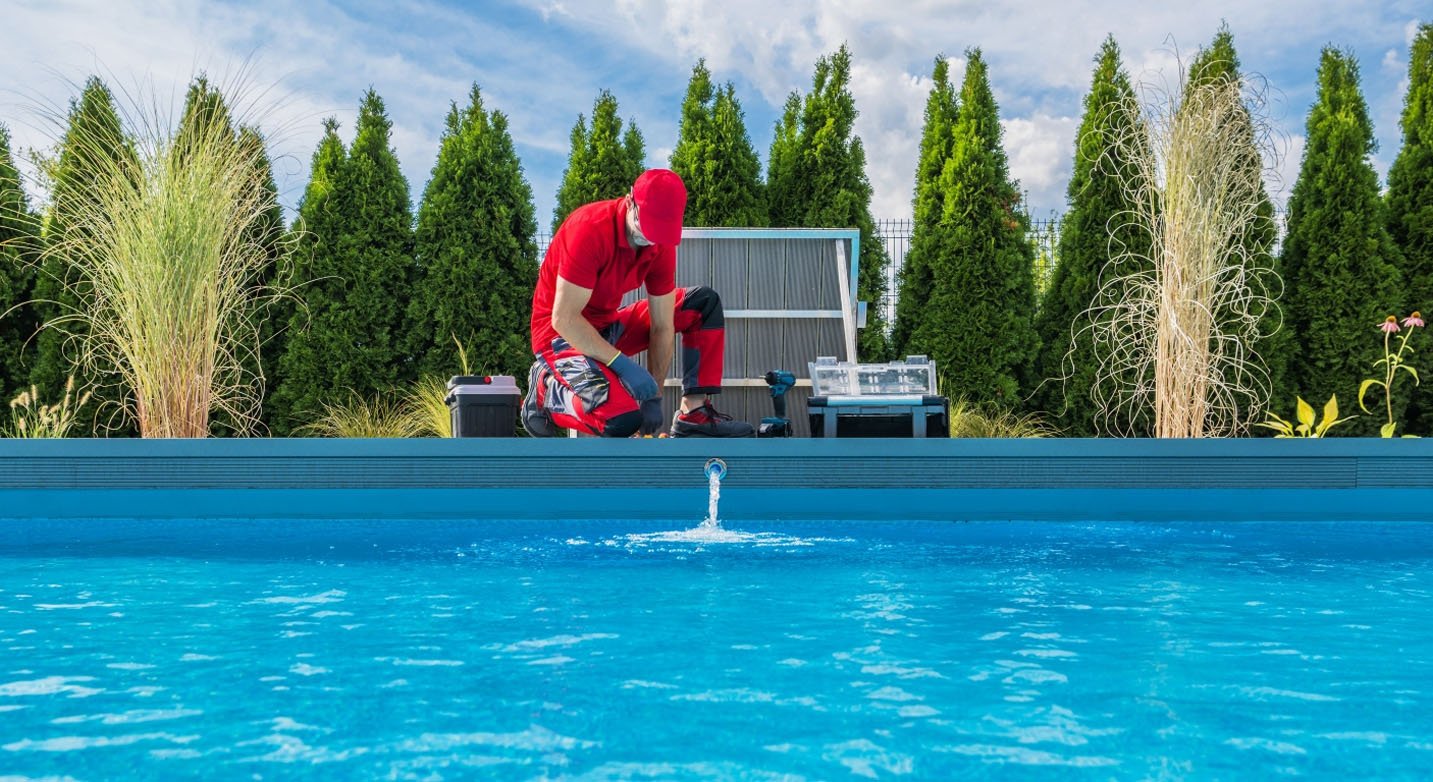
A swimming pool is more than just a place to cool off during warm weather. It is a valuable investment that enhances the beauty, functionality, and overall value of a residential or commercial property. Whether used for recreation, exercise, family gatherings, or relaxation, a pool delivers years of enjoyment when it is cared for properly. However, maintaining a swimming pool involves much more than occasionally removing leaves or adding chlorine. Every component of the pool, including the water, filtration system, plumbing, pumps, heaters, and structural surfaces, requires regular attention to ensure everything operates efficiently. Without proper maintenance, small issues can quickly develop into costly repairs, unhealthy water conditions, and equipment failures that shorten the lifespan of the entire pool system.
Professional pool maintenance services provide a proactive approach to caring for swimming pools by combining routine cleaning, water testing, equipment inspections, and preventative maintenance into one complete service. Experienced technicians understand how every part of the pool works together and follow proven procedures that keep the water clean, equipment functioning properly, and the structure protected from unnecessary wear. Investing in routine maintenance helps property owners avoid expensive repairs while ensuring the pool remains ready for safe and enjoyable use throughout the year.
Why Routine Pool Maintenance Is Essential
Every swimming pool is exposed to environmental conditions that constantly affect water quality and equipment performance. Wind carries dust, pollen, leaves, insects, and debris into the water every day, while swimmers introduce body oils, sunscreen, cosmetics, and other contaminants that gradually change the chemical balance. Rainfall, sunlight, fluctuating temperatures, and changing seasons also influence water chemistry and place additional demands on the filtration system.
Without consistent maintenance, these contaminants accumulate and create conditions that encourage algae growth, cloudy water, unpleasant odors, bacteria, staining, and mineral deposits. Dirty water also forces pumps and filters to work harder, increasing energy consumption while accelerating mechanical wear. Routine maintenance eliminates these problems before they become serious, allowing the entire pool system to operate more efficiently while providing a healthier swimming environment.
Professional technicians follow scheduled maintenance plans that include cleaning, testing, equipment inspections, and preventative servicing. This consistent attention keeps every component functioning properly while reducing long-term operating costs and extending the lifespan of the pool.
Water Chemistry Is the Foundation of a Healthy Pool
Balanced water chemistry is one of the most important factors in maintaining a swimming pool. Proper chemical levels protect swimmers, preserve equipment, and maintain crystal-clear water that is safe for daily use. During every maintenance visit, technicians test chlorine, pH, alkalinity, calcium hardness, cyanuric acid, and other essential water quality indicators.
If chemical levels become unbalanced, numerous problems may develop. Low sanitizer levels encourage algae and bacteria growth, while excessive chlorine can irritate skin and eyes. Improper pH levels reduce sanitizer effectiveness, increase corrosion, damage pool surfaces, and contribute to scale formation inside plumbing and filtration equipment.Professional water testing ensures chemicals are adjusted accurately rather than relying on guesswork. Maintaining proper balance protects pumps, heaters, filters, plumbing lines, and pool finishes while creating a more comfortable swimming experience for everyone using the pool.
Comprehensive Cleaning Improves Pool Performance
Keeping a pool visually clean requires much more than removing floating leaves from the surface. Professional cleaning involves a detailed process designed to eliminate contaminants before they affect water quality or equipment performance.Technicians begin by skimming floating debris before vacuuming the pool floor to remove dirt and sediment that settle beneath the water. Walls, steps, corners, and waterline tiles are brushed thoroughly to remove algae, calcium deposits, and organic buildup that can stain surfaces over time.
Skimmer baskets and pump strainers are emptied regularly to maintain unrestricted water circulation, while filters are inspected and cleaned according to manufacturer recommendations. Removing debris before it enters the filtration system reduces strain on mechanical equipment and improves overall circulation efficiency.Professional cleaning also provides opportunities to inspect visible surfaces for cracks, damaged tiles, loose coping, or other structural concerns that may require future attention.
Equipment Maintenance Protects Your Investment
Every swimming pool depends on reliable mechanical equipment to circulate, filter, heat, and sanitize the water. Pumps, filters, heaters, chlorinators, automation systems, valves, plumbing, timers, and electrical components all require regular inspections to maintain efficient performance.
Professional technicians examine equipment for leaks, vibration, unusual noises, clogged filters, worn seals, damaged fittings, declining water pressure, and electrical concerns that could affect operation. Small mechanical issues discovered during routine maintenance are often inexpensive to repair compared to major equipment failures that develop when problems remain unnoticed.
Preventative servicing includes cleaning filters, inspecting motors, lubricating moving parts where required, verifying water flow, checking pressure gauges, and confirming proper system operation. These inspections improve energy efficiency while extending equipment lifespan and reducing emergency repair costs.
Preventative Maintenance Saves Money
One of the greatest advantages of professional pool care is preventing expensive repairs before they occur. Minor issues such as small plumbing leaks, loose fittings, damaged seals, or declining pump performance often develop gradually and remain unnoticed until major failures occur.
Routine inspections allow technicians to identify these developing concerns early, minimizing repair costs while avoiding lengthy equipment downtime. Preventative maintenance also protects expensive structural components by identifying cracks, deteriorating grout, damaged tiles, and water loss before larger restoration projects become necessary.Property owners who follow consistent maintenance schedules generally experience fewer emergency repairs, lower operating costs, improved equipment reliability, and longer overall pool lifespan.
Seasonal Maintenance Supports Year-Round Performance
Swimming pools require different maintenance procedures throughout the year depending on weather conditions and usage patterns. Seasonal care helps prepare the pool for heavy summer use while protecting equipment during cooler months or periods of reduced activity.
Spring maintenance typically includes detailed cleaning, equipment startup, water balancing, and inspection of all circulation systems before swimming begins. During the active season, technicians maintain water quality, clean surfaces, inspect equipment, and perform preventative servicing on a regular schedule.As the season changes, winterization procedures protect plumbing, pumps, heaters, and filters from freezing temperatures while preserving water quality during periods of inactivity. Seasonal maintenance reduces wear on equipment and ensures the pool remains ready whenever it is needed again.
Choosing the Right Pool Maintenance Provider
Selecting experienced professionals ensures every aspect of pool care is handled correctly. Qualified technicians possess the training, equipment, and technical knowledge necessary to maintain water chemistry, mechanical systems, structural surfaces, and safety equipment according to industry standards. Reliable service providers perform detailed inspections, maintain consistent schedules, communicate clearly with property owners, and recommend practical solutions that improve long-term pool performance. Their expertise allows potential problems to be identified before they become expensive repairs while providing peace of mind that every component is receiving professional attention. For expert inspections, cleaning, equipment servicing, water balancing, repairs, and pool maintenance, professional technicians provide dependable solutions designed to keep every swimming pool operating efficiently throughout the year.
Conclusion
A swimming pool represents a significant investment that deserves consistent professional care. Routine cleaning, balanced water chemistry, equipment inspections, preventative servicing, and seasonal maintenance all contribute to healthier water, lower operating costs, improved energy efficiency, and longer equipment lifespan. Investing in professional pool maintenance allows property owners to avoid unexpected repairs while preserving the appearance, safety, and functionality of the entire pool system.
Rather than waiting until equipment fails or water quality declines, proactive maintenance provides lasting protection that benefits every part of the swimming pool. With experienced technicians performing regular inspections and preventative care, pool maintenance becomes one of the most effective ways to maximize the value of a swimming pool while ensuring years of safe, clean, and enjoyable swimming experiences.
