
You do not need to be a diver to explore Fiji’s underwater world. A mask, fins, and a snorkel are all it takes. This guide covers the best regions, what you will see, and how to plan your trip. By the end, you will know exactly where and when to go.
Why Fiji Is a Snorkeler’s Paradise
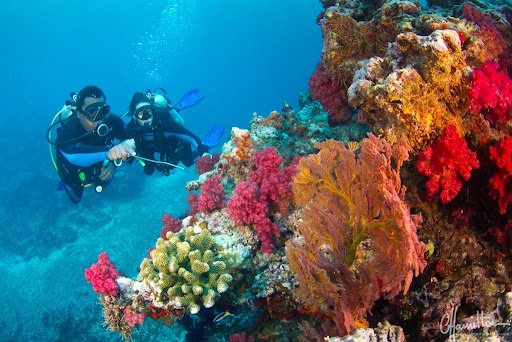
Fiji earned the title of Soft Coral Capital of the World. Its reefs glow with color you rarely see elsewhere. Best of all, much of it sits just below the surface.
The country spans more than 300 tropical islands. Warm water and clear visibility welcome snorkelers all year. Many reefs start right off the beach.
You share the water with incredible marine life. Reefs here support over 1,500 fish species. Turtles, rays, and reef sharks add to the magic.
What You Will See Underwater
Fiji’s reefs burst with life and color. Even a short swim reveals a busy ecosystem. The variety surprises most first-time visitors.
Common sightings include:
- Vivid soft corals in pink, purple, and orange
- Clownfish, angelfish, and butterflyfish
- Green sea turtles grazing on the reef
- Giant clams with rainbow-colored lips
- Reef sharks cruising the shallows
- Seasonal manta rays in certain channels
The soft corals are the real showstoppers. They sway gently in the current. When the sun hits them, the colors seem to glow.
The Best Regions to Snorkel
Fiji offers snorkeling across many island groups. Each region has its own character. Knowing them helps you plan your trip.
The Coral Coast and Beqa Lagoon
This stretch of Viti Levu’s south coast is easy to reach. Beqa Lagoon sits within one of the world’s largest barrier reefs. Shallow gardens here teem with coral and fish.
The Mamanuca Islands
These islands lie a short boat ride from Nadi. Calm, clear lagoons make them ideal for beginners. Many resorts offer reefs right off the sand.
The Yasawa Islands
The Yasawas are famous for clear lagoons and reef life. Some spots offer reef shark snorkeling. Manta rays visit certain channels in season.
Taveuni and the Rainbow Reef
Taveuni is known as Fiji’s Garden Island. Its Rainbow Reef ranks among the world’s best soft coral sites. Currents here feed vivid, healthy coral.
Shore Snorkeling Versus Boat Trips
Fiji offers two main ways to snorkel. Each suits a different kind of traveler. Many visitors enjoy both.
Shore snorkeling is simple and free. You walk in from the beach and explore nearby reefs. This works best at mid to high tide.
Boat trips reach the outer reefs. These sites often hold richer coral and bigger marine life. A local guide adds safety and knowledge.
Combining a beach base with boat trips is a great approach. A snorkeling-focused stay like snorkeling in Fiji puts reefs at your doorstep and outer sites a short ride away. That mix gives you the best of both worlds.
Snorkeling for Families
Fiji is a wonderful place for family snorkeling. Calm lagoons suit children and beginners. The warm water makes long sessions easy.
The Mamanuca and Yasawa Islands shine for families. Many resorts offer gentle reefs right off the beach. Kids can spot fish in waist-deep water.
Always supervise young snorkelers closely. Life jackets add safety and confidence. With care, the whole family can enjoy the reef.
Do You Need Any Experience?
Snorkeling needs no certification or training. Anyone comfortable in water can enjoy it. This makes it perfect for all ages.
Basic swimming skills are enough to start. A simple briefing covers mask and fin use. Most resorts provide gear and guidance.
Nervous beginners can start in calm, shallow water. A float vest helps you relax and breathe. Confidence builds quickly with a little practice.
Best Time for Snorkeling in Fiji
Fiji offers great snorkeling all year. Water stays warm, around 79 degrees Fahrenheit. You can swim for hours without feeling cold.
The drier months, May to October, bring calmer seas. Visibility tends to peak during this window. This is the most popular time to visit.
Some wildlife follows a season. Manta rays gather in certain channels from May to October. Plan around them if they top your list.
Responsible Snorkeling Tips
Fiji’s reefs are precious and fragile. Your choices help protect them. Good habits keep these waters healthy.
Follow these simple rules:
- Never touch or stand on coral
- Keep your fins clear of the reef
- Use only reef-safe sunscreen
- Do not chase or feed marine life
- Stay aware of currents and tides
- Always snorkel with a buddy
Small actions make a big difference. Healthy reefs mean better snorkeling for everyone. Respect the ocean, and it will reward you.
What to Pack for Snorkeling
Good preparation makes your day smoother. A few key items go a long way. Pack light but smart.
Bring a well-fitting mask and snorkel. Comfortable fins help you move with ease. A rash guard protects you from the sun.
Add reef-safe sunscreen and a hat for surface time. A waterproof camera captures the colors. Many resorts rent gear if you travel light.
Frequently Asked Questions
Do I need to know how to dive to snorkel in Fiji?
No. Snorkeling needs no certification or diving skills. You only need basic comfort in the water.
Where is the best snorkeling in Fiji?
Top spots include the Coral Coast, Mamanuca and Yasawa Islands, and Taveuni’s Rainbow Reef. Beqa Lagoon also offers excellent reef snorkeling. Each region has its own highlights.
Can beginners and kids snorkel safely?
Yes. Calm lagoons in the Mamanucas and Yasawas suit beginners. Children can snorkel with supervision and a float vest.
What will I see while snorkeling?
Expect vivid soft corals, tropical fish, and sea turtles. Reef sharks and giant clams are common too. Some areas offer seasonal manta rays.
When is the best time to snorkel in Fiji?
Snorkeling is great year-round in warm water. The dry season, May to October, brings calm seas and clear visibility. Manta season also falls in this window.
Is snorkeling free in Fiji?
Shore snorkeling from the beach is often free. Boat trips to outer reefs carry a fee. Many resorts include snorkeling gear in your stay.
Final Thoughts
Snorkeling in Fiji opens up a world of color and life. You can float over soft coral gardens and swim beside turtles and fish. With warm water year-round and reefs for every level, it suits everyone. Pick your region, respect the reef, and get ready for an underwater adventure to remember.