
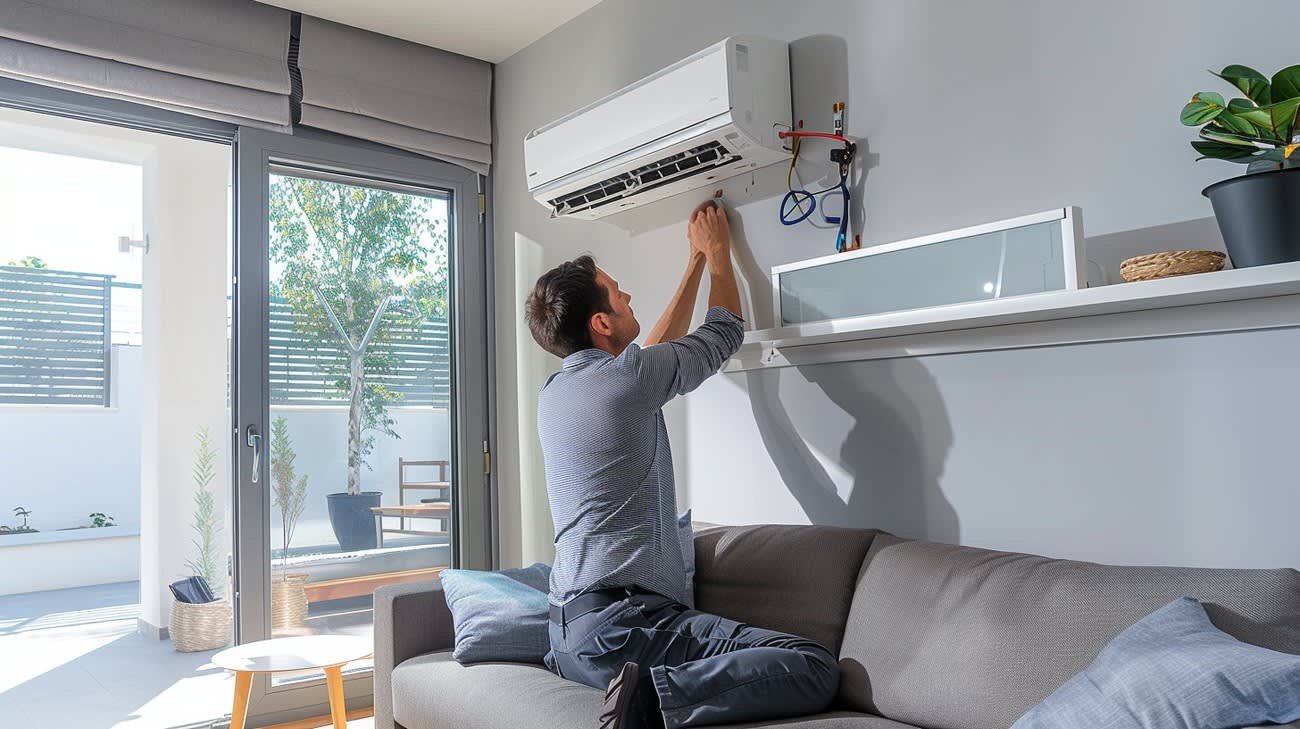
Modern heating and cooling solutions have evolved significantly, offering homeowners and businesses more efficient ways to maintain comfortable indoor environments. Traditional HVAC systems often require extensive ductwork, which can be expensive to install, difficult to maintain, and inefficient in certain buildings. A ductless system provides an effective alternative by delivering targeted temperature control without the need for air ducts. These systems are becoming increasingly popular because they offer flexibility, energy savings, and improved indoor comfort.
A properly planned ductless system installation can transform the way a property manages heating and cooling needs. Whether upgrading an older property, adding climate control to a new space, or improving energy efficiency, ductless solutions provide practical advantages. Understanding how these systems work, their installation process, maintenance requirements, and long-term benefits can help property owners make informed decisions.
Understanding How Ductless Systems Work
A ductless heating and cooling system, often known as a mini-split system, is designed to provide conditioned air directly into individual rooms or zones. Unlike traditional central air systems that rely on networks of ducts to distribute air, ductless units use an outdoor compressor connected to one or more indoor air-handling units. These components work together through refrigerant lines and electrical connections to regulate indoor temperatures efficiently.
The indoor units are usually mounted on walls or ceilings and contain fans that distribute conditioned air throughout specific areas. Because each indoor unit operates independently, users can control temperatures in different rooms according to personal preferences. This zoning capability reduces unnecessary energy usage because unoccupied spaces do not need to be heated or cooled continuously.
One of the biggest advantages of ductless technology is its ability to eliminate energy losses commonly associated with duct systems. Poorly sealed or aging ducts can allow conditioned air to escape before reaching living areas, reducing overall efficiency. By delivering air directly into the desired space, ductless systems provide more consistent performance and improved comfort.
Why Many Property Owners Choose Ductless Solutions
There are several reasons why ductless systems have become a preferred option for many residential and commercial applications. One major advantage is installation flexibility. Since these systems do not require extensive ductwork, they can be installed in buildings where traditional HVAC systems may not be practical. Older homes, additions, garages, offices, and renovated spaces can benefit from this type of climate control solution.
Energy efficiency is another important factor. Ductless systems allow users to adjust temperatures in individual zones rather than conditioning the entire building at once. This targeted approach reduces wasted energy and can contribute to lower monthly utility costs. Many modern systems are designed with advanced technology that automatically adjusts performance based on indoor conditions.
Improved air quality is also a significant benefit. Traditional duct systems can collect dust, allergens, and debris over time if they are not properly maintained. Since ductless systems do not rely on air ducts, they reduce the risk of contaminants circulating throughout the property. Many models also include advanced filtration features that help maintain cleaner indoor air.Additionally, ductless systems operate quietly compared to many conventional heating and cooling systems. Their efficient design minimizes operational noise, creating a more comfortable indoor environment.
Preparing for a Successful Installation Process
Proper planning is essential for achieving the best results from a ductless system. Before installation begins, professionals typically evaluate the size, layout, insulation level, and cooling or heating requirements of the property. This assessment helps determine the appropriate system capacity and the best placement for indoor and outdoor components.
Choosing the correct system size is extremely important. A unit that is too small may struggle to maintain comfortable temperatures, while an oversized system may cycle on and off frequently, reducing efficiency and increasing wear. Professional calculations help ensure that the selected equipment matches the specific needs of the space.The placement of indoor units also affects performance. Units should be positioned where air can circulate effectively without being blocked by furniture, walls, or other obstacles. Outdoor components require proper ventilation and should be installed in a location protected from excessive debris or environmental damage.
Electrical requirements, refrigerant line routes, and drainage considerations must also be reviewed before installation begins. Careful preparation reduces complications and ensures that the system operates reliably after completion.The actual installation process involves several important steps that require technical knowledge and specialized tools. The first step is mounting the indoor air-handling units in selected locations. Technicians secure the units properly to ensure stability and optimal airflow.
Next, a small opening is created in the wall to connect the indoor unit with the outdoor compressor. Refrigerant lines, electrical cables, and drainage pipes are carefully routed through this connection point. Unlike traditional HVAC installations, this process requires minimal structural modification.
The outdoor condenser unit is then positioned and connected to the indoor components. Technicians ensure that refrigerant levels are correct and that all electrical connections meet safety standards. Once installation is complete, the system is tested to confirm proper operation.A professional ductless system installation requires attention to detail because incorrect setup can affect efficiency, performance, and equipment lifespan. Proper installation ensures that the system provides reliable heating and cooling while minimizing future maintenance issues.
Advantages of Professional Installation Services
Although some property owners may consider installing systems themselves, professional installation offers several important benefits. Experienced technicians understand equipment specifications, safety requirements, and manufacturer guidelines. Their expertise helps prevent common installation mistakes that could reduce system performance.
Professionals also have the tools required for accurate measurements, refrigerant handling, electrical connections, and system testing. This ensures that every component functions correctly from the beginning. Improper installation can result in reduced efficiency, increased energy consumption, and premature equipment failure.Another advantage of professional service is access to expert recommendations. Technicians can suggest the most suitable system design based on property size, usage patterns, and comfort preferences. They can also explain operating features and maintenance requirements to help owners maximize their investment.
A quality installation creates a strong foundation for long-term performance. When equipment is installed correctly, it typically operates more efficiently and requires fewer repairs throughout its service life.Regular maintenance plays an important role in keeping ductless systems efficient and reliable. Although these systems require less maintenance than many traditional HVAC options, they still need periodic care to operate effectively.
Indoor filters should be cleaned or replaced regularly to maintain good airflow and indoor air quality. Dirty filters force the system to work harder, reducing efficiency and increasing energy consumption. Keeping indoor units clean also helps prevent dust accumulation.
Outdoor units should be inspected periodically to ensure that airflow is not restricted by leaves, dirt, or other debris. Maintaining clear space around the outdoor component allows proper heat exchange and improves performance.Professional inspections are also recommended to identify potential issues before they become major problems. Technicians can check refrigerant levels, electrical connections, drainage systems, and overall system operation. Preventive maintenance helps extend equipment life and reduces unexpected repair expenses.
Common Mistakes to Avoid
Several mistakes can reduce the effectiveness of a ductless system. One common issue is selecting the wrong system size. As mentioned earlier, proper sizing is essential for efficient operation and consistent comfort.
Another mistake is poor placement of indoor units. Installing units in unsuitable locations can create uneven temperatures and reduce airflow effectiveness. Proper planning ensures that conditioned air reaches the intended areas.
Skipping regular maintenance is another problem that can shorten system lifespan. Even efficient equipment requires routine attention to continue operating at peak performance. Ignoring maintenance can lead to reduced efficiency, unpleasant odors, and mechanical problems.Attempting improper repairs without technical knowledge can also create additional damage. When issues arise, professional evaluation is usually the safest and most effective solution.
Final Thoughts on Choosing the Right Cooling and Heating Solution
Ductless systems installation offers a flexible, efficient, and convenient approach to indoor climate control. Their ability to provide targeted heating and cooling without traditional ductwork makes them suitable for a wide range of applications. From improved energy efficiency to enhanced comfort and easier installation, these systems provide numerous benefits for modern properties.
Investing in a properly planned and professionally completed ductless system installation ensures reliable performance and long-term value. Careful equipment selection, correct installation methods, and regular maintenance all contribute to maximizing system efficiency.
As energy costs continue to rise and homeowners seek smarter solutions, ductless technology remains an excellent option for achieving comfortable indoor environments. With the right approach and proper care, these systems can provide dependable temperature control while reducing unnecessary energy waste for many years.
