
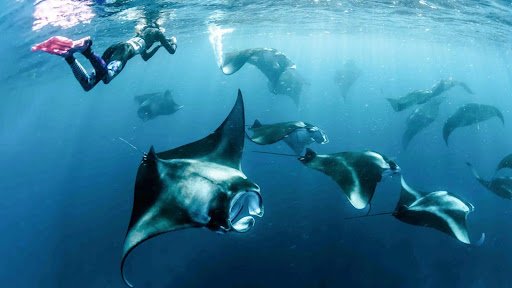
Meeting a manta ray underwater stays with you forever. The Maldives makes that moment possible like nowhere else on earth. This guide walks you through a real manta dive from start to finish. You will learn what to expect, how to prepare, and how to make the encounter unforgettable.
A Marine Encounter Like No Other
Some dives you forget. A manta dive is not one of them. The first time a ray glides overhead, time seems to slow down.
These animals carry a wingspan of up to 5 meters. Yet they move with quiet, hypnotic grace. Their size surprises almost every first-time diver.
The Maldives holds the largest known population of reef mantas. That fact alone draws divers from across the globe. Few destinations offer such reliable, close encounters.
Before You Ever Get in the Water
Preparation shapes the whole experience. A good dive starts long before you descend.
Choosing Your Trip
Pick an operator with real manta knowledge. Local guides track the rays and read the currents. Their experience puts you in the right spot at the right time.
Checking Your Gear
Bring a well-fitted mask and your own dive computer. Test your equipment the day before. Small comfort issues feel bigger once you are underwater.
Listening to the Briefing
Every trip starts with a guide briefing. They explain the site, the depth, and the rules. Pay close attention, since this keeps both you and the mantas safe.
The Journey to the Dive Site
The day often begins with an early boat ride. You cruise across calm blue water toward a manta point. The anticipation builds with every minute.
Guides watch the surface for signs of activity. They know which sites work best for the season. Some rides take ten minutes, others over an hour.
Use this time to relax and prepare. Set up your gear slowly and check your buddy. A calm start leads to a calm dive.
The Moment You Descend
Slipping below the surface brings instant quiet. You drop toward the reef and settle into position. Then the waiting begins.
At a cleaning station, you hold steady near the coral. Small fish dart around, ready to work. Soon a dark shape appears at the edge of your vision.
The manta approaches without fear. It circles slowly, almost curious. Many divers describe a strange sense of calm in that moment.
How Mantas Behave Around Divers
Understanding their behavior helps you enjoy the dive. Mantas are gentle, smart, and often playful.
At cleaning stations, they hover above coral for a spa session. Cleaner fish remove parasites from their skin and gills. The manta may stay for several minutes if undisturbed.
While feeding, they open their mouths wide for plankton. They twist and somersault in slow, looping turns. Watching this feels like a silent underwater ballet.
The Golden Rule: Let the Manta Come to You
This single idea defines every great encounter. You never chase a manta ray. You stay still and let curiosity bring it close.
Sudden moves and loud bubbles scare them off. Calm breathing keeps them relaxed and nearby. The stiller you stay, the closer they often come.
Guides repeat this rule for good reason. Patience almost always beats effort underwater. The best moments come to those who wait.
Staying Safe and Respectful Underwater
Mantas are sensitive and protected animals. Your actions affect their comfort and safety. A few key habits protect them and improve your dive.
Keep these points in mind on every dive:
- Stay at least 3 meters away from the ray
- Never touch or ride a manta
- Do not block its swimming path
- Stay to the side of cleaning stations
- Exhale gently to avoid loud bubbles
- Keep your fins clear of the coral
These rules come from marine experts and researchers. They keep encounters natural and stress-free. Respect now protects these animals for the future.
Capturing the Memory
Many divers want photos of the moment. A few simple tips help you succeed.
Hold your camera steady and shoot upward. This frames the manta against the light. A wide-angle lens fits the whole animal in view.
Avoid flash in protected areas. Use natural light near the surface instead. Often a short video captures the grace far better than a still.
After the Dive
The feeling lingers long after you surface. Divers often talk about nothing else on the ride back. Cold drinks and shared stories fill the boat.
Some operators work with conservation groups. You may even help identify a manta by its unique spots. This small act adds real meaning to your trip.
Many divers chase this feeling across many atolls. Guided diving with manta ray in Maldives trips let you follow the rays from site to site. Each new encounter feels just as powerful as the first.
Who Can Enjoy a Manta Dive
This experience suits a wide range of divers. Many manta sites are shallow and calm.
Beginners with steady buoyancy can join most cleaning station dives. More advanced sites involve stronger currents. A reef hook helps you hold position there.
If you cannot dive, you can still take part. Mantas often feed near the surface. Snorkelers share many of the same magical moments.
Frequently Asked Questions
Is diving with manta rays safe for beginners?
Yes. Many manta cleaning stations are shallow and calm. Beginners with good buoyancy can enjoy them safely with a guide.
Will I definitely see a manta ray?
Sightings are never guaranteed in the wild. Still, the Maldives offers some of the highest success rates on earth. A good guide and season improve your odds.
How close will the manta get?
Mantas often pass just above divers who stay still. You should keep 3 meters away, but they may approach on their own. Never reach out to touch them.
Do I need special training?
Basic open water certification works for most sites. Good buoyancy control matters more than experience. Your guide will brief you before the dive.
What should I avoid doing underwater?
Never chase, touch, or block a manta ray. Avoid sudden moves and loud bubbles. These actions startle them and end the encounter.
Can I dive with mantas year-round?
Yes. Mantas appear across different atolls throughout the year. The right location simply shifts with the monsoon season.
Final Thoughts
Diving with manta rays in the Maldives is a moment every ocean lover should chase. Prepare well, stay calm, and let the ray lead the encounter. Respect the animal, and it may reward you with a close, unforgettable pass. One dive with these gentle giants, and you will understand why divers keep coming back.