
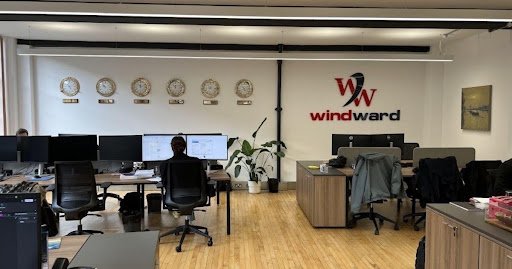
Job seekers form an opinion about a company within the first few minutes of walking through the door, often before they meet a single interviewer. If that space looks and feels like every other office, the opportunity to stand out is already gone. Strong candidates have options, and workplace environment plays a bigger role in their decision than most employers realise.
Building a workplace that attracts talent does not mean a costly renovation. Strategic signage throughout the office can do the heavy lifting, turning a plain space into one that communicates identity, stability and culture at every turn.
Signage Strategies That Help Attract Top Talent
Each of the ideas below targets a different point in the candidate journey, from the moment they arrive to the moment they sit down for an interview.
1. Make The Entrance Count
A candidate’s first impression forms at the door, so this is where a business gets the best return on a small investment. A door wrap on the main entrance or on interior office doors introduces the logo and brand colours immediately, giving visitors a clear signal about the business before any conversation starts.
This type of signage is inexpensive relative to its visual impact, since it only covers a defined surface area. Businesses that want a cohesive look often extend the same treatment to internal doors, so the branding feels continuous rather than limited to the lobby.
2. Put Glass Surfaces To Work
Glass tends to catch the eye long before a visitor reaches reception, which makes it a space worth using well. Logo window stickers on partitions, entryways or street-facing windows introduce the brand immediately, giving visitors something memorable to notice before they even step inside.
This type of signage is low-cost relative to its visibility, since it covers surfaces that already exist and simply need to be used. Businesses that want a joined-up look often apply it across multiple glass panels, so the branding feels consistent rather than limited to one window.
3. Add Depth At Reception

Reception is where visitors form their clearest sense of a company’s scale, which makes the visual impression here especially important. 3d acrylic signs behind the desk or on a feature wall introduce depth and shadow the eye naturally picks up on, giving visitors a stronger read on the business before a word is exchanged.
This type of signage is a worthwhile investment relative to its lifespan, since it holds up for years rather than needing regular replacement. Businesses that want a polished look often carry the same finish through reception into nearby spaces, so the quality feels deliberate rather than limited to one wall.
4. Display The Company’s Values
Culture is rarely absorbed from a handbook, but it is absorbed from the spaces people walk through every day. Vinyl lettering or a designed feature wall introduces the mission statement clearly, giving visitors and staff a message they take in without needing to search for it.
This type of signage is effective relative to its simplicity, since it only requires a stretch of wall to make an impact. Businesses that want the message to stick often place it in kitchens or break rooms, so the values feel lived-in rather than limited to a poster near the entrance.
5. Recognise People, Not Just The Brand
Logos and taglines can only say so much, but recognition boards say something about the people behind them. A board highlighting team wins or work anniversaries introduces a personal layer to the space, giving visitors a clearer picture of what it is actually like to work there.
This type of signage is meaningful relative to its cost, since it requires little more than photos and short write-ups to make an impact. Businesses that want this to land often place boards near entrances or break areas, so the recognition feels visible rather than limited to an internal newsletter.
6. Extend Branding Into Meeting Spaces

Meeting rooms often carry more weight than they get credit for, since this is where a final impression tends to form. Frosted film detailing or an etched logo on glass introduces a quiet layer of branding, giving visitors a sense of consistency right at the moment a decision is being made.
This type of signage is worthwhile relative to its subtlety, since a small detail can carry as much weight as a larger display. Businesses that want this consistency to hold often apply the same finish across every meeting room, so the branding feels uniform rather than limited to one space.
7. Guide People With Purpose
How easily someone moves through a building shapes their overall impression just as much as what they see on the walls. Floor labels and room directories introduce a sense of order immediately, giving visitors a smooth path rather than a confusing one.
This type of signage is practical relative to its impact, since consistent fonts and icons are simple to apply throughout a building. Businesses that want a seamless experience often extend the same wayfinding system into every corridor, so the ease feels built-in rather than limited to the entrance.
Turning Signage Into A Recruitment Advantage
None of these signage strategies require a full office redesign, yet each one shapes how a candidate perceives the company before an interview even begins. A strong entrance, branded glass, a well-built reception area and consistent messaging throughout the building all work together to tell candidates who the company is and what it stands for.
For businesses competing for the same pool of talent, a workplace that visibly reflects its culture and values gives candidates one more reason to choose that offer over another. Signage will not replace a competitive package or a strong interview process, but it can be the detail that tips a close decision in a company’s favour.