
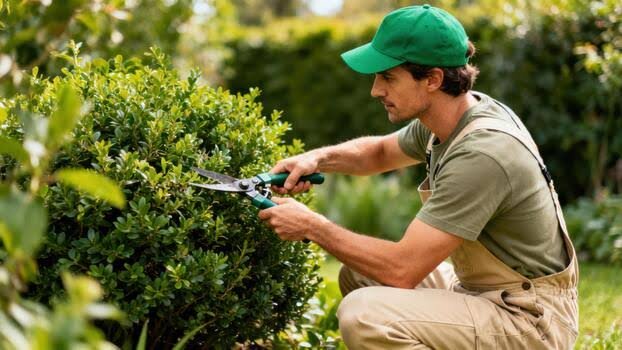
A mature tree can transform a modest London garden. It offers shade during warm weather, softens views of neighbouring buildings and provides seasonal interest that hard landscaping cannot reproduce. In Leyton, where homes, small courtyards and shared outdoor spaces often sit close together, the same tree may also create practical questions. Lower branches can obstruct paths, dense growth can affect usable space, and maintenance access may be limited by fences or narrow side passages.
Before arranging work, a homeowner should understand what the tree actually needs. A tree surgeon Leyton residents consult can assess its condition, explain suitable options and identify where cutting would be unnecessary or harmful. The most effective plan begins with the specific site rather than a general instruction to make the tree smaller.
Separate Everyday Inconvenience From Genuine Risk
Not every branch that extends over a path is dangerous, and not every large tree threatens nearby buildings. A useful first step is to describe the issue precisely. Does foliage brush against people using an entrance? Is a branch interfering with a gutter? Has a limb broken, or has the tree’s appearance changed noticeably after a storm? These situations may require different responses.
A professional assessment can consider visible defects, canopy structure and the location of people or property beneath the tree. Where a significant concern exists, additional investigation may be appropriate. Decisions should be based on evidence and the likely consequences of a problem rather than assumptions drawn from a tree’s size alone.
Understand Common Pruning Options
Selective pruning can address a defined issue while preserving the overall form of a healthy tree. Crown lifting may create more clearance beneath lower branches. Targeted reduction can sometimes manage a particular limb that conflicts with a structure. Deadwood removal may be considered where dead branches create an unacceptable risk in a frequently used area.
Each treatment has limits. Removing too much foliage can reduce the tree’s capacity to produce energy, while large cuts may create lasting wounds and encourage undesirable regrowth in some species. A competent specialist should explain why a technique is appropriate, how much material would be removed and what the tree is likely to look like afterwards.
Check Whether the Tree Is Protected
Trees may be covered by Tree Preservation Orders or located within conservation areas, which can affect the work permitted. Property owners in Leyton should check the relevant status with the local planning authority before authorising pruning or removal. The need for consent or notice depends on the circumstances, and private ownership does not automatically remove those obligations.
Wildlife protections are another important consideration. Active bird nests and protected species can affect how and when work proceeds. Planning checks before booking a contractor can reduce delays and help avoid damage to the wider garden environment.
Plan for Narrow Access and Nearby Buildings
Tree work in an urban garden can be technically demanding even when the tree is not especially tall. Branches may extend over roofs, sheds, greenhouses or neighbouring fences. Equipment may need to pass through a narrow side gate, and there may be little room to place cut material safely.
Discuss access arrangements before the work starts. A contractor should explain how branches will be controlled or lowered, how vulnerable surfaces will be protected and whether an exclusion area is required. Homeowners can help by moving portable furniture and identifying underground services or fragile features that may not be obvious on arrival.
Ask for a Clear Written Specification
A useful quotation describes the tree, the proposed work and what is included in the price. It should be clear whether waste removal, site clearance and any necessary follow-up are covered. Phrases such as ‘cut back hard’ or ‘tidy up’ can mean different things to different people and may lead to disappointment.
When comparing tree surgery Leyton providers, look at relevant training, insurance, experience and safe working arrangements as well as cost. Ask how the contractor will decide which branches to remove and whether the work is consistent with recognised arboricultural practice. The willingness to recommend a smaller intervention can be a sign of sound professional judgment.
Think Carefully About Shade and Daylight
Shade is a common reason for requesting pruning, but a tree may not be the only factor affecting light. Nearby buildings, fences and the orientation of the garden can have a greater influence at certain times of day. Removing branches may therefore produce less improvement than expected.
A thoughtful plan considers the changing angle of sunlight and the tree’s other benefits, including privacy, cooling and habitat. If a particular seating area remains dark, moving furniture or adjusting surrounding planting may be more effective than extensive crown reduction. The objective should be a useful outdoor space without sacrificing a healthy tree unnecessarily.
Protect Roots During Garden Improvements
Tree health depends heavily on conditions below ground. Excavation, soil compaction, changes to drainage and the installation of paving can damage roots or restrict access to water and air. These impacts may take time to become visible in the canopy, so prevention is important.
Before installing a new patio, fence foundation or service trench, identify trees that could be affected. A suitable specialist can advise on root protection and whether the design needs adjustment. It is often easier to modify a construction plan before work begins than to address tree decline afterwards.
Manage Shared Boundaries Respectfully
Branches crossing property boundaries can create frustration when gardens are small. A neighbour may want more light or clearance, while the tree owner values screening and greenery. Open discussion about the specific problem can help both sides understand the practical options.
Legal rights and responsibilities can depend on the tree’s protection status and other circumstances. Avoid assuming that an overhanging branch may be cut in any manner or that access through a neighbouring property is automatically available. Where a disagreement cannot be resolved informally, appropriate professional or legal guidance may be useful.
Respond Sensibly After Storms
High winds can leave broken branches, hanging limbs or other visible changes. Residents can inspect from a safe distance, but should avoid standing beneath a damaged canopy or trying to remove large branches themselves. Where a tree appears unstable or presents an immediate hazard, keep people away and seek competent assistance.
Storm exposure does not automatically justify removing a healthy tree. A proportionate assessment can distinguish urgent defects from cosmetic damage and help determine whether pruning, monitoring or a more detailed investigation is required.
Keep a Record of Previous Work
A short maintenance history can be valuable when a tree has been pruned more than once. Record the date, reason for the work and any recommendations for future inspection. Photographs taken from a consistent position may help document changes in growth or condition.
There is no need to arrange major pruning on a fixed schedule simply because a year has passed. Trees respond differently to site conditions and past cuts. Regular observation and timely specialist advice are usually more useful than automatic heavy intervention.
Care for the Whole Garden Environment
Trees are part of a wider outdoor system that includes soil, planting, wildlife and the people who use the space. Good maintenance considers these relationships. Protecting the rooting area, avoiding unnecessary cuts and choosing appropriate new planting can all contribute to a healthier garden.
If a tree must eventually be replaced, consider the mature size and growing requirements of the new species. Selecting a tree suited to the available space may prevent future conflicts with walls, paths and neighbouring properties.
Choose Long-Term Health Over Quick Visual Changes
Effective tree maintenance in Leyton is about achieving a sensible balance between access, appearance and tree health. Clear objectives, legal checks and a well-defined scope of work help homeowners make decisions they can understand and maintain.
A mature tree is a valuable living feature, not simply an object to reshape. With careful assessment and appropriately targeted work, it can continue to enrich even a compact urban garden for years to come.