
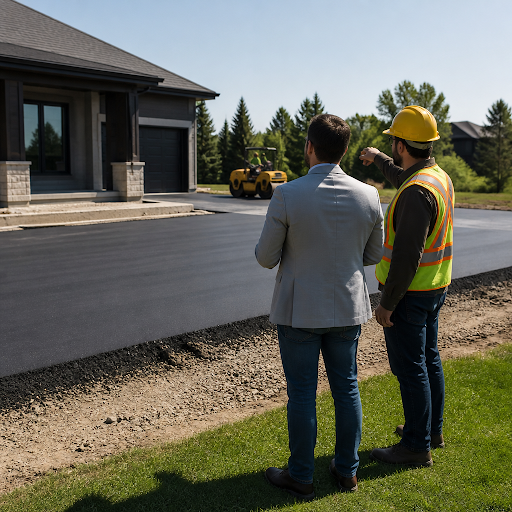
When it comes to improving your property’s curb appeal, functionality, and long-term value, few investments deliver as consistently as a well-planned driveway or pavement surface. Whether you’re building from scratch or replacing an aging surface, understanding the full scope of new asphalt construction is essential before committing to a project. From soil preparation to final sealing, every phase of the process plays a critical role in determining how long your surface will last and how well it will perform under daily use and seasonal stress.
Why Asphalt Remains a Top Choice for Residential Surfaces
Asphalt has been a preferred paving material for decades, and for good reason. It offers a combination of durability, flexibility, and cost-effectiveness that few other materials can match. Unlike concrete, asphalt can flex slightly under pressure, which makes it more resistant to cracking in regions that experience freeze-thaw cycles. It also heats up quickly in cold weather, helping snow and ice melt faster — a practical advantage for homeowners in northern climates.
Beyond performance, asphalt is also one of the most recyclable construction materials available. Old asphalt can be milled, reprocessed, and reused in new paving projects, making it an environmentally responsible choice. For homeowners who are conscious of both budget and environmental impact, this is a meaningful benefit that often tips the decision in asphalt’s favor.
The Foundation: Why Proper Base Preparation Matters
One of the most overlooked aspects of any asphalt project is what happens beneath the surface. A strong, stable base is the single most important factor in determining how long your asphalt will last. Without proper grading and compaction of the subbase, even the highest-quality asphalt mix will crack, sink, or develop ruts within just a few years.
Grading and Drainage Considerations
Before any asphalt is laid, the ground must be properly graded to ensure adequate water drainage. Standing water is one of asphalt’s greatest enemies — it seeps into small cracks, expands during freezing temperatures, and accelerates surface deterioration. A professional contractor will assess the natural slope of your property and engineer the surface to direct water away from structures and toward appropriate drainage points. This step is non-negotiable for any project that’s meant to last.
Aggregate Base Layers
Once grading is complete, a compacted aggregate base — typically crushed stone — is installed beneath the asphalt. The depth of this base layer depends on the expected load the surface will bear. A residential driveway used only by passenger vehicles requires a different base specification than a commercial parking lot or a surface that will support heavy trucks. Getting this calculation right is where professional expertise truly earns its value.
Understanding the Asphalt Mix and Installation Process
Not all asphalt is created equal. The mix used for your project will vary depending on climate, intended use, and local material availability. Hot mix asphalt (HMA) is the most common type used in residential construction. It is produced at high temperatures and must be laid and compacted quickly before it cools. The quality of the mix, the temperature at the time of installation, and the skill of the crew operating the paving equipment all directly affect the final result.
Thickness is another critical variable. A standard residential driveway typically requires a minimum of two to three inches of compacted asphalt over the prepared base. Thicker applications are recommended in areas with heavy vehicle traffic or extreme weather conditions. Cutting corners on thickness is a common way that low-cost contractors reduce their bids — and it’s a shortcut that homeowners almost always regret within a few years.
Cost Factors and Budgeting for Your Project
Budgeting accurately for an asphalt project requires understanding the variables that drive cost. Square footage is the most obvious factor, but it’s far from the only one. Site conditions, accessibility, the depth of base preparation required, and regional labor rates all play a role. According to detailed cost breakdowns from Bob Vila, homeowners can expect a wide range of pricing depending on these variables, making it essential to get multiple quotes and understand exactly what each one includes.
It’s also worth factoring in long-term maintenance costs when evaluating your budget. Asphalt requires periodic sealing — typically every three to five years — to protect the surface from UV damage, water infiltration, and oxidation. This ongoing maintenance is relatively affordable and dramatically extends the life of the surface, making it a worthwhile investment when calculated over the full lifespan of the driveway.
Comparing Asphalt to Paver Alternatives
While asphalt is an excellent choice for many homeowners, it’s worth understanding how it compares to other paving options. Concrete pavers, for example, offer a high-end aesthetic and exceptional durability, but they come with a significantly higher upfront cost. If you’re weighing your options, the benefits of professional paver installation for residential properties are worth reviewing to make a fully informed decision. Understanding the trade-offs between materials helps ensure you choose the surface that best fits your property, lifestyle, and budget.
A Trusted Resource for Asphalt Construction Guidance
For homeowners who want to go deeper into the technical and practical aspects of planning an asphalt project, working with an experienced contractor and accessing reliable educational resources is the best starting point. Asphalt Coatings Company has built a strong reputation for providing both expert services and transparent information to help property owners make confident decisions. Their comprehensive guide on New Asphalt Construction covers everything from site evaluation and material selection to installation best practices and post-project care — making it an invaluable resource for anyone preparing to invest in a new paved surface.
Post-Installation Care and Long-Term Maintenance
Once your new asphalt surface is installed, the first 30 days are critical. Fresh asphalt needs time to cure fully, and during this period it remains somewhat soft and susceptible to damage from heavy loads, sharp edges, and concentrated pressure points. Avoid parking in the same spot repeatedly, keep heavy equipment off the surface, and be cautious with kickstands, high heels, and similar point-load hazards.
After the curing period, a consistent maintenance routine will protect your investment for decades. Crack sealing should be addressed promptly whenever small fissures appear — waiting allows water to penetrate and expand the damage significantly. Sealcoating on a regular schedule preserves the surface’s flexibility and appearance while blocking the UV rays and petroleum-based chemicals that degrade asphalt over time.
Conclusion: Invest in the Right Foundation from the Start
New asphalt construction is one of the most practical and cost-effective ways to enhance your property’s functionality and visual appeal. But like any significant home improvement project, the quality of the outcome depends entirely on the quality of the planning and execution. By understanding the importance of proper base preparation, choosing the right mix and thickness, budgeting accurately, and committing to ongoing maintenance, homeowners can enjoy a durable, attractive asphalt surface that delivers reliable performance for 20 years or more. Take the time to research your options, ask the right questions, and partner with a contractor who brings both technical expertise and a commitment to doing the job right the first time.